Luxury streetwear labels leveraging DTG for limited-edition, high-detail graphic drops
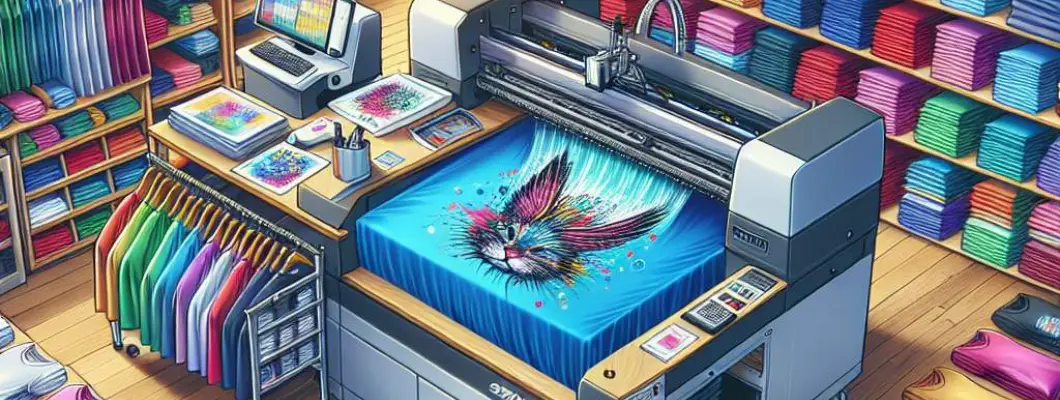
Luxury Streetwear Labels Leveraging DTG for Limited-Edition, High-Detail Graphic Drops
In recent years, the streetwear industry has experienced exponential growth, evolving from underground fashion movements to mainstream cultural phenomena. Among the driving forces behind this surge are luxury streetwear labels that are pushing creative boundaries by integrating cutting-edge printing technologies. One such innovative approach gaining momentum is the use of Direct-to-Garment (DTG) printing, which enables brands to produce limited-edition, high-detail graphic drops with unprecedented precision and vibrancy.
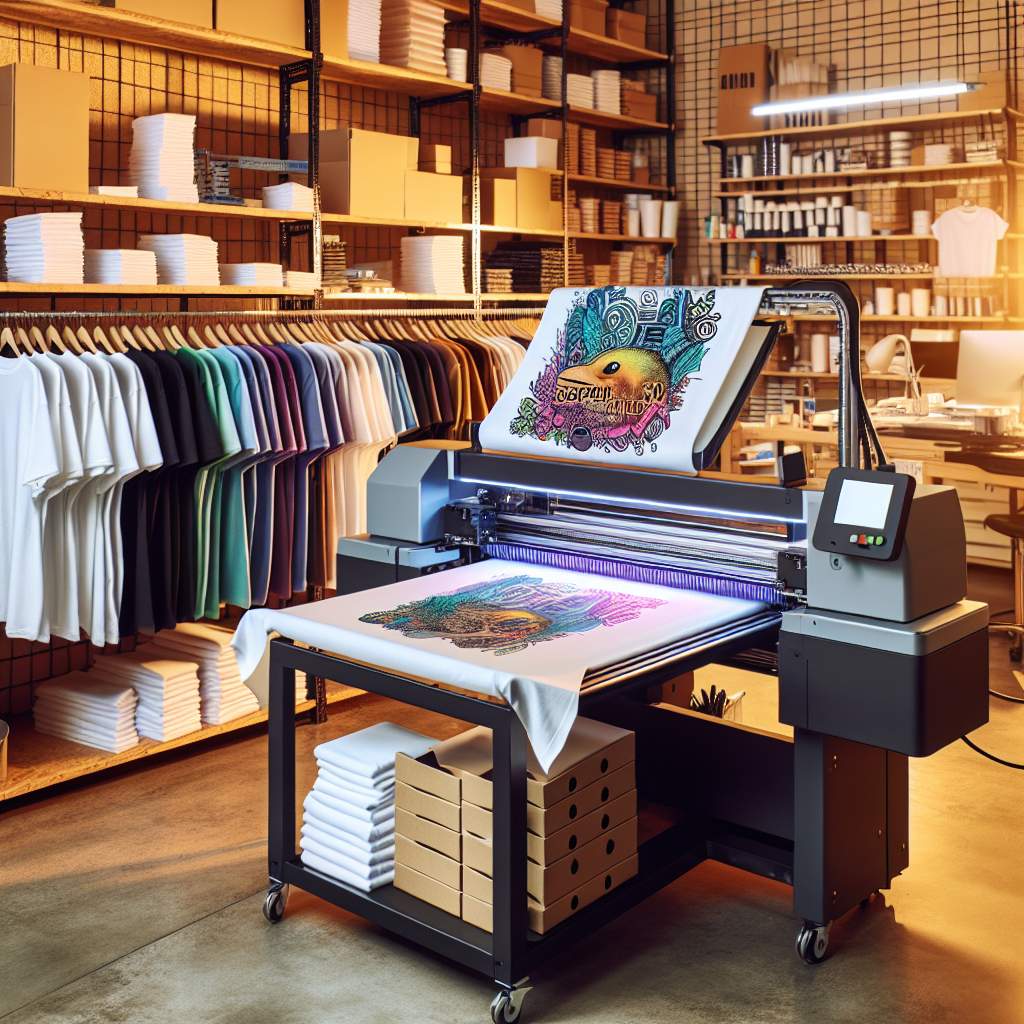
DTG printing, also known as digital garment printing, has revolutionized how designers bring their visions to life on apparel. Unlike traditional screen printing, DTG allows for intricate designs with a multitude of colors, gradients, and photographic images, all in a single print process. For luxury streetwear brands, this technology offers an opportunity to create unique, highly detailed graphics that stand out in a crowded marketplace. This ability to produce small runs or one-of-a-kind pieces aligns perfectly with the exclusivity that luxury brands strive for, giving consumers a sense of rarity and uniqueness with each drop.
Many high-end streetwear labels are now investing in DTG printers to elevate their design capabilities. For example, brands can now incorporate hyper-realistic images, elaborate patterns, and fine details that were once impossible or prohibitively expensive with traditional methods. This means more intricate artwork, detailed logos, and photographic imagery can be printed directly onto garments, resulting in products that satisfy the aesthetic expectations of a demanding, fashion-savvy audience.
One of the key advantages of DTG technology for luxury streetwear brands is its ability to facilitate rapid and flexible production. Limited-edition drops often require quick turnaround times to capitalize on market trends and maintain hype. With DTG, brands can prototype designs swiftly, modify artwork easily, and produce small batches without the need for costly screens or setup. This agility encourages creativity, allowing designers to experiment with complex graphics without the risk of wasted inventory or expensive setup fees.
Furthermore, DTG printing significantly reduces the environmental impact compared to traditional screen printing methods. It uses water-based inks, produces less waste, and requires fewer chemicals, aligning with the sustainability efforts many high-end brands are now embracing. This eco-friendly aspect appeals to conscious consumers who value brands that prioritize sustainability alongside style and exclusivity.
For luxury streetwear brands, limited-edition collections created with DTG also open up new avenues for storytelling and brand identity. Highly detailed graphics can depict cultural references, artistic collaborations, or bespoke artwork that resonate deeply with niche audiences. These exclusive drops often become highly collectible, fostering a sense of community and loyalty among consumers who crave individuality and artistic expression in their wardrobe.
In the competitive landscape of streetwear, limited-edition graphics are a powerful tool to generate hype and urgency. Quick-to-market DTG printing allows brands to release exclusive designs with minimal lead time, incentivizing consumers to act fast before the items sell out. This strategy not only boosts sales but also enhances brand prestige, as customers associate the scarcity of the drops with luxury status.
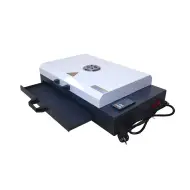
If you're interested in exploring how to incorporate DTG printing into your luxury streetwear label, consider partnering with experienced manufacturers who understand the nuances of high-detail printing. For instance, the A3 DTG Printer offers an advanced solution, enabling detailed graphics, vibrant colors, and consistent quality for small batch production. Investing in such technology can be a game-changer for brands looking to produce limited-edition collections that stand out in a saturated market.
As the intersection of fashion, art, and technology continues to evolve, luxury streetwear labels leveraging DTG are at the forefront of innovation. Their ability to produce high-detail, limited-edition graphic drops captures both the creative spirit of streetwear and the exclusivity prized in luxury markets. This fusion not only redefines how garments are made but also transforms consumer engagement, making each drop an event and every piece a prized possession.
In conclusion, the adoption of Direct-to-Garment printing technology by luxury streetwear brands signifies a new era of customization, exclusivity, and artistic expression. By embracing high-resolution graphics and rapid production cycles, these labels are crafting collections that resonate with today's consumers who seek authenticity and uniqueness. Whether it's through hyper-realistic images or intricate patterns, DTG offers endless possibilities for elevating streetwear to new heights of luxury and innovation.
Advanced Technical Insights & Application Analysis
Direct-to-Garment printing technology excels in achieving unmatched precision and vibrancy for streetwear brands specializing in small batch drops. One of its standout technical advantages lies in its advanced ink delivery systems, which ensure higher color fidelity and consistency across various fabric types. Unlike conventional methods that rely heavily on heat transfer or multi-step processes, DTG printers seamlessly deposit water-based inks directly onto textiles, creating photo-realistic and gradient-intensive prints without any pixelation. This makes them ideal for luxury brands aiming to produce high-detail graphics on limited-edition apparel, setting a new benchmark for exclusivity and quality in the competitive streetwear niche.
Environmental efficiency also defines the cutting-edge appeal of DTG technology, particularly when applied to limited-edition collections. By eliminating excess waste and relying on eco-friendly water-based inks, DTG addresses the growing demand for sustainable production methods among fashion-forward consumers. This environmental focus not only enhances a brand's reputation but also aligns with wider industry trends toward responsible manufacturing. Furthermore, streetwear brands leveraging small batch drops via DTG benefit from the system's minimal setup times and reduced operational costs, providing a scalable solution that supports both artistic experimentation and rapid prototyping.
For B2B applications, DTG printing offers excellent ROI by optimizing short-run production workflows. Since there’s no dependency on traditional screen creation or material preparation, DTG enables streetwear brands to achieve faster lead times and lower upfront costs for small batch drops. This agility is particularly valuable in high-stakes industries such as luxury apparel, where consumer demand often hinges on exclusivity and timing. By integrating DTG into their production pipeline, brands can execute multiple limited-edition launches within compressed timelines, ensuring market relevance while maximizing profitability.
Frequently Asked Questions
- How does DTG printing maintain high-detail accuracy on different fabric types?
DTG printers use advanced inkjet nozzles with variable droplet sizes, allowing them to adapt ink concentrations based on fabric material, such as cotton or polyester blends. This ensures optimal image sharpness and color vibrancy regardless of textile texture. - What makes DTG suitable for limited-edition streetwear collections?
Its ability to provide quick turnaround for small production batches, combined with photo-realistic detail reproduction, makes DTG ideal for creating exclusive, high-impact designs that resonate with fashion-savvy consumers. - Can DTG printing accommodate designs with complex gradients or photographic imagery?
Absolutely. Unlike traditional screen printing methods, DTG excels at reproducing intricate gradients and photographic detail using CMYK or extended gamut ink sets, ensuring flawless output. - Is DTG printing environmentally friendly for small batch production?
Yes. DTG employs water-based inks and avoids chemical-heavy processing, making it a sustainable choice for eco-conscious brands producing limited-edition drops. - What is the typical lifespan of a DTG printed garment?
DTG prints have excellent durability, particularly when paired with high-quality pre-treatment processes. Garments can retain their vibrancy and design integrity even after frequent washes.