Micro-factories gaining global reach through DTG Printer powered digital garment workflows
Are you struggling to scale your apparel business efficiently while maintaining quality? Have you wondered how micro-factories are expanding rapidly across the globe and what role digital garment workflows play in that growth? If so, you're not alone. The rise of **Direct-to-Garment (DTG) printers** and streamlined digital processes are transforming the way micro-factories operate, making global expansion more achievable than ever before. Understanding how DTG printer-powered workflows enable micro-factories to reach international markets could be the key to unlocking your brand's potential.
Imagine chatting with a friend who just started a small clothing label in their garage. They used to struggle with order delays, color inconsistencies, and limited production capacity. But after investing in a high-quality DTG printer and adopting digital garment workflows, they now produce custom t-shirts, hoodies, and designs on demand—rapidly fulfilling customer orders from anywhere in the world. This transition highlights how micro-factories utilize digital technology to scale, adapt quickly, and reach a global audience without the need for massive factories or supply chain complexities.
What Are Micro-factories, and Why Are They Changing the Apparel Industry?
Micro-factories are small, flexible manufacturing units that operate on a localized basis. They focus on rapid, small-batch production, often with minimal overhead. These factories are highly adaptable, enabling brands to quickly change designs, test new markets, and reduce inventory risks. In the context of digital garment workflows, micro-factories leverage technology to make on-demand production not just possible but also profitable.
Traditionally, apparel manufacturing relied on large, centralized factories that served mass markets. The problem? Long lead times, high inventory costs, and limited customization. Micro-factories disrupt this model by integrating digital tools like DTG printers, allowing for quick, high-quality printing with minimal waste. This approach aligns with current consumer trends favoring personalized, sustainable, and limited-run products.
The Power of DTG Printers in Digital Garment Workflows
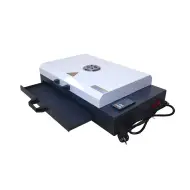
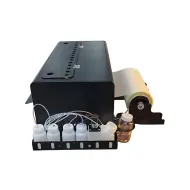
At the heart of these micro-factories are **DTG printers**—state-of-the-art digital textile printers capable of printing detailed, full-color designs directly onto garments. Unlike traditional screen printing, DTG allows for rapid customization with low setup costs. Here"s why DTG printers are essential:
- High precision and detail: Capture vibrant images or intricate logos.
- Fast turnaround: Turn around small orders quickly, sometimes in the same day.
- Low setup costs: No need for screen creation—simply upload design files.
- Eco-friendly process: Uses water-based inks with less impact on the environment.
- Versatile applications: Suitable for various textiles and garment types.
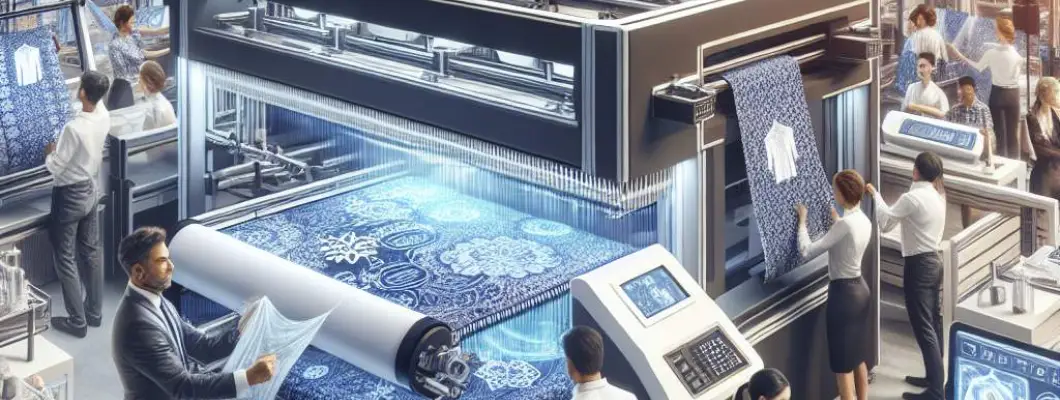
By integrating DTG printers into digital garment workflows, micro-factories can effortlessly produce personalized apparel at scale, fulfilling international orders with a high degree of efficiency. This technological edge means brands can respond to market trends swiftly, test new designs with limited runs, and reduce excess inventory. Adopting digital workflows and advanced printing technology positions micro-factories at the forefront of the industry revolution.
How Digital Garment Workflows Expand Global Reach
Digital workflows involve seamlessly connecting design, printing, and distribution processes through smart software. When combined with DTG printers, they enable micro-factories to operate virtually anywhere, breaking geographical barriers. How does this happen?
- Cloud-based design management: Upload designs once; print anywhere.
- Automated order processing: Integrate e-commerce platforms for real-time order fulfillment.
- Short lead times: Produce on demand, reducing waiting periods for customers.
- Supply chain flexibility: Use local suppliers and logistics for faster delivery.
- Customization at scale: Offer personalized products globally without scaling up machinery.
For example, a micro-factory in Europe can produce a custom hoodie for a customer in Japan within hours, thanks to digital workflows that synchronize design files, printing, and shipping. This agility allows brands to enter new markets with minimal risk and investment, revolutionizing how apparel reaches consumers worldwide. The ability to produce locally while serving global markets is a game-changer.
Key Benefits for Micro-factories Adopting Digital Textile Workflows
Transitioning to digital garment workflows using DTG printers offers multiple advantages:
- Reduced Inventory Costs: Only produce what"s ordered, minimizing storage expenses.
- Faster Time-to-Market: Shorter production cycles mean products can reach customers quickly.
- Enhanced Personalization: Meet increasing consumer demand for unique, custom apparel.
- Environmentally Sustainable: Low water and ink usage supports eco-conscious branding.
- Lower Entry Barriers: Small scale, low upfront costs make market entry easier for startups.
Many micro-factory owners report that embracing digital garment workflows allowed them to test new markets and respond rapidly to trends. They no longer need to forecast demand months in advance or carry large inventories—saving money and reducing waste. For brands aiming to expand beyond local markets, this approach unlocks endless opportunities.
Future Outlook: Micro-factories and Digital Innovation
The future of apparel manufacturing is digital, and micro-factories are positioned to lead this transformation. As technology advances, expect even faster, more detailed printing and smarter integration of AI-driven design tools, which will further enhance operational efficiency. Moreover, the continued reduction of costs in digital printing equipment will open doors for small entrepreneurs worldwide.
Global brands are already reaping the benefits of localized production hubs—faster delivery, better customization, and improved sustainability. Smaller players adopting this model can compete on innovation rather than sheer volume, creating a more dynamic and customer-centric fashion industry.
If you"re considering how to leverage technology for your apparel business, exploring options like DTG printers and digital garment workflows is crucial. Whether you"re a small startup or a growing micro-factory, these tools empower you to produce high-quality garments swiftly and cost-effectively, all while reaching a worldwide audience.
Frequently Asked Questions (FAQs)
1. How does a DTG printer differ from traditional printing methods?
DTG printers apply water-based inks directly onto textiles, allowing for high-resolution, full-color, and detailed designs without the need for screens or setup costs typical of screen printing. They are faster for short runs and suitable for personalized orders.
2. Can micro-factories produce different designs quickly?
Yes. Digital workflows and DTG printers enable rapid design changes without extra costs, making it easy to produce a variety of custom products in small batches, even in the same day.
3. Is investing in a DTG printer cost-effective for small businesses?
Absolutely. The initial investment is lower compared to traditional mass production equipment, and the ability to produce on demand reduces waste and inventory expenses, improving profitability over time.
4. How do digital garment workflows support international expansion?
They facilitate seamless design sharing, order processing, and local manufacturing, cutting delivery times and costs, and allowing brands to serve global markets efficiently.
5. What are the environmental benefits of digital garment workflows?
They use eco-friendly inks, reduce water and energy consumption, and minimize waste by producing only what is ordered, aligning with sustainability goals.
Exploring how micro-factories utilizing DTG printer-powered digital garment workflows are gaining global reach opens new doors for apparel brands worldwide. This innovative model offers flexibility, speed, and sustainability—making it a smart choice for those looking to stay ahead in today"s competitive market.