Sustainability push in textile industry turning dtg printer into eco-friendly alternative for small batch printing
Struggling to make your small batch printing more eco-friendly?
If you"re in the textile industry, you"ve probably wondered how to stay profitable while also reducing your environmental impact. Especially with small batch printing, traditional methods can be wasteful and energy-intensive. But what if there"s a way to shift towards a more sustainable approach? That"s where the recent push in eco-conscious technology, like DTG (Direct-to-Garment) printers, comes into play. These printers are evolving into eco-friendly alternatives, allowing small businesses to produce high-quality, sustainable garments with less waste and lower energy use.
Why is sustainability becoming so important in textile printing?
Changing consumer habits and demand
More customers are seeking environmentally responsible products. They want brands that align with their values. This shift is forcing textile companies to rethink their processes. Sustainable practices can influence purchasing decisions and enhance brand loyalty.
Regulations and environmental impact
Governments worldwide are tightening regulations on waste disposal, chemical use, and energy consumption. Companies that adopt eco-friendly technology now will avoid future penalties and fines. Plus, reducing chemical and water usage helps decrease pollution.
How DTG printers are turning eco-friendly for small batch printing
What is a DTG printer?
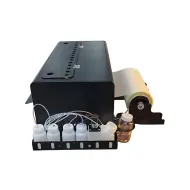
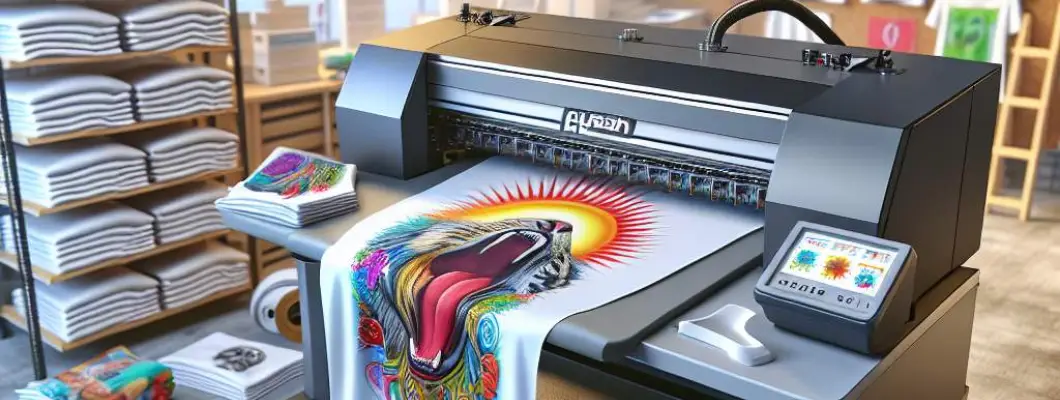
Direct-to-Garment (DTG) printers are a modern printing solution that applies ink directly onto textiles. Unlike traditional screen printing, DTG uses advanced inkjet technology. It allows for detailed designs, small orders, and rapid turnaround times.
Innovations making DTG more sustainable
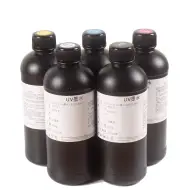
- Water-based inks: These inks are eco-friendly, non-toxic, and require less water in cleaning processes.
- Low-energy printing: Newer DTG models consume less power, cutting operational costs and carbon footprint.
- Minimal waste: Digital setup means less excess ink and fabric waste compared to screen printing.
- Recyclable and biodegradable consumables: Some suppliers offer sustainable inks and replacement parts that are easier to recycle.
Imagine chatting with your friend about switching to a green printing process. You"d both agree that adopting sustainable tech can save costs and boost your brand"s image. For small batch printing, these innovations mean you can produce high-quality, eco-conscious designs without breaking the bank.
The benefits of switching to eco-friendly DTG printing for small businesses
Cost-efficiency in the long run
While the initial investment might seem high, the savings on water, chemicals, and energy add up over time. Plus, fewer waste materials mean lower disposal costs.
Better quality and faster turnaround
Modern DTG printers produce vibrant, detailed prints quickly. So you can meet tight deadlines without sacrificing eco goals.
Enhanced brand image and customer loyalty
Eco-conscious consumers prefer brands that are transparent and responsible. Highlighting your sustainable practices can set you apart in a crowded market.
Choosing the right eco-friendly DTG printer
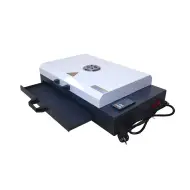
If you"re considering upgrading, check out options like the A3 DTG Printer. It offers excellent print quality, low energy consumption, and affordable maintenance—perfect for small batch production that cares about the environment.
Some quick tips to make your textile printing more sustainable
- Switch to eco-friendly inks: Look for water-based, biodegradable inks.
- Optimize your print designs: Minimize excess fabric waste with smarter layout planning.
- Invest in energy-efficient equipment: Newer DTG models are designed to save power.
- Recycle and reuse: Use recyclable packaging and parts where possible.
- Educate your team: Make sustainability a core value for everyone involved.
Think about it like upgrading your car to a hybrid — a small step for you, but a big win for the planet. Plus, your customers will see that you genuinely care about sustainability, which can boost your reputation.
FAQs about eco-friendly small batch textile printing
1. How much does it cost to switch to an eco-friendly DTG printer?
The initial investment varies based on models and features, but long-term savings on water, chemicals, and energy make it worth considering. Many small businesses find the ROI within a year.
2. Are eco-friendly inks as durable as traditional inks?
Yes. Modern water-based and biodegradable inks are designed to be just as durable, if not more, than traditional inks. Proper curing and printing techniques also enhance longevity.
3. Can I use eco-friendly technology with existing equipment?
Many upgrades involve replacing certain components or adding new features. Check compatibility with your current setup before investing.
4. How do eco-friendly DTG printers impact print quality?
They actually improve detail and vibrancy, thanks to advanced ink formulations and printing technology. Eco-conscious doesn't mean sacrificing quality.
5. What are the main challenges of switching to sustainable printing?
Initial costs, training, and suppliers of eco-friendly inks might be hurdles. However, these are outweighed by long-term benefits and customer demand for green products.
```