Sustainability shift in 2025: dtg printer and eco-friendly inks transforming custom clothing industry
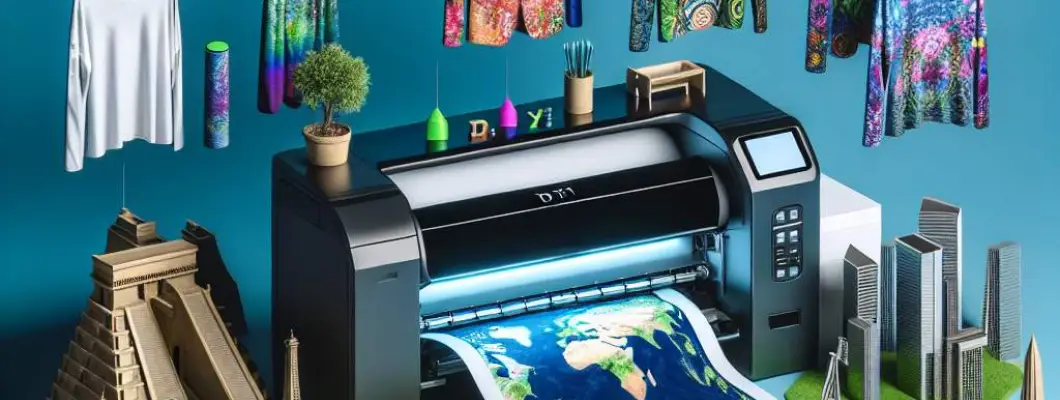
Are You Struggling to Keep Up With the Sustainability Shift in 2025?
Many brands and custom clothing businesses are wondering how to stay relevant in a rapidly changing eco-conscious market. The good news? The latest advancements in direct-to-garment (DTG) printing and eco-friendly inks are making it easier than ever to produce high-quality, sustainable apparel. If you"ve been thinking about upgrading your equipment or changing your inks, you"re not alone. This shift is happening now, and it"s transforming how we create custom clothing with less environmental impact.
Why Is Sustainability a Game-Changer for the Custom Clothing Industry?
Consumers today want more than just style—they"re demanding transparency and responsibility. Brands that embrace sustainability can build trust, attract loyal customers, and even qualify for eco-certifications. The industry"s move towards greener practices is driven by:
- Environmental concerns about pollution and waste
- Regulations pushing for stricter emission standards
- Growing awareness among consumers about eco-friendly products
- Competitive advantage for early adopters of sustainable technology
In fact, I recently chatted with a small boutique that switched to eco-friendly inks last year. They told me their sales increased because eco-conscious customers kept coming back, telling friends about their commitment to sustainability. This simple change created a noticeable impact. It"s clear that the industry"s success now depends on adopting sustainable practices.
How DTG Printers Are Leading the Sustainability Movement
More Than Just Faster and Better
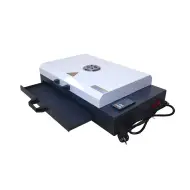
Digital direct-to-garment printers, especially models like the A3 DTG Printer, are at the forefront of eco-friendly production. They offer advantages like:
- Lower Waste: Precise printing reduces fabric waste and excess ink use.
- Fewer Chemicals: Modern DTG printers require less aggressive cleaning agents, minimizing chemical runoff.
- Energy Efficiency: Newer models consume less power during operation, reducing your carbon footprint.
- Faster Turnaround: They handle small batch runs efficiently, which cuts down on overproduction and inventory waste.
Plus, with direct-to-garment printing, you"re producing on-demand, meaning less stock sitting around unused. I saw a print shop implement a new DTG system and, within months, they reduced their waste by 30%, saving money and helping the environment.
Eco-Friendly Inks: Making Every Drop Count
What Sets Eco-Friendly Inks Apart?
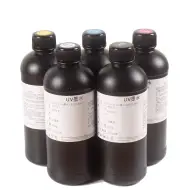
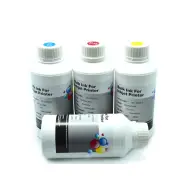
Traditional inks often contain harsh chemicals and volatile organic compounds (VOCs). Eco-friendly inks aim to eliminate or reduce these harmful substances. They are formulated from biodegradable, non-toxic ingredients that are safe for workers and the environment. Key benefits include:
- Less Toxicity: Safer for your staff and the local ecosystem.
- Better Color Quality: Improved brightness and colorfastness over time.
- Reduced Odor: Easier to work with, especially in enclosed spaces.
- Compliance: Meet industry regulations for environmental safety.
Switching to eco-friendly inks doesn"t mean sacrificing quality. Many brands have perfected formulations that deliver vibrant, durable prints. When I reviewed options, I found brands that not only meet environmental standards but also extend the lifespan of your prints.
Integrating Sustainable Practices Into Your Workflow
If you're ready to make the shift, here are practical steps:
- Upgrade Your Equipment: Invest in eco-friendly DTG printers like the A3 DTG Printer that supports eco-sustainable inks.
- Use Eco-Friendly Inks: Switch to non-toxic, biodegradable inks compatible with your printer.
- Train Your Team: Educate staff on eco-best practices, such as proper ink handling and waste disposal.
- Optimize Production: Minimize overproduction by focusing on on-demand printing and small batch runs.
- Track Your Impact: Monitor waste reduction, energy savings, and overall sustainability goals to keep improving.
By adopting these practices, you don"t just align with market trends—you position your brand as a leader in sustainability. Plus, eco-friendly manufacturing can often save costs in the long run and attract environmentally conscious clients.
Real User FAQs About Sustainability in Custom Clothing
1. How do eco-friendly inks compare in quality to conventional inks?
They often match or exceed the quality of traditional inks in vibrancy and durability. Advances in formulations mean your prints will last and look great over time.
2. Will switching to an eco-friendly DTG printer be expensive?
The initial investment can be higher, but the savings in ink costs, reduced waste, and energy efficiency balance out over time. Plus, it boosts your brand appeal.
3. Are there certifications for sustainable printing practices?
Yes, there are various eco-certifications like OEKO-TEX and GOTS that validate sustainable manufacturing processes. Choosing certified products emphasizes your commitment.
4. Can small businesses implement these sustainable practices without huge capital?
Absolutely. Start by switching to eco-friendly inks, optimizing existing workflows, and gradually investing in greener equipment as your business grows.
5. How do I communicate my sustainability efforts to customers?
Use your website, product tags, and marketing materials to highlight your eco-initiatives. Transparency builds trust and attracts eco-conscious buyers.