Tech with Heart: Creating Tactile Braille Maps for the Visually Impaired Using UV 3D Printing
Have you ever wondered how technology can bridge the gap for the visually impaired, giving them more independence and confidence? Are traditional maps just too flat or inaccessible for those with visual impairments? Creating tactile Braille maps using UV 3D printing is changing the game in assistive technology, offering a new level of detail, durability, and accessibility. This breakthrough combines innovative printing techniques with a heartfelt purpose, truly exemplifying 'tech with heart.'
Imagine chatting with a friend about visiting a new city, and they wish there was a reliable, tactile way to explore the local landmarks and streets. That"s where UV 3D printing shines. It allows designers and developers to craft highly detailed, durable, and touch-friendly maps that can be easily interpreted by those who rely on Braille. Traditional materials often fall short—cracked paper, bulky relief maps, or basic raised lines don't provide enough context or longevity. UV 3D printing offers a precise, customizable solution that adapts to the unique needs of visually impaired users, opening up new opportunities for independence and exploration.
Why Traditional Maps Fail for the Visually Impaired
Standard maps, whether paper or electronic, are designed for sighted users. They often rely on visual cues like colors, symbols, and fine details that are inaccessible to Braille readers. While tactile maps exist, their production is often expensive, fragile, and rarely customizable. They may lack the necessary intricacy to accurately represent complex routes, landmarks, or street layouts, making navigation more challenging.
Most traditional tactile maps are made by hand with relief materials or molds, which can be time-consuming and lack the flexibility needed for different locations or updates. Additionally, their durability is limited, and they don"t withstand frequent handling or outdoor conditions. As a result, many visually impaired individuals rely heavily on audio cues or assistance, which can still be limiting. The need for an affordable, durable, and easily customizable tactile map solution is clear—and UV 3D printing rises to meet that challenge.
How UV 3D Printing Transforms Accessibility with Tactile Maps
UV 3D printing utilizes ultraviolet light to cure resin materials layer by layer, producing highly detailed, smooth, and durable objects. When applied to creating tactile Braille maps, this technology offers distinct advantages:
- Exceptional Detail: UV 3D printers can produce intricate features such as small text, symbols, or texture variations necessary for effective navigation.
- Durability: The printed maps are sturdy and resistant to wear, ideal for frequent handling in educational settings, public spaces, or personal use.
- Customization: It"s easy to modify designs digitally and produce personalized maps for specific locations or user needs.
- Speed and Cost-Effectiveness: Rapid production cycles reduce costs and lead times, making widespread distribution feasible.
For example, a designer can quickly convert a city map into a tactile version by inputting the digital design into a UV 3D printer"s software. The result is a precise, textured map featuring raised streets, Braille labels, and tactile symbols indicating parks, transportation hubs, or landmarks. These maps help visually impaired users understand spatial relationships and navigate confidently. The entire process is scalable and adaptable, transforming how communities approach accessibility.
Creating Tactile Braille Maps: The Process Step-by-Step
Developing tactile maps with UV 3D printing involves several key steps:
- Design the Map Digitally: Use CAD software or specialized mapping tools to create a digital design that includes the terrain, labels, and tactile features.
- Convert to 3D Model: Apply software that prepares the design for 3D printing, ensuring features like Braille or raised lines are at the correct height and thickness.
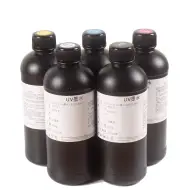
- Prepare the UV 3D Printer: Load the resin, set the appropriate parameters, and select the layer thickness for optimal detail and durability.
- Print the Map: Use UV-curable resin to produce the map in a single or multiple sessions, depending on size and complexity.
- Post-Processing: Cure the printed map under UV light if necessary, clean it of excess resin, and test tactile features for accuracy and feel.
This method ensures high precision and consistency—essential for creating maps that are both functional and user-friendly. Moreover, the digital nature of the process allows easy updates and modifications, which is critical in urban planning or educational contexts where layouts can change frequently. Flexible production means that communities can develop tailored maps for schools, transit stations, parks, or tourist attractions without significant overhead.
Practical Applications and Real-World Impact
Many organizations are already leveraging UV 3D printing to enhance accessibility. Schools for the visually impaired use tactile maps to teach geography and navigation. Public transportation agencies create maps of stations or bus routes. Museums and cultural sites develop tactile guides for exhibits. These maps not only foster independence but also enrich the experience of learning and exploration.
One inspiring example involved a city public library partnering with a local maker space to produce tactile maps of its facilities. Using UV 3D printing, they crafted durable, detailed maps that patrons could touch and interpret. This simple yet powerful tool encouraged more people to explore independently, breaking down barriers of understanding and access. Visitors with visual impairments reported feeling more confident navigating unfamiliar environments, which boosted their overall confidence and engagement.
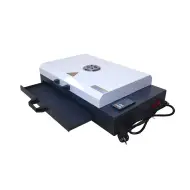
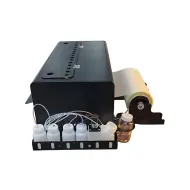
Looking ahead, the potential of UV 3D printing in assistive technology is immense. It enables custom solutions for individual needs and evolving environments, democratizing access and inclusion. As the technology becomes more affordable and widespread, expect to see tactile maps and other tactile aids become staples in urban design, education, and public services everywhere. For developers interested in integrating UV printing into their workflow, explore the options available at UV printers from GNFEI, which offer high-quality, user-friendly solutions tailored for tactile map production.
Why Choose UV 3D Printing for Tactile Maps?
Here"s a quick breakdown of the benefits:
- High Resolution and Detail: Essential for small Braille characters and complex landmarks.
- Cost-Effective Production: Once the design is ready, multiple copies can be produced quickly and affordably.
- Material Strength: Resistance to wear ensures maps last over time, even with frequent handling.
- Design Flexibility: Easily modify or update maps to reflect new information or corrections without starting from scratch.
- eco-Friendly Materials: Many UV resins are eco-conscious, appealing to sustainable design standards.
Remember, the key to effectively integrating tactile maps into your accessibility initiatives is understanding the power of precision and customization. UV 3D printing allows you to go beyond generic solutions and tailor-make maps that truly serve the needs of your community. Whether you"re a designer, city planner, or educator, adopting this tech can dramatically improve accessibility levels.
FAQs about Creating Tactile Braille Maps with UV 3D Printing
Q1: How durable are UV 3D printed tactile maps?
UV 3D printed maps are highly durable and resistant to wear, making them suitable for daily handling and outdoor use without losing detail or becoming damaged.
Q2: Can UV 3D printing produce maps at different scales?
Yes, the technology allows for precise scaling. You can create small, compact maps or larger detailed ones depending on your needs.
Q3: Are the materials used safe for users?
Most UV resins used are non-toxic once cured and are safe for handling. Always check product specifications to ensure safety standards are met.
Q4: How long does it take to produce a tactile map?
Production time varies based on size and complexity, but generally ranges from a few hours to a day. Rapid turnaround is one of UV printing"s key advantages.
Q5: Can I customize or update existing maps easily?
Absolutely. You can modify the digital design and quickly reprint the updated map, making maintenance and updates straightforward.
In the world of assistive technology, UV 3D printing is proving to be a transformative tool in creating tactile Braille maps that are detailed, durable, and accessible. Its ability to customize and rapidly produce high-quality tactile aids makes it indispensable for anyone committed to inclusivity and innovation. Embracing this technology can open new doors for the visually impaired community, empowering them to navigate the world with confidence, independence, and curiosity.