The Eco-Warrior’s Secret Weapon: How On-Demand Printing is Ending the Fast Fashion Waste Crisis
Are you tired of seeing piles of unsold clothing waste piling up in your closet or your local landfill? Do you wonder if there"s a way to enjoy customized fashion without contributing to the fast fashion crisis? If so, you"re not alone. As eco-conscious consumers and industry insiders seek sustainable alternatives, on-demand printing emerges as a game-changer, helping brands and individuals reduce environmental impact while still creating stylish, personalized apparel.
Imagine chatting with a friend who runs a small clothing boutique. She used to face large inventory costs, leftover stock, and constant waste from unsold items. Since switching to on-demand printing, she only produces clothing when customers order — dramatically cutting waste and overhead costs. This is not just a small-biz solution; it"s a scalable way for big brands and startups alike to combat the wastefulness of fast fashion.
Why Fast Fashion Is a Waste Crisis
Fast fashion dominates the industry, with brands flooding the market with inexpensive, trendy clothes. While it makes fashion more accessible, it also causes enormous environmental and social harm:
- Overproduction leads to mountains of unsold inventory.
- Discarded clothing accounts for billions of pounds of landfill waste annually.
- Massive water and energy consumption during manufacturing.
- Pollution from dyes and synthetic fibers shedding microplastics into the environment.
Many consumers don"t realize that the typical trendy T-shirt has traveled thousands of miles and consumed tons of resources before reaching their wardrobe. The solution? Reducing overproduction and waste is possible with smarter manufacturing.
Enter On-Demand Printing: The Eco-Warrior"s Secret Weapon
On-demand printing is a revolutionary technology that allows clothing to be printed only when a customer places an order. This approach shifts the traditional mass production model towards a more sustainable and customizable process.
Here"s why on-demand printing is making a difference:
- Zero waste inventory: No bulk manufacturing or unsold stock cluttering warehouses.
- Highly customizable: Customers get unique designs tailored to their preferences.
- Lower environmental footprint: Reduced water, energy, and chemical use compared to traditional factories.
- Faster market response: Brands can swiftly adapt to trends without overproducing.
How Does On-Demand Printing Work?
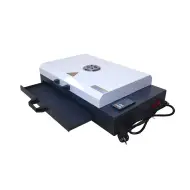
Traditional apparel manufacturing typically involves bulk orders, which can lead to wasted materials and unsold stock. In contrast, on-demand printing utilizes advanced digital printers, like the A3 DTG Printer, that produce high-quality prints directly on garments only when an order is received.
The process includes:
- Design creation: Customers or designers upload artwork to an online platform.
- Order placement: The customer selects their size, color, and design.
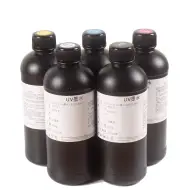
- Digital printing: The design is printed directly onto the garment with eco-friendly inks.
- Quality check & delivery: The finished product is inspected and shipped to the customer.
This streamlined process minimizes waste, ensures a fresh product for each customer, and allows brands to experiment with new designs without the risk of excess stock.
Sustainable Benefits of On-Demand Printing
Adopting on-demand printing not only helps brands meet eco-conscious consumer demands but also provides tangible sustainability advantages:
- Reduced overproduction: Only produce what"s ordered, eliminating surplus inventory.
- Less water usage: Digital printing uses significantly less water compared to traditional dyeing and screen printing.
- Lower chemical pollution: Eco-friendly inks and processes reduce chemical runoff.
- Decreased carbon footprint: Smaller logistics involved in just-in-time manufacturing.
For eco-warriors, this means tangible steps towards reducing fashion"s environmental impact while still enjoying a personalized wardrobe.
Choosing the Right Technology for Eco-Friendly On-Demand Printing
Not all printers are created equal. When aiming for sustainable printing, look for:
- Eco-friendly inks: Water-based or low-VOC inks that are safe for the environment.
- Energy-efficient machines: Modern printers designed to consume less power.
- Durability & quality: Long-lasting prints that don"t require reprinting or retouching.
The A3 DTG Printer exemplifies these qualities, offering high-resolution, eco-conscious printing solutions for small businesses and community initiatives.
Implementing On-Demand Printing in Your Fashion Business
If you"re ready to embrace sustainable apparel production, consider these steps:
- Partner with a reliable printing provider or invest in quality equipment.
- Create a diverse and appealing design portfolio that aligns with eco values.
- Set up a user-friendly online store, highlighting your eco commitments.
- Promote your sustainable approach on social media and through marketing campaigns.
- Regularly review your waste reduction metrics and customer feedback.
By shifting to on-demand printing, you"re not just making better business choices—you"re actively contributing to a healthier planet.
People Are Turning to Sustainable Fashion. Are You?
Consumers are becoming increasingly aware of the environmental impact of their fashion choices. They seek brands that are transparent and committed to sustainability. On-demand printing positions your brand as a leader in eco-friendly innovation, attracting a loyal, socially conscious audience.
Making the switch from traditional manufacturing to on-demand printing might seem complex at first, but the benefits—cost savings, waste reduction, and brand loyalty—are worth the effort. As environmental responsibility becomes a core value, this technology is reshaping how fashion operates in the 21st century.
Frequently Asked Questions
Initially, setup costs may be higher, but over time, savings from reduced inventory, waste, and faster production can make it more cost-effective.
2. How eco-friendly is digital printing compared to screen printing?Digital printing uses less water, energy, and chemicals, making it significantly more sustainable, especially when paired with eco-friendly inks.
3. Can on-demand printing handle large order volumes?Yes, modern printers like the A3 DTG can handle bulk orders efficiently, but the true advantage lies in mass customization without excess waste.
4. What kinds of clothing can be printed on demand?Most garments made from cotton, polyester, or blends suitable for direct-to-garment printing can be printed on demand, including T-shirts, hoodies, and tote bags.
5. How does on-demand printing affect product quality?High-quality digital printers produce durable, vibrant prints that last without cracking or fading—matching or exceeding traditional methods.