The Pros and Cons of print t shirts vs dtg printing service
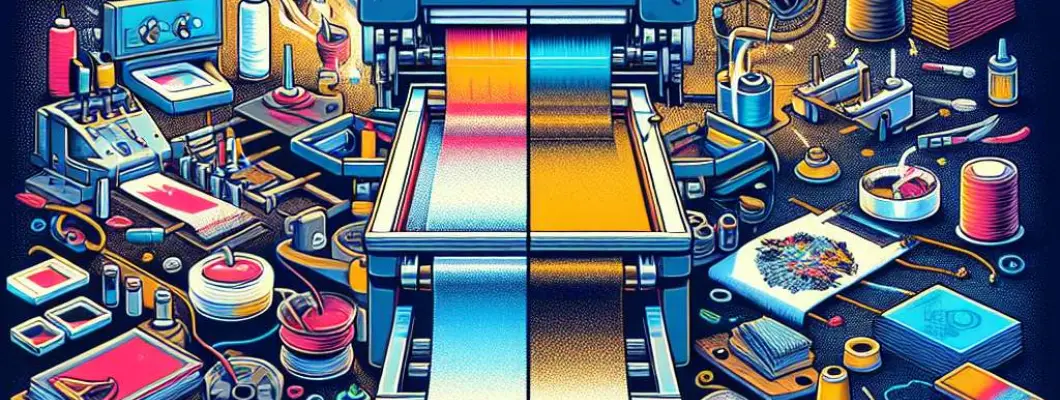
The Pros and Cons of Print T-Shirts vs DTG Printing Service
Choosing the right method for printing custom t-shirts can significantly impact the quality, cost, and overall success of your apparel project. Among the most popular options are traditional screen printing and Direct-to-Garment (DTG) printing services. Each method offers unique advantages and limitations, making it essential to understand their differences before making a decision. In this comprehensive guide, we"ll explore the pros and cons of print t-shirts using traditional methods versus DTG printing to help you select the best solution for your needs.
What is Traditional T-Shirt Printing?
Traditional t-shirt printing, commonly known as screen printing, has been a staple in the apparel industry for decades. It involves creating stencils (screens) for each color in the design and then pressing ink through these screens onto the fabric. This process allows for vibrant, durable prints that can withstand many washes. Screen printing is especially popular for bulk orders due to its cost-effectiveness at scale.
The Pros of Print T-Shirts Using Traditional Screen Printing
- Cost-Effective for Large Orders: Once setup is complete, the cost per shirt drops significantly, making it ideal for bulk production. This is because the initial investment in screens is amortized over many units.
- Vibrant Colors and Brightness: Screen printing inks tend to produce more vivid and opaque colors, especially on dark garments, resulting in eye-catching designs.
- Durability: Screen printed designs are known for their long-lasting print quality, withstanding repeated washes without fading or cracking.
- Wide Range of Materials: Suitable for various fabrics including cotton, polyester, blends, and more.
However, despite these advantages, traditional screen printing has some limitations which may impact your decision.
The Cons of Traditional T-Shirt Printing
- High Initial Setup Cost: Creating screens and preparing the setup can be time-consuming and expensive, especially for small runs or customized orders.
- Limited in Color Variability: Generally better suited for designs with fewer colors; complex, multi-colored images require multiple screens, increasing costs and setup time.
- Less Cost-Efficient for Small Batches: For small quantities or one-off prints, the setup costs may outweigh the benefits, making it less economical.
- Longer Turnaround Times: The process involves multiple steps, which can extend the delivery timeline.
What is DTG Printing?
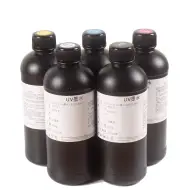
Direct-to-Garment (DTG) printing is a relatively newer method that uses specialized inkjet technology to print detailed images directly onto fabric. This process is akin to printing on paper but optimized for textiles. DTG offers high-resolution prints and is highly suitable for small runs, one-offs, or designs with complex color schemes. If you are exploring a flexible and fast method for custom apparel, DTG might be the right choice.
The Pros of DTG Printing
- High Detail and Resolution: Capable of printing complex images with fine details, gradients, and photo-realistic effects.
- Cost-Effective for Small Orders: No need for screens or setup costs, making it ideal for custom orders, prototypes, or short runs.
- Quick Turnaround Time: Since the process is digital, designs can be printed instantly once the artwork is ready.
- Easy to Make Modifications: Changes to designs or colors can be easily uploaded and printed, allowing for a truly customizable experience.
Despite these advantages, DTG printing also presents some challenges.
The Cons of DTG Printing
- Cost per Print: For large orders, the per-unit cost may be higher compared to screen printing, especially when printing large quantities.
- Limited Material Compatibility: Works best on 100% cotton fabrics; other materials may not yield optimal results.
- Less Durable than Screen Printing: DTG inks can fade faster over multiple washes, especially if not properly cured or maintained.
- Slower for Bulk Production: Although quick for single orders, it is not as efficient as screen printing for large runs.
Choosing the Right Method for Your Needs
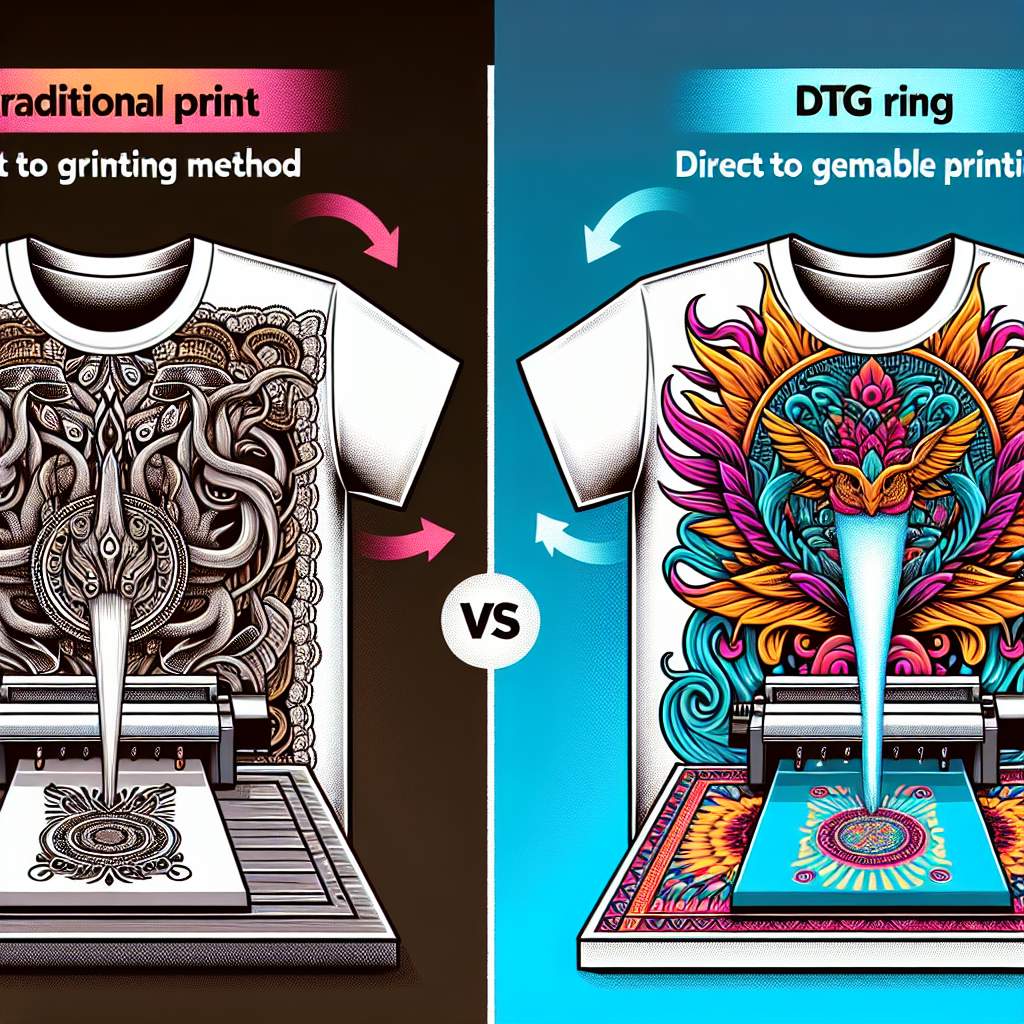
Deciding between traditional screen printing and DTG depends largely on your specific needs, quantity, design complexity, and budget. If you plan to produce a large number of shirts with simple, bold designs, screen printing is usually the better option due to its cost efficiency and durability. Conversely, for small batches, intricate artwork, or personalized items, DTG offers flexibility, superior detail, and faster turnaround times.
Integrating Technology Into Your Printing Process
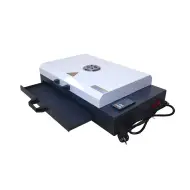
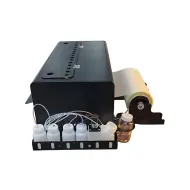
When considering DTG printing, investing in high-quality equipment can enhance your production capabilities. For instance, the A3 DTG Printer is one such device that offers high precision and productivity, making it suitable even for small businesses looking to expand their product range. Upgrading your equipment can improve print quality and speed, ensuring your customers receive top-notch products every time.
Final Thoughts
Both traditional print t-shirt methods and DTG printing have their unique pros and cons. Your choice should align with your production scale, design complexity, budget, and desired quality. If you need a large batch of vibrant, durable shirts cost-effectively, screen printing remains a popular go-to. However, for customized, detailed designs, or quick small orders, DTG printing offers unmatched flexibility and quality. Carefully evaluate your project requirements to select the most suitable method and potentially combine both for different product lines or needs.
In Summary
- Screen Printing: Best for large runs, vibrant colors, durability, lower cost at scale.
- DTG Printing: Ideal for small, custom orders, complex graphics, quick turnaround.
Choosing the right t-shirt printing method can significantly influence your brand"s image and customer satisfaction. Whether you opt for traditional or digital, ensuring quality and efficiency should be your priorities. For those interested in advanced DTG solutions, consider exploring the latest technology such as the A3 DTG Printer to elevate your printing capabilities.