The Ultimate Guide to UV Printers: Transforming Digital Printing Today

Are you struggling to find a printing solution that offers vibrant, durable results and versatile applications? If so, understanding how a UV printer can elevate your business or creative projects is essential. The UV printer is revolutionizing digital printing, offering unmatched quality and flexibility that traditional printers can"t match. Let"s explore what makes UV printers a game-changer in the printing industry.
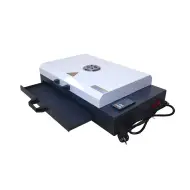
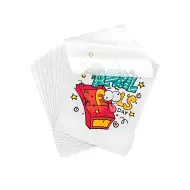
UV printers use ultraviolet light to instantly cure inks onto almost any surface. This technology allows for direct printing on materials like plastic, metal, wood, glass, and even ceramics — something that traditional printers struggle with. Imagine printing a colorful, photo-quality design directly onto a smartphone case or agift item without the need for transfer papers or additional coatings. This capability opens new doors for businesses looking to personalize products, create prototypes, or produce high-quality marketing materials on demand.
Why Choose a UV Printer? Key Benefits
- Exceptional Color Quality and Detail: UV printers produce vibrant, full-color images with sharp details. Thanks to high-resolution printing, every logo, photograph, or pattern pops with clarity.
- Print Directly onto Various Surfaces: Whether it"s wood, glass, metal, or plastic, UV printers handle multiple materials without the need for special treatments or coatings. This reduces production steps and time.
- Instant Curing for Quick Turnaround: The UV light cures inks as soon as they land on the surface, enabling immediate handling and minimizing smudges or scratches during production.
- Durability and Resistance: Printed items are resistant to scratches, UV fading, and water, making them suitable for outdoor applications or products subject to wear and tear.
- Cost-Effective for Small Runs: Unlike traditional printing methods that require setup or screens, UV printing is ideal for short runs or on-demand production, saving costs and reducing waste.
How Does a UV Printer Work? The Technology Explained
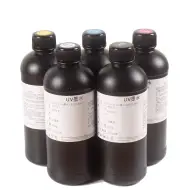
At its core, a UV printer operates similarly to traditional inkjet printers but with a critical difference — the inks are specially formulated to cure under ultraviolet light. Here"s what happens step-by-step:
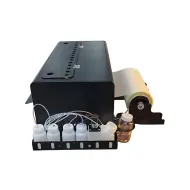
- The printer"s nozzles spray UV-compatible inks directly onto the surface.
- LED UV lights activate immediately upon ink deposition, curing the ink on contact.
- The surface can be handled or processed immediately after printing, thanks to the instant curing process.
This process allows for ultra-precise printing on surfaces with complex shapes or textures, significantly expanding creative possibilities.
Applications of UV Printing: From Art to Industry
Businesses and creatives are harnessing UV printers for diverse applications. Here are some common uses:
- Personalization and Custom Gifts: Print photos, names, or designs directly onto mugs, phone cases, or jewelry for unique personalized products.
- Signage and Displays: Create vibrant, weather-resistant outdoor signs, banners, and point-of-sale displays that catch attention.
- Packaging Prototypes: Produce high-quality, detailed packaging samples or prototypes without costly setup.
- Industrial Labeling: Apply durable labels or nameplates to machinery or equipment that withstands harsh environments.
- Home Decor and Art: Turn wooden panels, glass panels, or canvas into gallery-quality art with detailed, colorful prints.
Choosing the Right UV Printer: What to Consider
Not all UV printers are created equal. When selecting a model, focus on these critical factors:
- Print Size and Resolution: Match the printer"s maximum printing dimensions and quality to your project needs.
- Material Compatibility: Ensure the printer can handle the surfaces you plan to work with most frequently.
- Print Speed: For high-volume production, choose a model with faster printing capabilities without compromising quality.
- Cost and Maintenance: Balance upfront investment against ongoing costs like ink and parts; consider ease of maintenance for long-term operation.
- Environmental Considerations: Check if the printer uses eco-friendly inks and has energy-efficient features.
Real-World Success Stories
One small business owner started using a UV printer to create custom home decor items. By printing directly onto wooden trays and glass jars, they increased product appeal and reduced production times. Customer satisfaction soared, and their business expanded into wholesale markets. Conversations with friends revealed that the speed and clarity of UV printing gave them a distinct competitive edge, illustrating how embracing this technology can transform a local venture into a thriving enterprise.
Frequently Asked Questions About UV Printers
1. How durable are UV-printed products?
UV-printed items are highly resistant to scratches, UV fading, water, and chemicals, making them suitable for outdoor and industrial use.
2. Is UV printing environmentally friendly?
Many UV inks are low in volatile organic compounds (VOCs), making them more eco-friendly than some solvent-based inks. Always check the specific inks and equipment for eco-compliance.
3. Can UV printers print on irregular or curved surfaces?
Yes, UV printers excel at printing on complex shapes and textured surfaces, providing high-quality results without additional treatments.
4. What is the typical cost of a UV printer?
Prices vary widely based on size, features, and speed, ranging from around several thousand dollars for basic models to over $50,000 for industrial-grade machines. Consider your volume and application needs when investing.
5. What maintenance does a UV printer require?
Regular cleaning of print heads, UV lamps, and surfaces ensures consistent quality. Periodic calibration and ink replacement are also necessary for long-term performance.
Exploring UV printers might seem complex at first, but the benefits of high-quality, durable, and versatile printing open significant opportunities. Whether you are a business owner, artist, or manufacturer, mastering UV printing can set you apart in the competitive landscape. Remember, the key to success is understanding your specific needs and selecting the right equipment that matches your production goals.
Advanced Technical Insights & Application Analysis
One of the most compelling technical advantages of UV printing lies in its exceptional ink adhesion capabilities. Unlike traditional solvent-based systems, which often require pre-treatment or priming of substrates, UV-enabled inks bond seamlessly with a diverse range of materials, including non-porous surfaces like glass, metal, and ceramics. This high adhesion is achieved because UV inks remain viscous until cured by ultraviolet light, allowing them to penetrate micro-textures on the surface and form a robust bond during the polymerization process. Additionally, this characteristic makes UV printing an indispensable choice for industries demanding long-lasting results, such as automotive part labeling or architectural signage.
Another technical edge is the speed and efficiency of the UV curing process, which directly impacts production line throughput. UV printers utilize advanced LED curing systems that emit consistent light wavelengths, ensuring even and rapid curing across surfaces. This not only minimizes potential production bottlenecks but also eliminates drying times associated with heat or solvent evaporation. Consequently, businesses looking to streamline operations and reduce costs while maintaining impeccable product quality find UV printing particularly advantageous, especially for high-demand sectors like B2B promotional goods or custom-packaging prototypes.
From an investment perspective, the ROI for UV printing devices is unparalleled in short-run and on-demand production scenarios. Traditional methods often incur high setup costs due to plates, screens, or specialty equipment, pushing small quantities into uneconomical territories. UV printing eliminates these barriers, offering businesses the opportunity to deliver customized and premium-grade outputs at scalable costs. For example, many companies specializing in “UV printing services” have reported substantial profit-margin improvements by tapping into niche markets such as custom home décor, personalized gifts, and eco-conscious brand packaging.
Frequently Asked Questions
1. What contributes to the excellent adhesion of UV inks?
UV inks achieve superior adhesion through their unique curing process. The viscosity of the ink allows it to settle into the microscopic textures of a substrate before solidifying under UV light, creating a durable chemical bond. This mechanism ensures lasting results even on difficult materials like glass and metals.
2. How do UV printers support energy efficiency?
Modern UV printers often incorporate LED curing units, which consume significantly less power than traditional mercury lamps. Furthermore, because UV curing occurs instantaneously, overall operational energy usage is reduced compared to other technologies that require prolonged drying times or heated components.
3. What maintenance considerations are essential for UV printers?
To maintain optimal performance, ensure regular cleaning of print heads to prevent clogging, inspect UV lamps for consistent output, and replace mechanical parts as needed according to the manufacturer’s guidelines. Staying proactive in maintenance reduces downtime and extends the printer’s lifespan.
4. Can UV printing replace industrial screen printing for large-scale applications?
For specific short-run or customization-heavy tasks, UV printing can be a cost-effective alternative to screen printing. However, for extremely large-volume production, traditional screen printing may still offer faster throughput and lower per-unit costs. Assessing volume requirements is key when choosing between these technologies.
5. How does UV printing meet eco-friendly standards?
UV printing emits minimal volatile organic compounds (VOCs) due to the unique composition of UV inks. Additionally, the technology avoids waste from plates or screens, making it a more sustainable option for businesses aiming to reduce their carbon footprint.