Ultimate Guide to Flower Printers and Flower Printing Machines in 2024
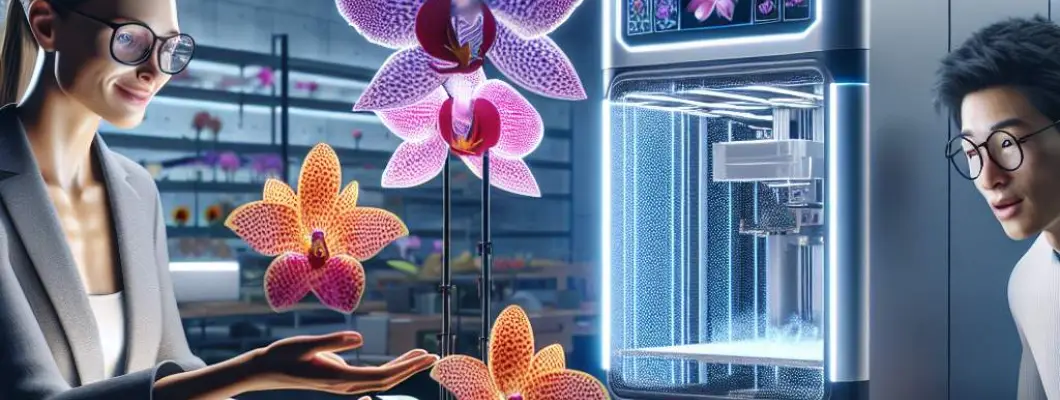
In recent years, the floral industry has witnessed a remarkable transformation thanks to advances in printing technology. The emergence of flower printers and flower printing machines has opened new avenues for designers, florists, and hobbyists to create stunning floral visuals with ease. These innovative devices enable high-precision printing on various surfaces, offering endless possibilities for personalized floral designs, customized gifts, and large-scale floral displays.
Understanding the different types of flower printers is essential for anyone interested in integrating this technology into their floral business or creative projects. Typically, these devices can be categorized into digital printers, sublimation printers, and specialized floral printers designed specifically for petal and leaf printing. Each type has distinct features and benefits, catering to the needs of different users. Digital floral printers excel in producing vibrant, detailed images on paper and fabric, while sublimation printers are preferred for printing on ceramics and textiles that require heat transfer methods. <>
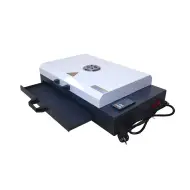
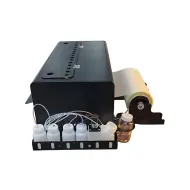
The core component of these systems is the flower printing machine, which often incorporates advanced inkjet or UV printing technology. These machines allow for high-resolution outputs, ensuring that even the smallest details in floral patterns are vividly captured. For example, a typical flower printing machine can print realistic floral images on a variety of surfaces such as paper, canvas, plastic, and even metal. This flexibility makes it a popular choice among wedding decorators, event organizers, and floral artisans who want to showcase their designs in unique formats.
One of the most significant advantages of using a flower printer is the ability to produce complex floral patterns quickly and consistently. Unlike handmade drawings or paintings that may vary in quality, digital printing ensures uniformity across multiple copies. This consistency is crucial for commercial applications where branding and visual impact matter. Moreover, recent developments have led to the integration of AI-based design software that can generate customized floral images, allowing users to create unique artwork without extensive design skills. <>
When choosing a flower printing machine, several factors should be considered. Printing resolution, color accuracy, surface compatibility, and ease of maintenance are key aspects that influence performance. For small businesses or hobbyists, compact desktop models with user-friendly interfaces may suffice. Conversely, large-scale industrial printers are suitable for mass production of floral gifts, wallpapers, or event decorations. Additionally, some printers support eco-friendly inks, aligning with sustainable business practices—a growing trend in the floral and printing industries. By selecting the right equipment, users can significantly enhance their floral design capabilities and output quality.
Beyond aesthetics, flower printers also contribute to the efficiency and versatility of floral arrangements. For instance, printing high-quality floral images directly onto substrates like wood or glass opens new design possibilities. Wedding and event organizers often utilize these printed images for customized table centerpieces, backdrops, and banners, elevating the overall ambiance. Furthermore, floral printing technology is increasingly incorporating UV light curing, which speeds up production and increases durability of printed decorations. This means that floral designs can withstand sunlight, moisture, and handling, making them suitable for both indoor and outdoor use. <>
Innovations in material compatibility continue to expand the scope of flower printing machines. Manufacturers are now developing printers capable of printing on unconventional surfaces such as fabrics, ceramics, and even edible substrates like sugar sheets for cake decorations. This versatility enables a broader range of creative applications, from personalized greeting cards and gifts to edible floral art for culinary presentations. As the technology advances, the quality of edible floral prints improves, opening new markets within the food and beverage industry.
In conclusion, the rise of flower printers and flower printing machines is revolutionizing floral design and decoration. Their ability to produce detailed, vibrant floral images efficiently and consistently makes them invaluable tools for professionals and enthusiasts alike. Whether you're looking to expand your floral business, craft personalized gifts, or explore new artistic avenues, investing in the right floral printing equipment can significantly enhance your creative output. As technology continues to evolve, we can expect even more innovative features and larger applications in the near future, further blending artistry with digital precision in the floral world.
Advanced Technical Insights & Application Analysis
Flower printers, powered by cutting-edge UV curing technology, have set new standards for durability and efficiency in floral decoration. The integration of UV light curing during the printing process ensures rapid ink adhesion and enhances the vibrancy of floral designs. This methodology directly impacts production cycles, allowing for faster turnaround in mass customization of floral products. Additionally, UV printing safeguards printed surfaces against environmental factors such as moisture and sunlight, making them ideal for both indoor and outdoor installations.
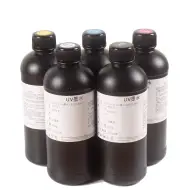
Another noteworthy feature of high-end flower printers is their adaptability to advanced eco-friendly inks, addressing the growing demand for sustainable printing solutions. These ink formulations not only reduce environmental impact but also deliver exceptional color accuracy on diverse surfaces. Companies focused on B2B applications are increasingly prioritizing these features, as they provide a reliable investment option with a measurable return on improved efficiency and customer satisfaction.
Material compatibility continues to evolve, with flower printing machines now capable of handling unconventional substrates like metal, wood, and even edible materials. This versatility has exponentially expanded their application range, attracting industries beyond traditional floral decoration. For instance, culinary artisans can use customized edible prints for cakes and desserts, while event specialists benefit from bespoke designs on banners and centerpieces. The flexibility of printers flowers combined with precision technology makes these machines an unmatched asset in creative markets.
Frequently Asked Questions
Q1: What resolution can flower printers achieve?
A: Modern flower printers can achieve resolutions up to 1440 dpi, delivering photorealistic quality suitable for professional-grade applications.
Q2: Are flower printing machines suitable for commercial scalability?
A: Yes, industrial-scale flower printers are optimized for large-volume production, ensuring consistent quality and operational efficiency while reducing per-unit costs.
Q3: Can flower printers work on irregular surfaces?
A: Absolutely. Advanced flower printers, especially UV models, are designed to print seamlessly on curved and textured surfaces, widening their application scope in creative industries.