What Makes a T-SHIRT PRINTER Profitable in a Custom-First Market
Are You Struggling to Make Your T-Shirt Printer Profitable in a Custom-First Market?
If you're in the T-shirt printing business, you already know how competitive it is. The market is shifting towards personalized, one-of-a-kind apparel more than ever. But here"s the question: what truly makes a T-shirt printer profitable in this new landscape? I"ve spoken with many fellow entrepreneurs who grapple with scaling their business while keeping costs low and quality high. Let"s break down the essentials that help you stand out and boost your margins.
Understanding the New Custom-First Market
Why Customers Want Custom T-Shirts
Today"s consumers seek uniqueness. They want T-shirts that speak to their personality, beliefs, or special moments. This demand for personalization means you need to shift from bulk printing to more tailored, small-batch jobs. The market is more about quality, speed, and flexibility than before.
For instance, I spoke to a small printer who started offering limited-edition designs for local events. His profit margins shot up because he could charge extra for those personalized touches. The more they wanted it unique, the more he earned.
The Impact on Profitability
In a traditional print business, profit often hinges on volume. But in a custom-first world, profitability comes from offering value, efficiency, and smart pricing. Smaller runs mean higher per-unit costs, but you can offset that with premium pricing and faster turnarounds. The key is knowing where to *add value* without sacrificing quality or your margins.
Key Factors That Make a T-Shirt Printer Successful and Profitable
1. Investing in Quality Equipment
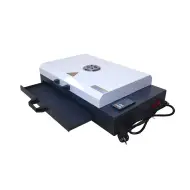
High-quality printers are your foundation. For example, an A3 DTG Printer allows you to print detailed designs quickly and reliably on demand. While upfront costs might seem steep, the return on investment comes from fewer misprints, faster production, and happier customers.
Think of it like buying a good pair of shoes—at first, it costs more, but they last longer and feel better. The same goes for your equipment.
2. Offering a Wide Range of Customization Options
This isn"t just about printing logos. Get creative with colors, fonts, and even special effects like glow-in-the-dark features or textured inks. The more options you have, the easier it is to cater to diverse clients—and charge a premium for bespoke work.
Happy clients often pay more when they see you can turn their ideas into reality seamlessly.
3. Mastering Efficient Workflow & Production
Speed equals profit. Streamlining your workflow—from order receipt to printing and shipping—reduces costs and improves margins. Use automated software for order management and batching similar jobs to minimize setup time.
For instance, batching multiple T-shirts with similar designs saves time. Additionally, investing in multi-functional equipment like combined heat presses speeds up your output. Like chatting with a friend who optimized their process and now ships same-day!
4. Strategic Pricing and Upselling Skills
Don"t undervalue your service. Use tiered pricing—basic, standard, premium—to capture different customer segments. Offer upgrades like faster shipping or special inks to increase order value. Clear communication about the premium quality and customization options boosts sales.
Remember, it's not just about the cheapest price; it"s about perceived value. When clients see your T-shirts are exclusive and high-quality, they"re willing to pay more.
5. Building a Strong Online Presence and Brand
Your website and social media channels are your storefront. Showcase your best work with high-quality photos, testimonials, and case studies. Use SEO strategies to rank high for niche keywords like "custom graphic tees" or "personalized T-shirts."
Engaging with your community and leveraging customer reviews can create a loyal customer base that refers others.
Additional Tips to Maximize Profitability
- Source Quality Materials: Cheaper textiles may save money initially, but they can hurt your brand reputation. Invest in quality shirts, inks, and accessories.
- Offer Design Assistance: Many customers lack design skills. Providing professional design services or templates can increase your average order value.
- Leverage Print-on-Demand: To avoid excess inventory, use print-on-demand models. This reduces risk and allows you to serve more diverse clients.
- Stay Updated on Trends: Trends are volatile but lucrative. Keep an eye on streetwear, pop culture, and niche communities to update your offerings accordingly.
- Focus on Customer Experience: Fast replies, quality assurance, and reliable shipping make your clients return—and come back with more orders.
Real-Life Success Story
I remember chatting with a local entrepreneur who started with a basic DTG printer. She invested in a quality machine and diversified her product options. To her surprise, custom hoodie orders doubled her profits within six months. She also learned to upsell by offering personalized packaging and rush services. Her secret? Focusing on quality and convenience, making her brand the go-to for custom apparel.
If you"re serious about scaling your T-shirt printing business, check out the A3 DTG Printer. It"s a game-changer for quick, high-quality custom printing that meets customer demand. Remember, in a custom-first market, your ability to adapt and offer superior service determines your profitability.
Frequently Asked Questions
1. How much does a good DTG printer cost?
Prices vary, but a reliable A3 DTG printer like the one linked costs around $10,000–$15,000. Consider this an investment in quality, speed, and customer satisfaction.
2. Can I start a profitable T-shirt business with limited upfront capital?
Yes, starting small with print-on-demand services or secondhand equipment can work. Gradually reinvest profits into better gear and expanding your offerings.
3. How do I attract more customers to my custom T-shirt business?
Leverage social media, showcase your work, and ask satisfied clients for reviews. SEO-optimized website content helps drive organic traffic.
4. What are the most popular customization options today?
Graphic prints, textured inks, glow-in-the-dark effects, and embroidery remain popular. Trendy designs related to pop culture or social causes also resonate well.
5. How do I ensure my profit margins stay high?
Invest in efficient equipment, master workflow optimization, price strategically, and upsell whenever possible. Quality and speed will justify premium pricing.
Advanced Technical Insights & Application Analysis
Investing in advanced printing technology like the A3 DTG Printer is more than just a capital expenditure; it’s a game-changer in achieving consistent profitability in the t-shirt printing business. One of its standout features is the precision of ink application, leveraging high-resolution print heads with optimal ink drop placement. This minimizes wastage and ensures vibrant, long-lasting prints, which are crucial in meeting the demands of custom-focused clients. High ink adhesion and rapid drying reduce production bottlenecks, allowing for faster scaling of operations without compromising quality.
Another critical advantage of the A3 DTG Printer is its efficient UV curing system. The integration of UV curing technology ensures that prints are not only visually appealing but also resistant to wear and distortion, especially under high usage conditions. This makes personalized t-shirts ideal for both individual and bulk B2B orders. For businesses seeking consistent returns on investment, such features dramatically enhance profitability by reducing reprints and increasing customer satisfaction. In a competitive market, the ability to guarantee print quality at scale is a significant differentiator.
From a B2B perspective, the scalability of a DTG setup combined with the ability to produce unique, short-run designs aligns perfectly with corporate branding needs and retail collaborations. By catering to detailed and specific requirements, businesses can strategically position themselves as premium providers. Additionally, the operational efficiency provided by automated workflows—from file processing to ink management—drives down long-term costs, making t-shirt printing profitable even with high customization and low volume orders.
Frequently Asked Questions
- Q: How does UV curing technology benefit the t-shirt printing business?
A: UV curing ensures durability and resistance to wear, giving businesses a competitive edge in producing high-quality, long-lasting custom apparel.
- Q: Is the A3 DTG Printer suitable for small-scale t-shirt printing businesses?
A: Yes, its compact design, customizable workflows, and reduced ink waste make it ideal for scaling operations efficiently with limited upfront investment.
- Q: What makes t-shirt printing business income sustainable using DTG technology?
A: By combining premium customization, faster turnaround times, and minimal production errors, DTG technology allows consistent client retention and profitability.
- Q: Can the A3 DTG Printer handle bulk orders alongside personalized single-unit jobs?
A: Absolutely. Its flexibility in adjusting to various batch sizes ensures seamless transitions between bulk and custom orders without impacting efficiency.
- Q: What factors should I consider before investing in DTG technology?
A: Consider print resolution, ink adhesion, workflow automation, and UV curing efficiency. These features affect your ability to scale profitably while maintaining quality.