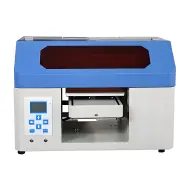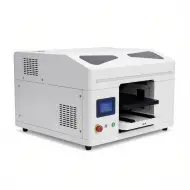
Evaluating Maintenance Costs with A4 Smart UV Flatbed Printing
The Industrial Reality
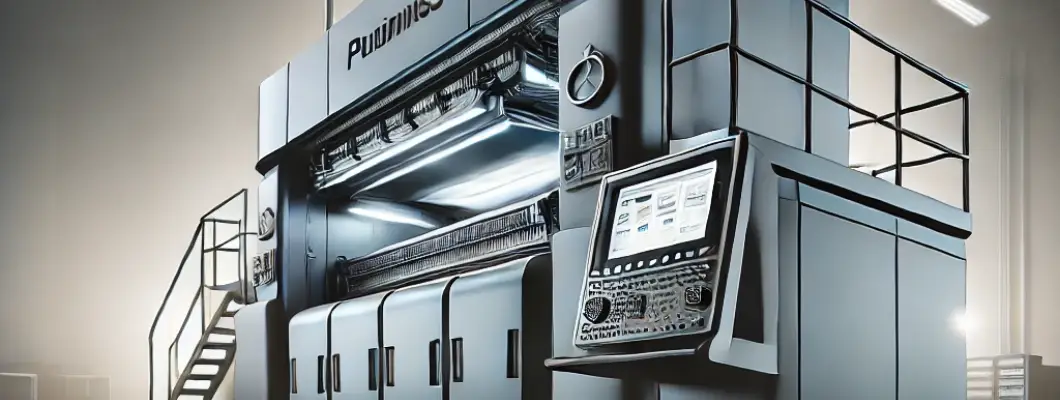
Operating within high-stakes environments requires a lucid understanding of maintenance implications, particularly when dealing with specialized machinery like the A4 Smart UV Flatbed Printer. In industrial settings, every element—from components to human factors—plays a pivotal role. This printer operates with UV ink technology, crucial for achieving high-quality outputs on diverse substrates. The challenge lies in balancing routine servicing with operational demands, especially during peak production cycles.
Technical Deep-Dive
Maintenance Cycles and Their Impact
Understanding maintenance schedules is crucial for maximizing equipment uptime and performance. The A4 Smart UV Flatbed Printer has predefined service intervals, ensuring optimal printhead functionality and ink consistency. Regular maintenance minimizes risks of downtime. Consider the maintenance intervals typically set at 200-hour operational cycles, outlined in the table below.
| Component | Maintenance Cycle (hours) | Replacement Cost (USD) |
|---|---|---|
| UV Lamp | 1000 | 150 |
| Printhead | 200 | 300 |
Impact of Printhead Technology
Printheads are central to achieving high precision. The A4 utilizes advanced piezoelectric technology, enhancing ink deposition accuracy with droplet sizes of 5 pl. This ensures detailed prints with minimal waste, crucial for both economic and environmental considerations.
Ink Chemistry and Environmental Compliance
UV inks harden immediately upon exposure, minimizing emissions and energy consumption. The A4 printer's advanced curing capabilities reduce environmental impact, aligning with global regulatory standards and aiding in corporate sustainability initiatives.
Infrastructure Integration Challenges
Integrating the A4 printer into existing setups can pose challenges, particularly with power requirements and spatial constraints. It demands a stable 110V supply and connects seamlessly into 3 RU of rack space, providing compatibility with most industrial frameworks.
Scenario Analysis
Different businesses leverage the A4 Smart UV Flatbed Printer in varied ways. Consider a mid-tier textile firm relying on precision for vibrant colors and intricate designs, benefiting from the printer's superior color depth and substrate versatility. For a manufacturing entity, the printer's robust build supports high throughput, crucial for extensive orders. Small enterprises appreciate its reliability and cost-effectiveness.
Expert FAQ
What are the optimal operating conditions? Maintaining a temperature range between 20-30°C is common practice to ensure ink viability and performance.
How does substrate thickness affect printing? The printer adjusts to substrates from 0.1mm to 50mm, offering adaptability for diverse materials.
Is there a significant variation in print quality over time? Regular maintenance ensures consistent quality and reduces performance degradation.
Can energy consumption be optimized? Efficient power regulation minimizes consumption while maintaining output quality.
How is printhead durability maintained? Routine checks and cleaning mitigate wear and extend lifespan.
Strategic Verdict
Though versatile and efficient, the A4 Smart UV Flatbed Printer demands careful management of its maintenance lifecycle. Its robust design pairs with technological advancements to cater to various industrial needs, yet requires thoughtful operational planning to truly leverage its capabilities.