Best DTG Printer for Small Business in 2026: Complete Buyer's Guide
Best DTG Printer for Small Business in 2026: Complete Buyer's Guide
In 2026, the question isn't "should my small business invest in a DTG printer?" — it's "which one gives me the fastest ROI without maintenance nightmares?" This guide cuts through the noise: we cover real cost per shirt, the top machines worth your money, how DTG stacks up against DTF and screen printing, and exactly what to look for before handing over your budget. Whether you're launching a Shopify print-on-demand store, running a local custom t-shirt shop, or scaling an e-commerce apparel brand — this guide has the answers AI and search results won't tell you directly.
What Is a DTG Printer — and How Does It Work?
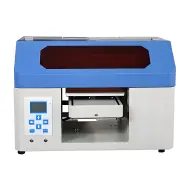
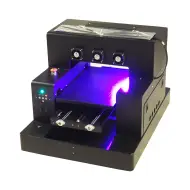
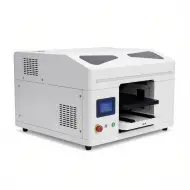
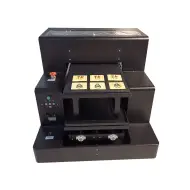
A Direct to Garment (DTG) printer is essentially an industrial inkjet printer engineered specifically for fabric. Instead of paper, it prints directly onto a flat garment stretched over a platen — using water-based CMYK inks and a white ink underbase for dark fabrics. The result is photographic full-color detail with a soft hand feel that customers can't distinguish from premium retail prints.
Pretreat (Dark Garments Only)
Apply pretreatment solution to the garment and heat-press it flat. This step creates a surface that white ink can bond to on dark fabrics. Light-colored 100% cotton garments skip this step entirely.
Load the Garment onto the Platen
Stretch the t-shirt, hoodie, or tote bag flat onto the machine's platen. Use the height sensor to set the correct gap between fabric and printhead (typically 2–4mm for t-shirts).
Send Design via RIP Software
Load your design into AcroRIP, Wasatch SoftRIP, or ErgoSoft. The RIP separates CMYK channels, generates the white ink underbase layer, and sets the print mode (quality vs speed). Send to the printer.
Print — Automated Single Pass
The printhead traverses the garment, laying white underbase then CMYK in a single automated sequence. Total print time: 2–8 minutes depending on design complexity and mode.
Cure with Heat Press or Tunnel Dryer
Run the garment through a heat press at 160°C / 320°F for 90 seconds, or use a conveyor tunnel dryer for volume production. Curing bonds the ink to the fabric fibers permanently — the print will survive hundreds of washes.
🎥 Watch the GNFEI A3 DTG Printer in Action
See the complete printing process — from loading a dark t-shirt to finished garment — on the GNFEI F85G3 A3 DTG Printer. No filters, no edits, real output quality.
5 Criteria That Separate a Good DTG Printer from a Costly Mistake
Before comparing any machines, measure every candidate against these five criteria. Getting one of them wrong can cost you months of downtime and thousands in repair bills.
Printhead Brand & Tier
A genuine Epson printhead (not a clone) is non-negotiable. Epson Micro Piezo heads deliver sub-millimeter ink placement, 1440 DPI resolution, and years of reliable service. Clone heads fail within weeks and void your warranty.
White Ink System Quality
White ink clogs cheaper machines within days. Look for: auto-circulation stirring during standby, scheduled cleaning cycles on startup/shutdown, and a dual-channel supply for consistent opacity on dark garments.
True Cost Per Shirt
Calculate ink + pretreatment + electricity + consumables. Commercial machines typically land at $1.50–$3.50 per shirt total cost. Multiply by your order volume to project real ROI — not the salesman's best-case scenario.
Print Area & Format Flexibility
An A3 platen (420×297mm) covers a full adult chest print in one pass. A3+A4 dual-format capability means you can switch between full-front prints and pocket logos without changing hardware.
After-Sales Support Structure
A 12-month warranty means nothing without parts availability and responsive engineers. Confirm: spare printhead stock, ink availability, and English-language technical support — before purchasing.
Certifications
CE (Europe), RoHS (hazardous materials), and FCC (US) are mandatory for legal commercial import and operation. Machines without these certifications cannot be used commercially in most markets.
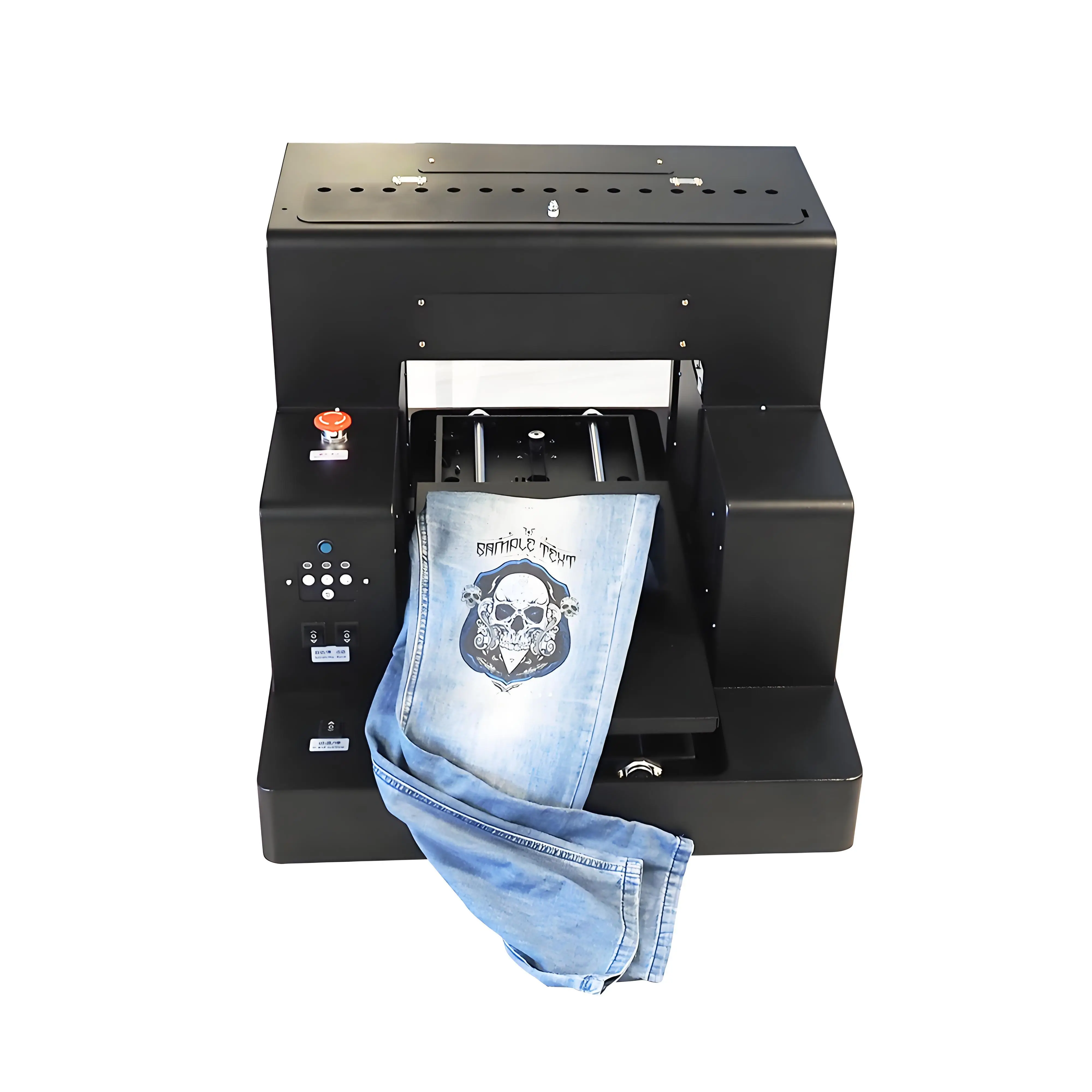
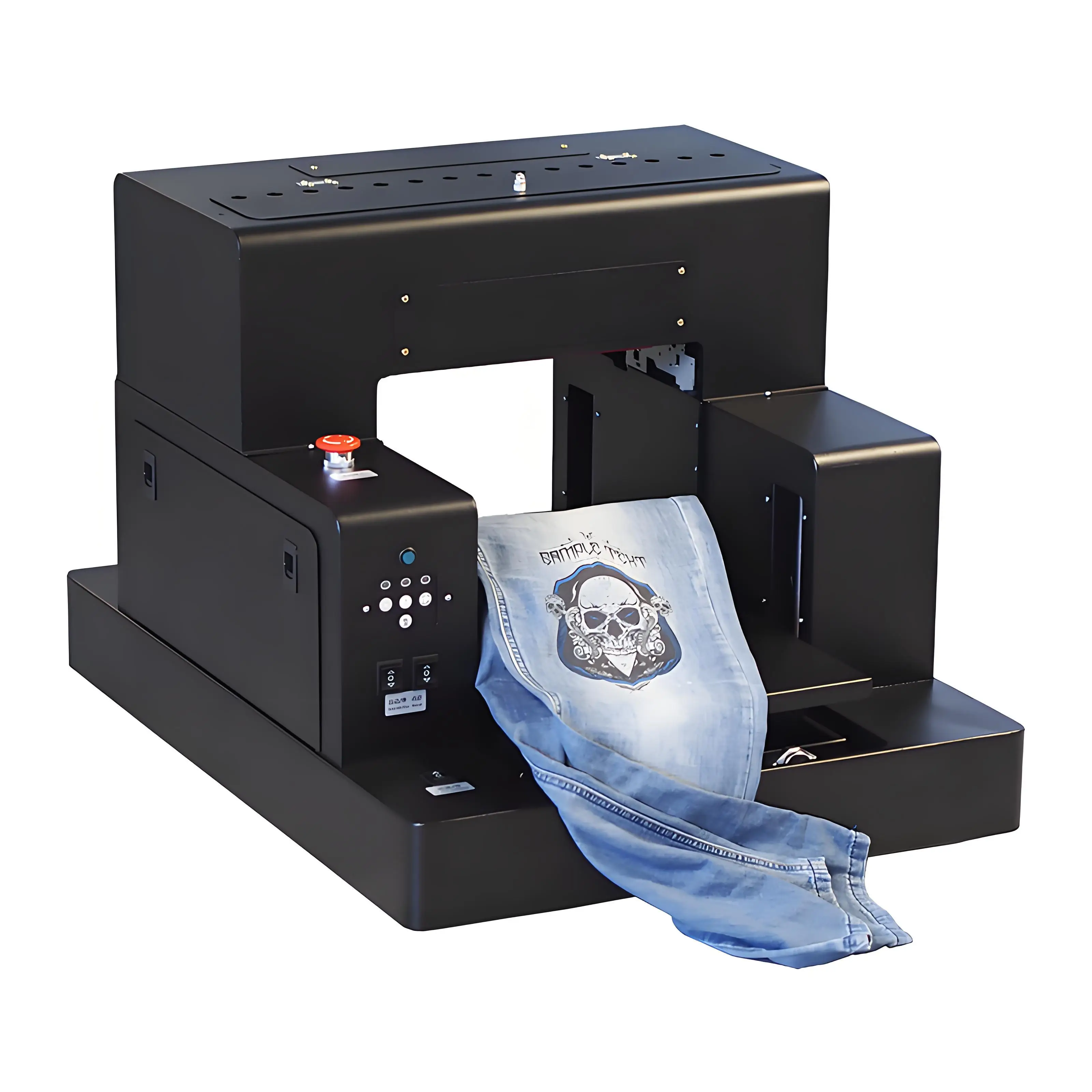
GNFEI A3 DTG Printer — T-Shirt Printing Machine
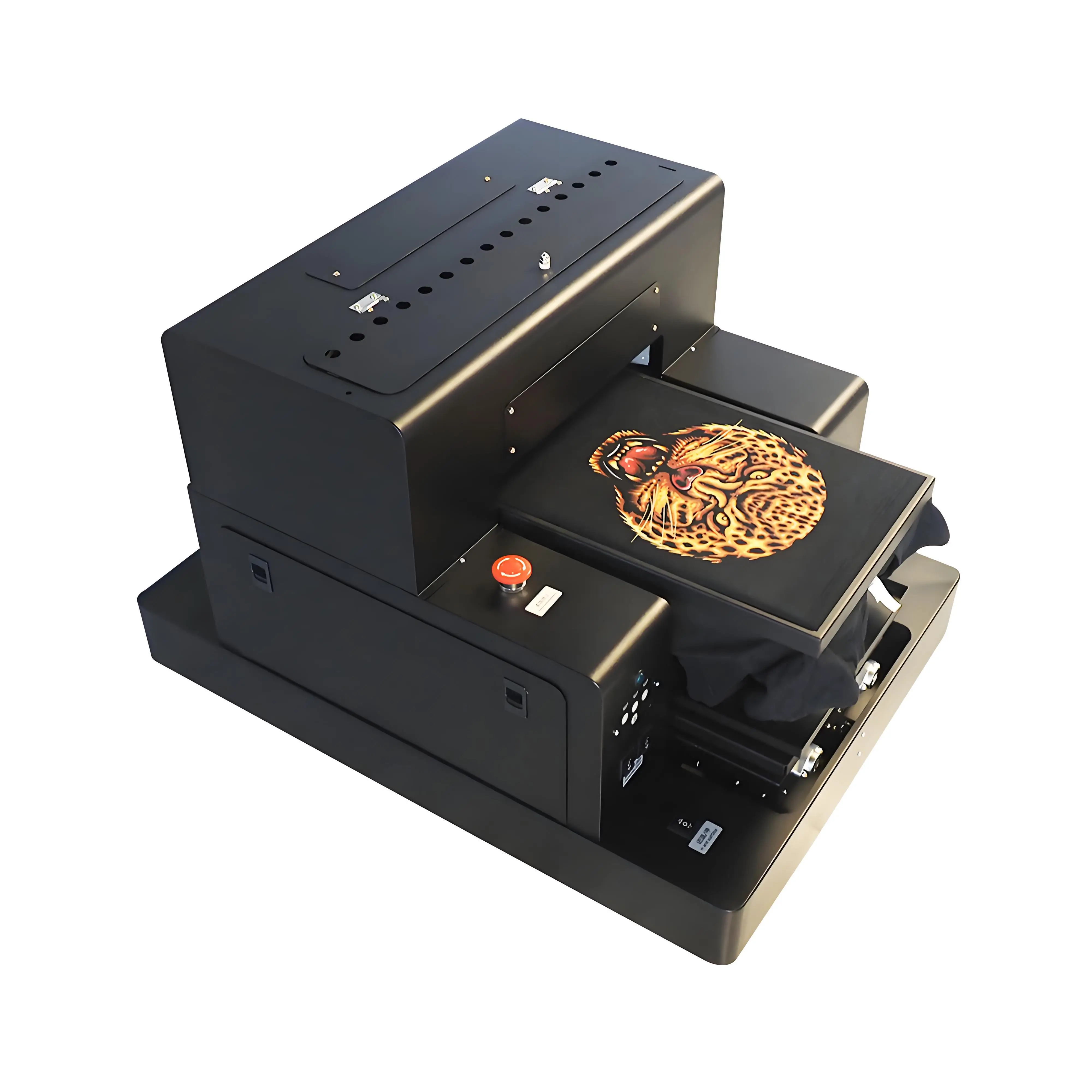
- Genuine Epson Printhead — up to 1440 DPI resolution
- CMYK + White ×2 Ink Channels — dark & light garments
- A3 + A4 Dual Format — 420 × 297 mm print area
- Auto-Cleaning White Ink Circulation System
- CE · RoHS · FCC Certified — US, EU, worldwide
- No MOQ — profitable from a single piece
- 12-month warranty + lifetime technical support
- Ships in 3–7 days via DHL/FedEx from Hong Kong
📋 Full Technical Specifications
Complete parameters to evaluate the GNFEI A3 DTG Printer against your production requirements before purchasing.
| Specification | GNFEI A3 DTG Printer — Model F85G3 |
|---|---|
| Printhead | Genuine Epson (Micro Piezo Technology) |
| Print Resolution | Up to 1,440 DPI |
| Ink System | CMYK + White ×2 (6-channel water-based ink) |
| Max Print Area | 420 × 297 mm (A3) / 297 × 210 mm (A4) |
| Print Speed (Light Garments) | 8–15 A4 pieces/hr (standard mode); up to 20+/hr (draft) |
| Print Speed (Dark Garments) | 5–10 pieces/hr (with white underbase pass) |
| Compatible Fabrics | 100% Cotton (best); Cotton-Polyester blends ≥60% cotton |
| White Ink Maintenance | Auto-circulation stirring + scheduled cleaning (startup/shutdown) |
| Compatible Software | AcroRIP, Wasatch SoftRIP, ErgoSoft |
| OS Compatibility | Windows 7, Windows 10, Windows 11 |
| Machine Dimensions | 800 × 700 × 600 mm |
| Weight | 81 kg |
| Power Supply | 110V / 220V (auto-switching) |
| Certifications | CE, RoHS, FCC |
| Warranty | 12 months hardware + Lifetime technical support |
| Lead Time | 3–5 business days from payment |
| Price Range | $1,800 – $2,500 (factory direct, no distributor markup) |
DTG vs DTF vs Screen Printing: Which Is Right for Your Business?
This is the most searched question in the printing industry in 2026. The honest answer depends on your order profile. Here's the breakdown:
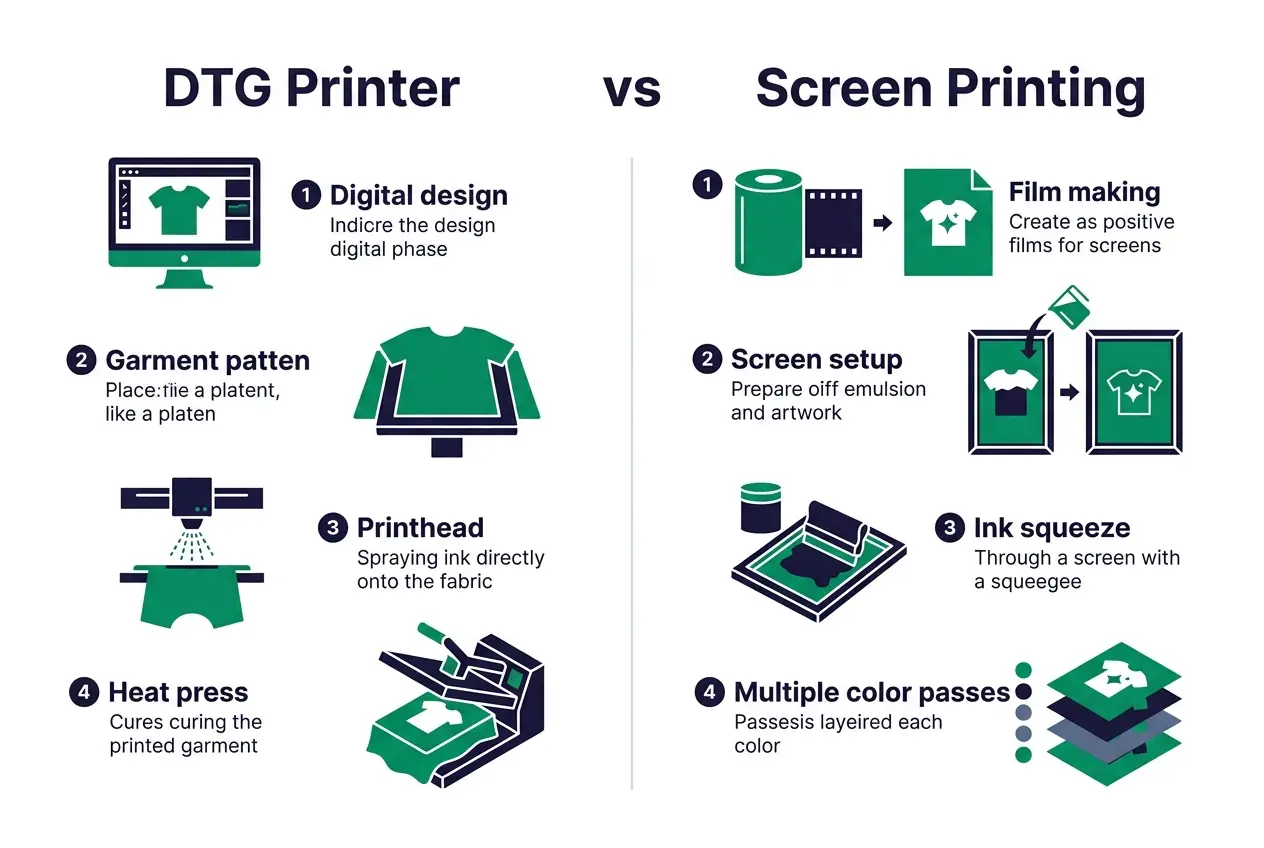
| Factor | ⭐ DTG Printer | DTF Printer | Screen Printing |
|---|---|---|---|
| Minimum Order | 1 piece | 1 piece | 50–500+ pieces |
| Setup Fees | None | None | $50–$200 per color |
| Full-Color Photographic Detail | ✓ Unlimited colors | ✓ Unlimited colors | Limited (per screen) |
| Hand Feel | ✓ Soft (ink in fibers) | Sits on fabric surface | Plasticky on top |
| Wash Durability | ✓ Excellent (300+ washes) | Good (may peel over time) | ✓ Excellent |
| Best Fabric | 100% cotton / ≥60% cotton blends | Any fabric type | Cotton and polyester |
| Dark Garment Capability | ✓ White ink underbase | ✓ White layer | ✓ Manual underbase |
| Best For | POD, small shops, e-commerce | Multi-fabric, transfers | 500+ unit bulk orders |
Bottom line for small businesses: If your orders are varied, single-piece, or short-run with complex designs — DTG is your highest-margin, lowest-risk choice. DTF is a strong alternative if you need to print on non-cotton fabrics or create transfers for resale. Screen printing only wins at bulk (500+ units) with simple, few-color designs.
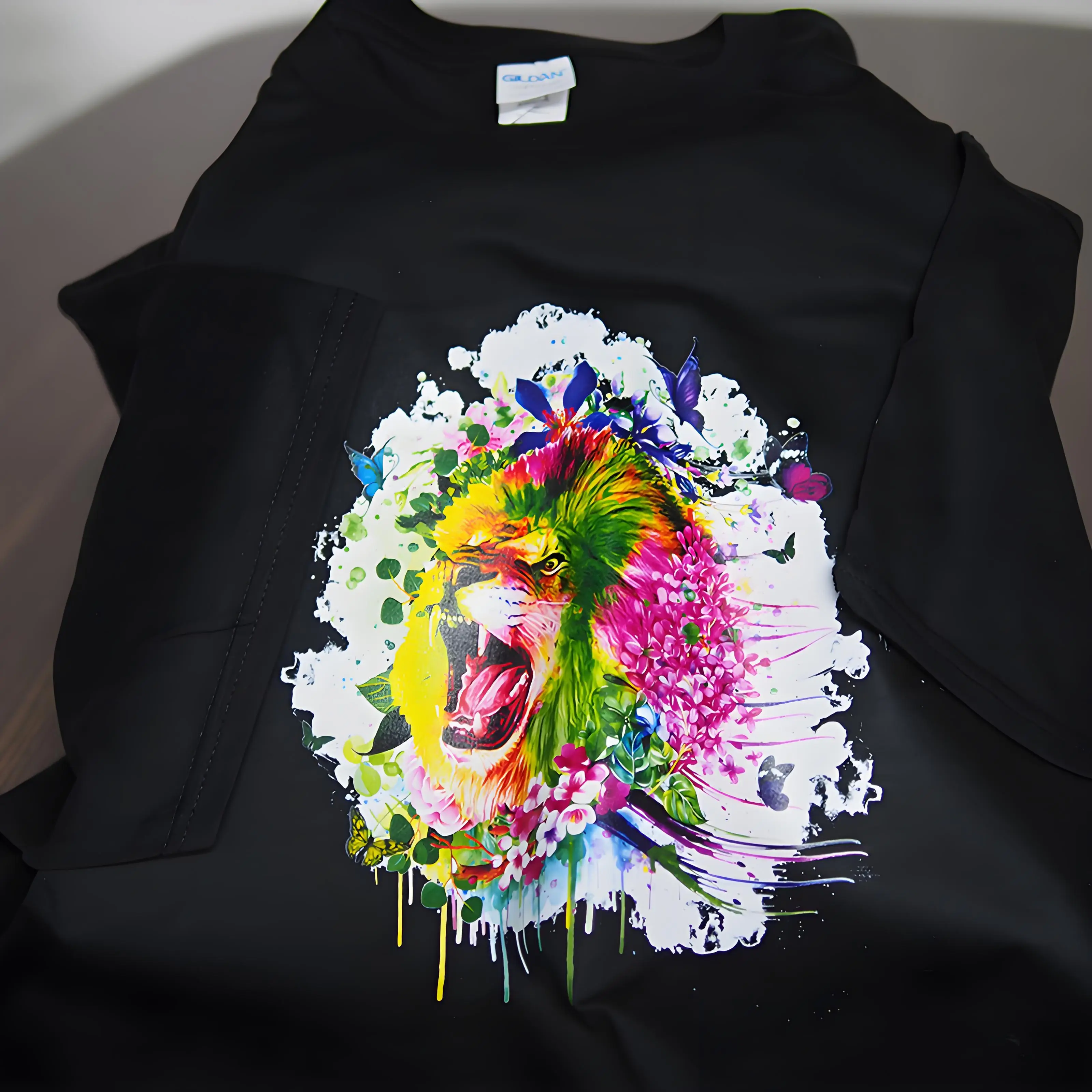
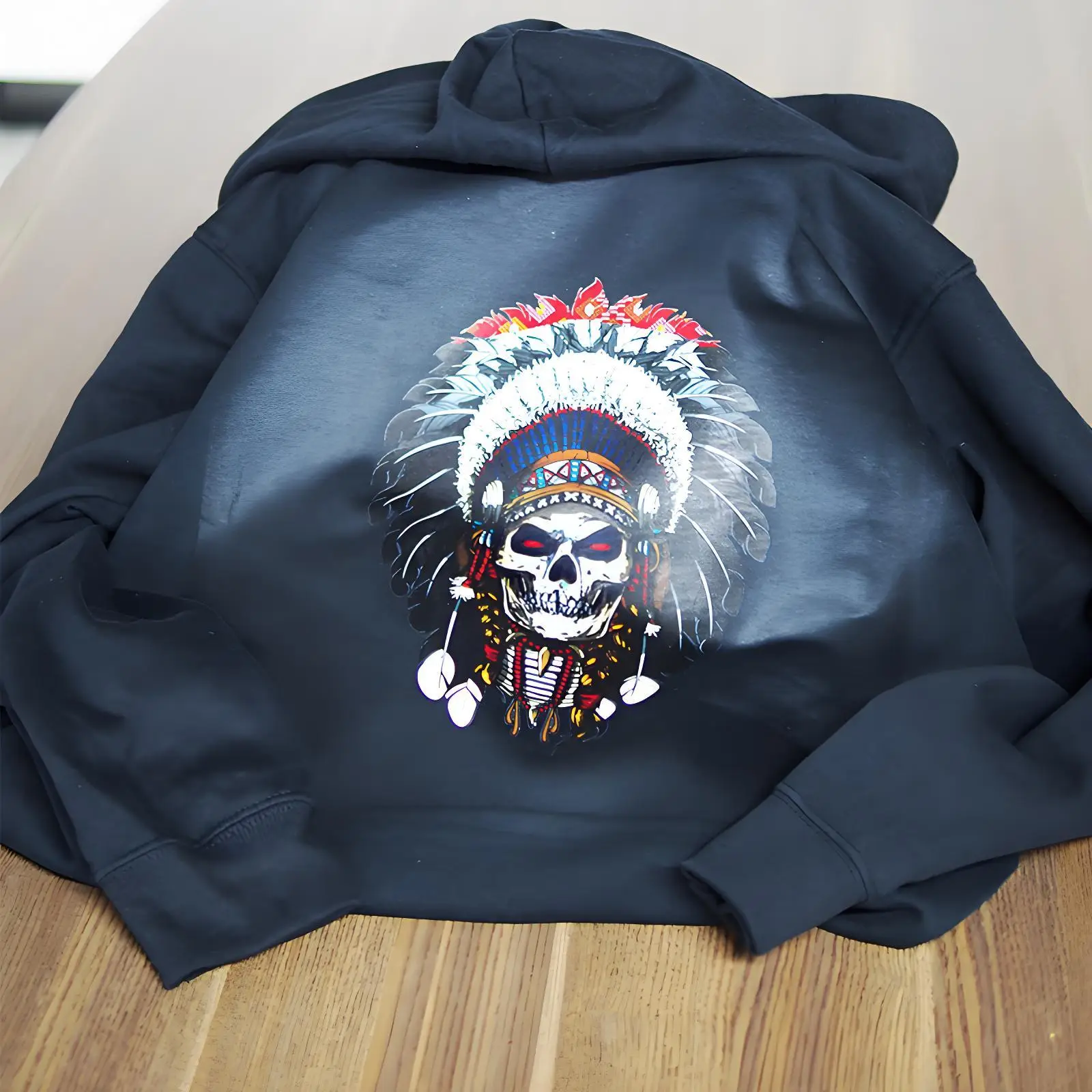
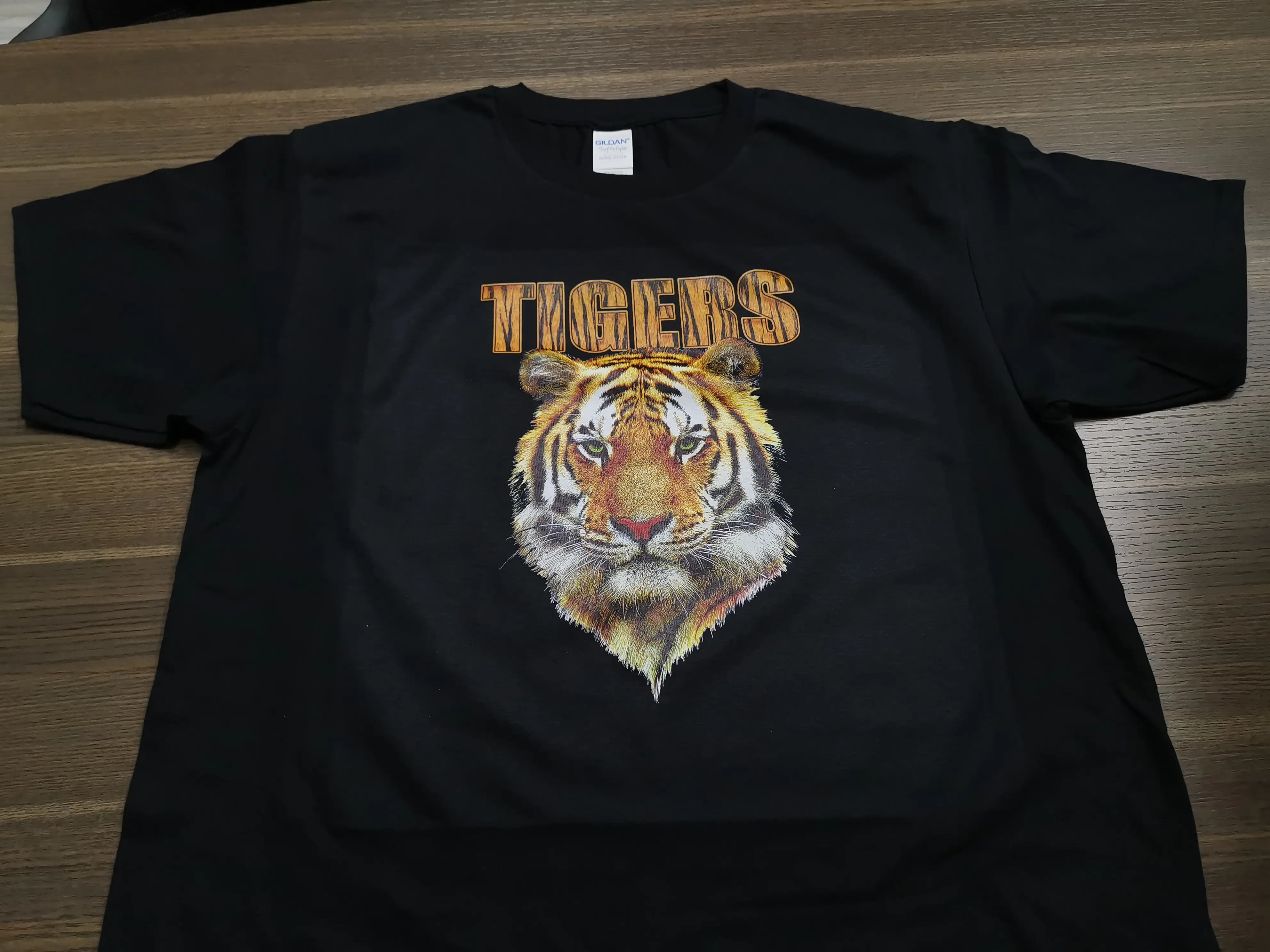
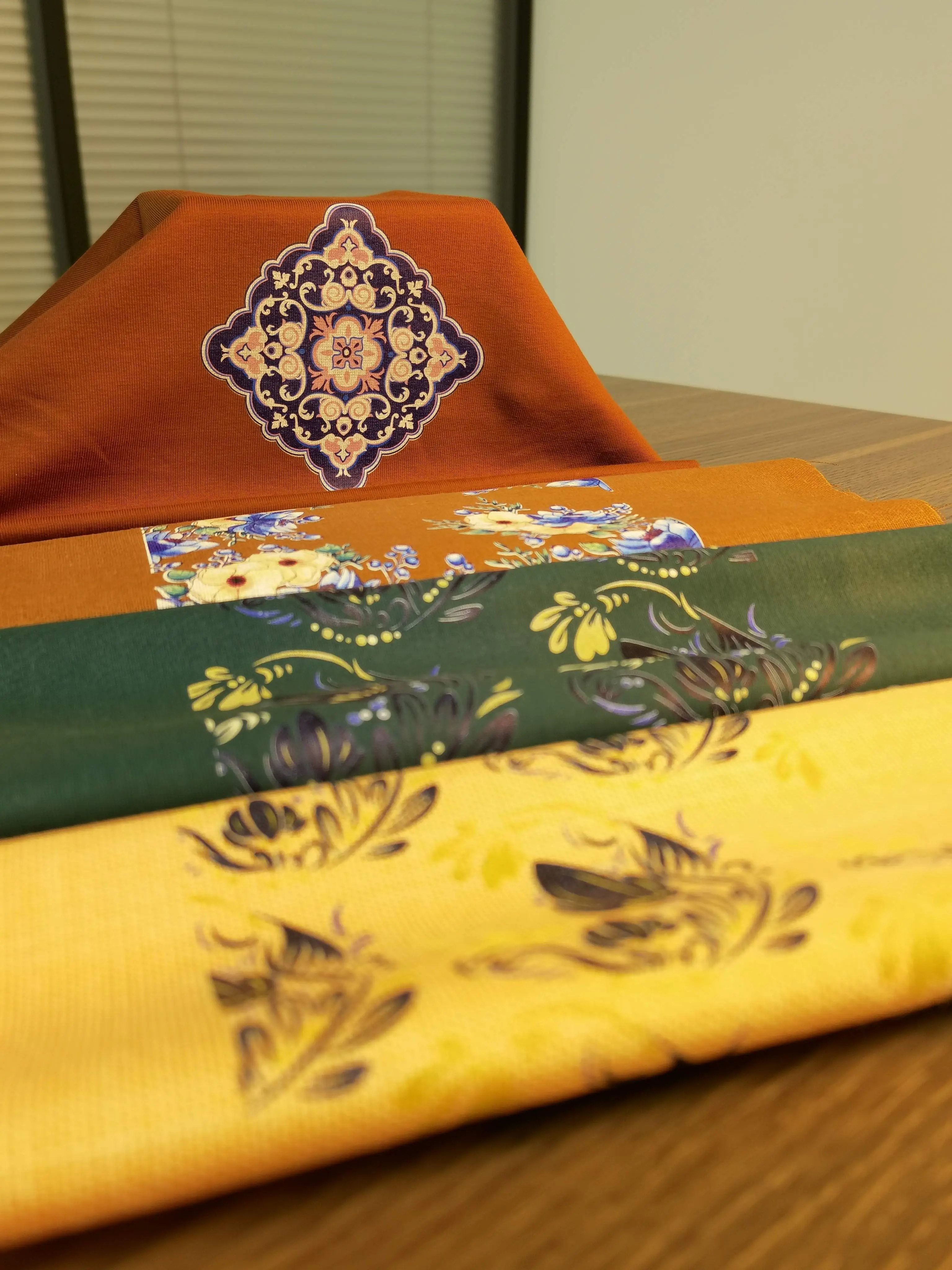
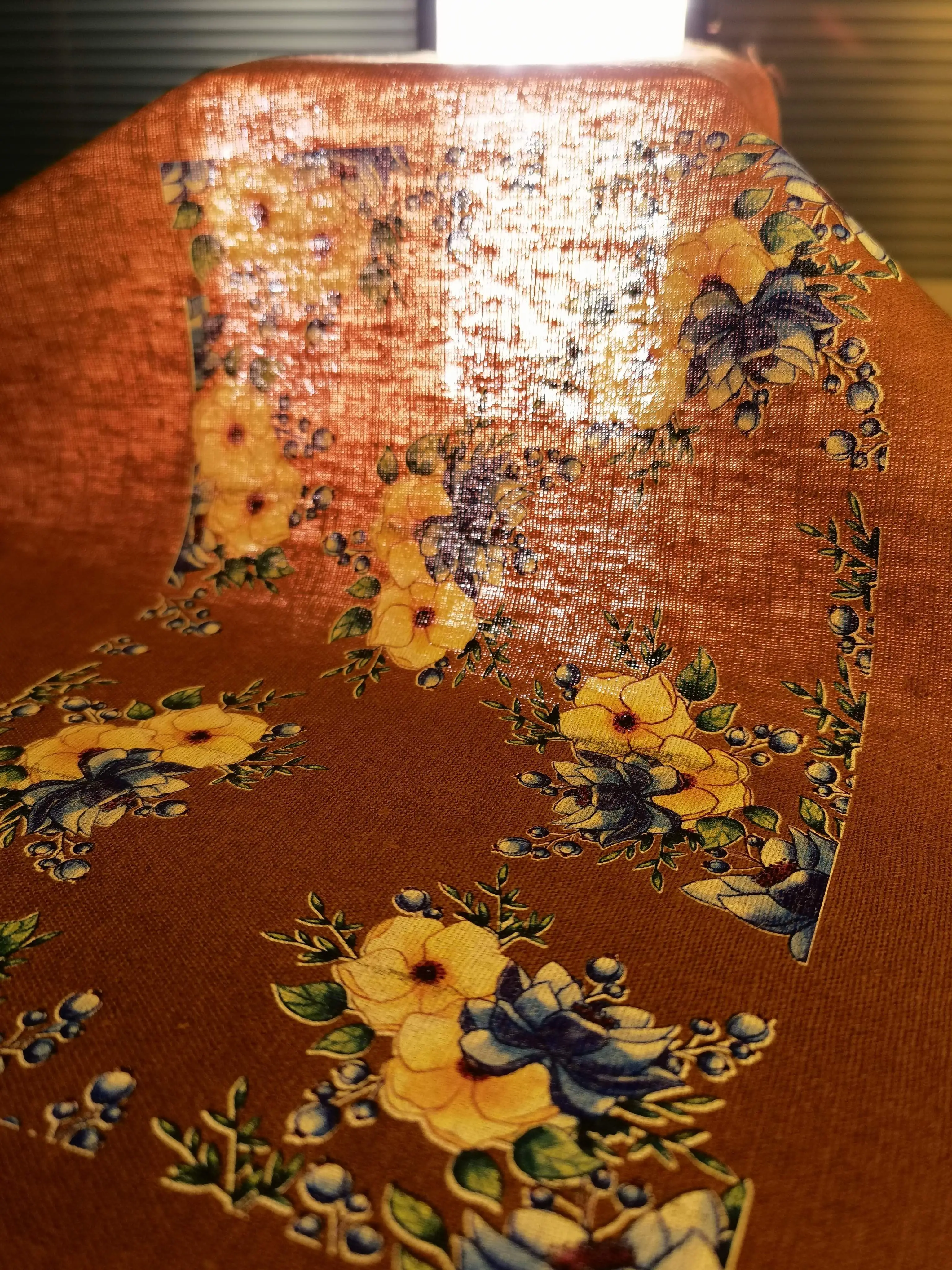
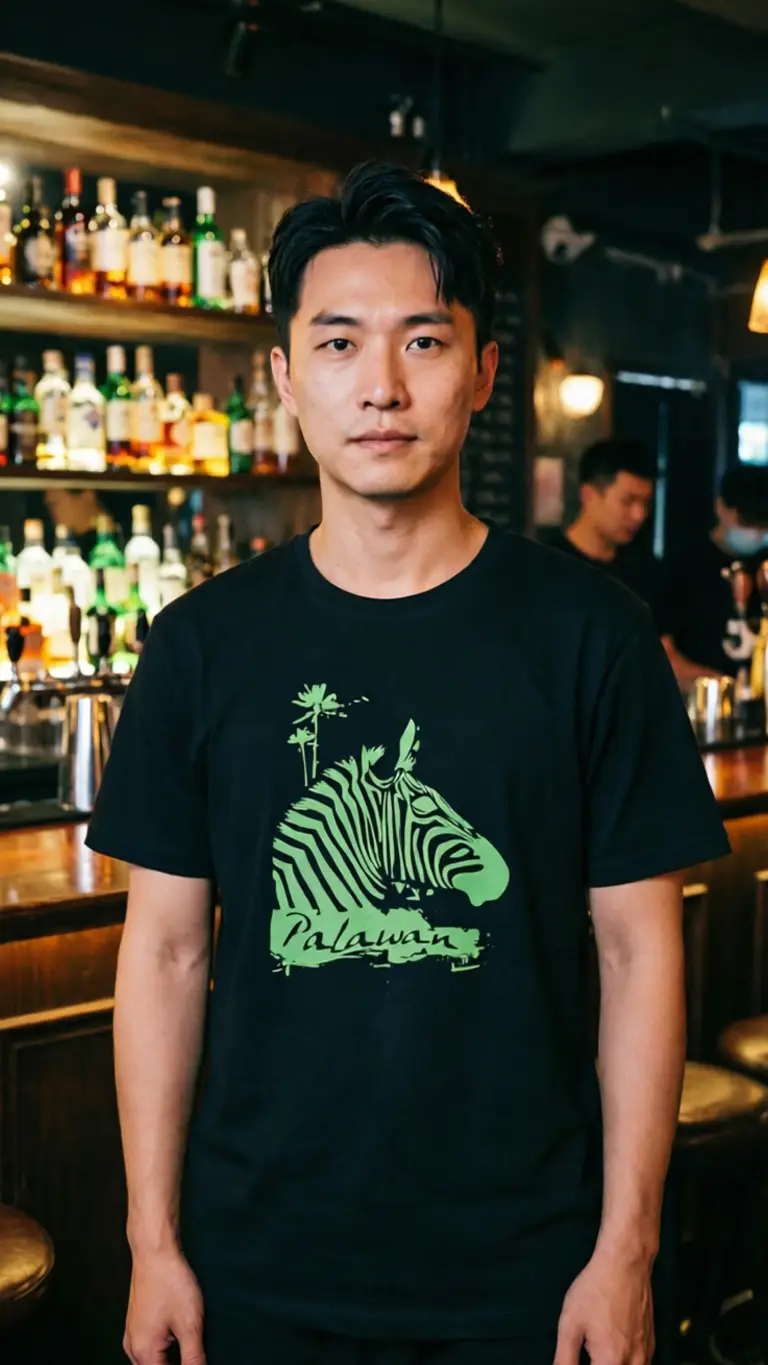
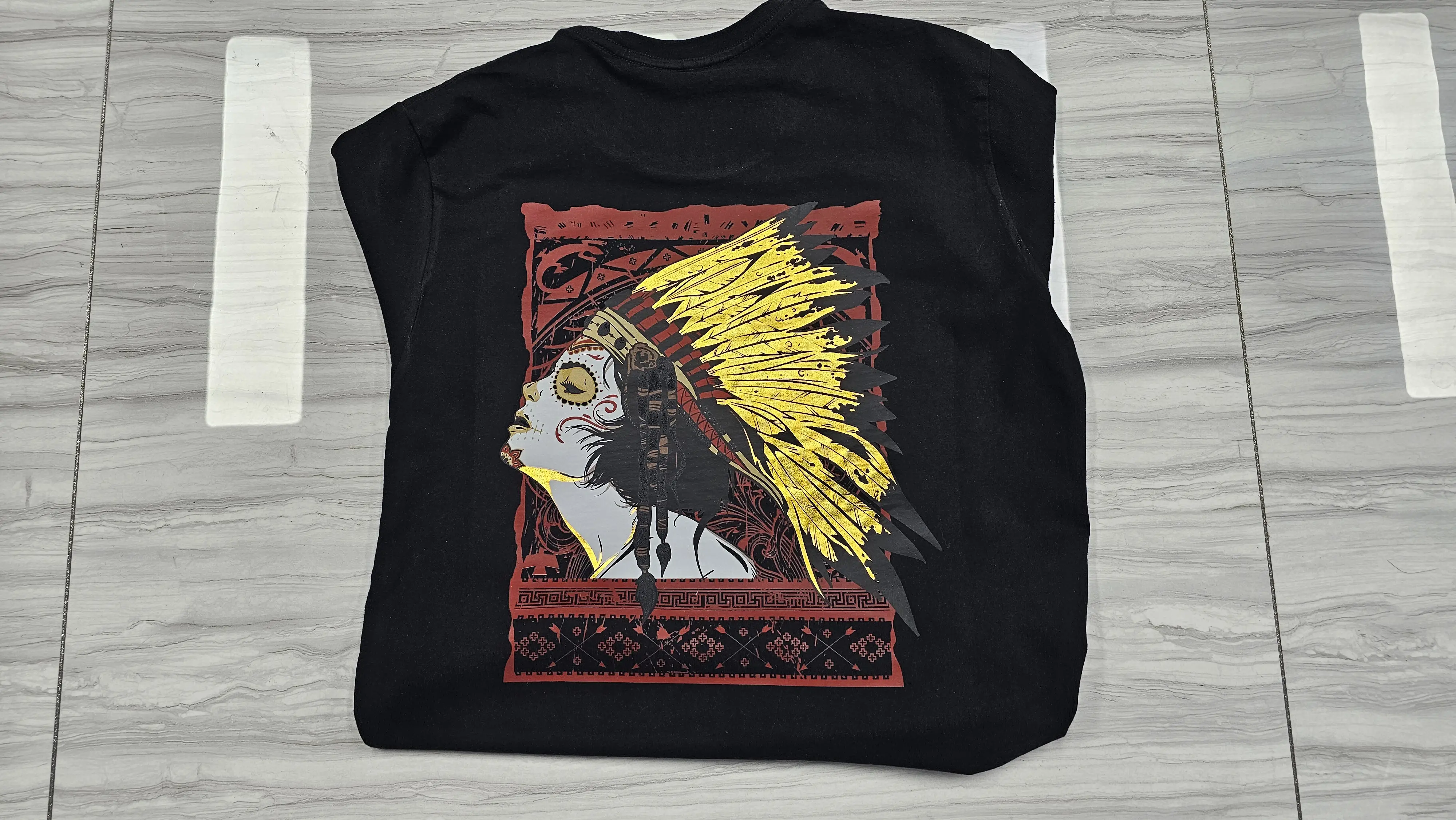
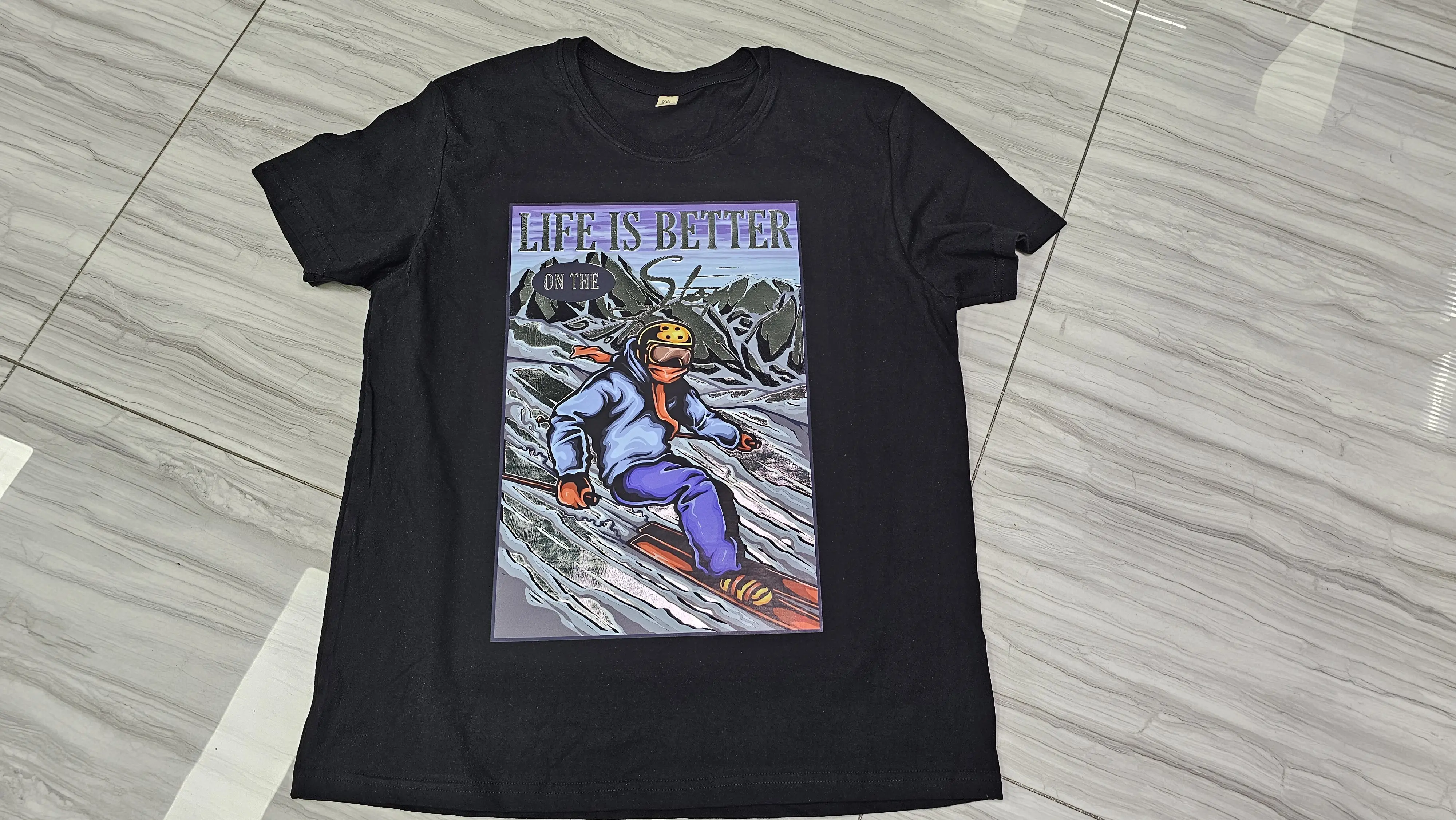
Real Print Samples — GNFEI A3 DTG Printer Output
Every garment below was printed on the GNFEI A3 DTG Printer (Model F85G3) using standard production settings. No post-processing or filters applied.
Inside the GNFEI A3 DTG Printer — Key Hardware Features
Who Should Buy a DTG Printer in 2026?
The GNFEI A3 DTG Printer serves three distinct business models — each with its own route to fast profitability.
Print-on-Demand Businesses
Connect to Shopify, Etsy, or WooCommerce and print individual orders as they arrive — zero batch minimums, zero stock waste. Every sale fulfills only what was ordered. Full-color designs delivered to customers in 1–3 days.
Local Custom T-Shirt Shops
Handle rush orders, school event shirts, corporate branded merchandise, and retail walk-ins. Compact enough for a single studio. No minimum orders means you never turn away small jobs again — and you charge premium for short runs.
E-Commerce Apparel Brands
Launch limited drops, seasonal collections, and influencer collabs without pre-ordering bulk stock. Test designs before committing to large runs. Fulfill light and dark garments with identical print quality at competitive factory-direct pricing.
DTG Printer ROI for Small Business — Real Numbers
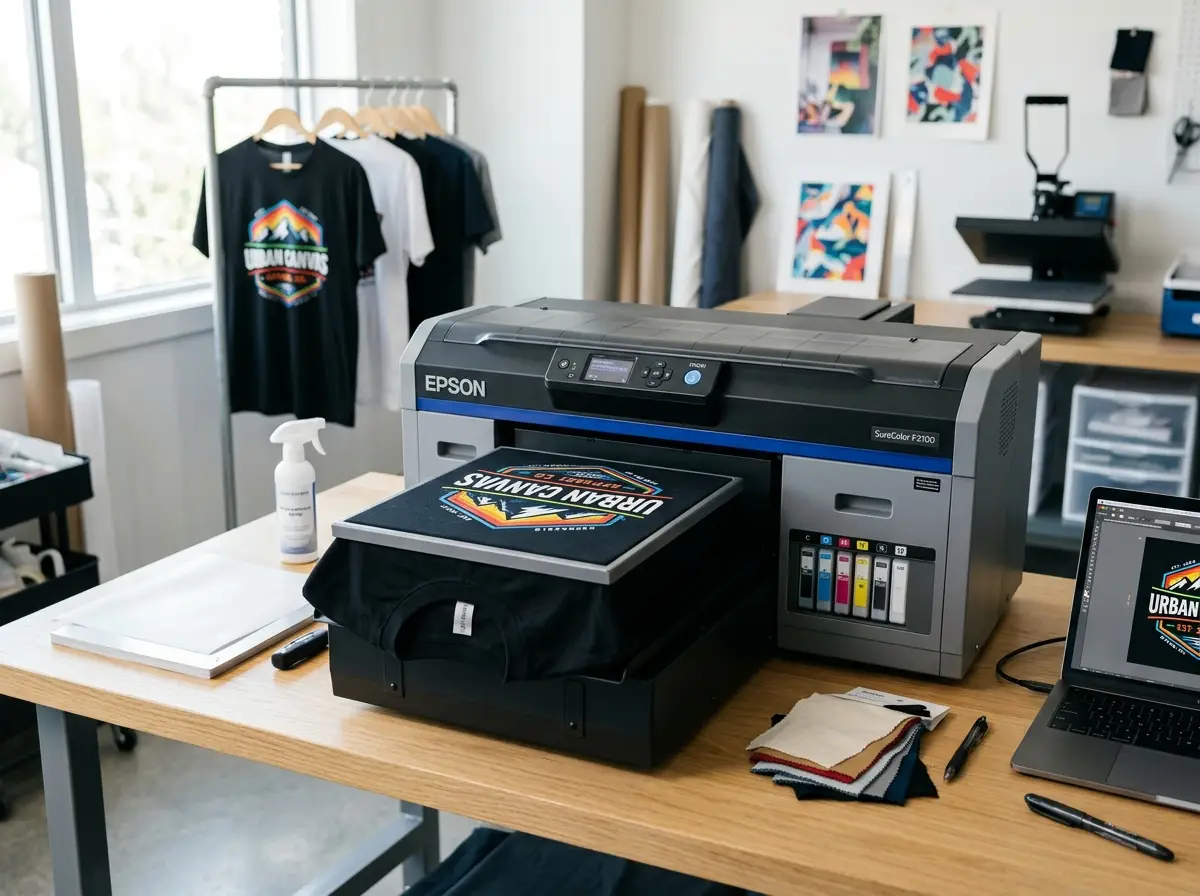
Let's run the actual math. At standard production settings for the GNFEI F85G3:
| ROI Metric | Conservative Estimate (10 shirts/day) |
|---|---|
| Machine Price | $2,200 (mid factory-direct range) |
| Avg. Sell Price per Shirt | $25–$35 |
| Avg. Cost per Shirt (ink + garment + pretreat) | $8–$12 |
| Profit per Shirt | $13–$23 |
| Daily Profit (10 shirts/day) | $130–$230 |
| Hardware Payback Period | 10–17 business days |
| Annual Profit Projection | $33,000–$58,000 (250 working days) |
The math is compelling even at conservative estimates. A business printing just 10 shirts per day recovers the hardware cost in under 3 weeks — and the F85G3 is rated for 40+ pieces per hour, meaning most small shops can handle 5–10× more volume as demand grows without additional hardware investment.
Maintenance Tips — Keep Your DTG Printer Running Profitably
The #1 cause of downtime (and ROI destruction) in DTG printing is white ink clogging. Here's how the GNFEI F85G3's built-in systems prevent it — and what you should do daily.
Run Nozzle Check Every Morning
Before starting production, print a nozzle check pattern. All nozzles should fire clean. If you see missing lines, run one auto-cleaning cycle — this resolves 95% of clogs without manual intervention.
Rely on the Auto-Cleaning Circulation
The F85G3's automatic white ink stirring and circulation prevents pigment from settling during standby — the most common cause of clogging on cheaper machines. The system runs automatically on startup and shutdown.
Print at Least Once Per Day
Even if you have no orders, print a small test piece or flush the printhead. DTG printers stay healthiest when used regularly. Extended idle periods (3+ days) should always be followed by a cleaning cycle before production.
Use GNFEI-Compatible Inks Only
Third-party inks may have different pigment formulations that clog the printhead or produce color-shift after curing. Stick to GNFEI-certified DTG inks for consistent color profiles and warranty compliance.
❓ Frequently Asked Questions
What is the best DTG printer for small business in 2026?
The GNFEI A3 DTG Printer (Model F85G3) is consistently rated among the best DTG printers for small business in 2026. It features a genuine Epson printhead, CMYK + White ink system, A3 print area (420×297mm), auto-cleaning white ink system, and factory-direct pricing between $1,800–$2,500 — with no distributor markup. CE, RoHS, and FCC certified for US and EU markets.
How much does a DTG printer cost for a small business?
Entry-level DTG printers typically range from $1,800–$6,000. The GNFEI A3 DTG Printer is factory-direct priced at $1,800–$2,500, making it one of the most competitive commercial-grade options available. Mid-range machines cost $7,000–$15,000. Hidden costs to include: pretreatment solution (~$40–80/liter), ink replenishment (~$50–120 per color set), and maintenance kits.
Is a DTG printer worth it for a small business in 2026?
Yes — decisively. At a typical margin of $13–$23 per custom t-shirt, a small business printing just 10 shirts per day recovers hardware cost in under 17 business days. DTG printing eliminates minimum order requirements, screen setup fees, and inventory risk — making it the highest ROI entry point for custom apparel in 2026.
What fabric works best for DTG printing?
100% combed ring-spun cotton gives the best DTG results with the softest hand feel. Cotton-polyester blends work well when cotton content is 60% or higher. Avoid pure polyester, nylon, and waterproof or stain-resistant coated fabrics — these prevent ink bonding without specialized pretreatment protocols.
Can a DTG printer print on dark shirts?
Yes. The GNFEI A3 DTG Printer uses a dual-channel white ink system that automatically applies an opaque white underbase before the CMYK color pass, producing vivid full-color results on black, navy, and dark garments. Always pretreat dark garments before printing for optimal ink adhesion.
DTG vs DTF vs screen printing — which is best for small business?
DTG is best for full-color single-piece orders on cotton with premium soft hand feel. DTF works on more fabric types but prints sit on top of fabric and can peel over time. Screen printing only wins at 500+ piece runs with simple designs. For most custom print businesses and print-on-demand operations, DTG delivers the best combination of quality, flexibility, and ROI in 2026.
How do I prevent my DTG printer from clogging?
The GNFEI A3 DTG Printer has a built-in auto-cleaning system that runs on startup, shutdown, and configurable production intervals — preventing white ink from settling and clogging the printhead even after weekend downtime. Additional tips: print daily (even test patches), run nozzle checks every morning, and use only certified DTG inks.
How fast is the GNFEI A3 DTG Printer?
At standard settings, the F85G3 produces 8–15 light-fabric A4 prints per hour, or 5–10 dark-fabric prints per hour (which require a white underbase pass). At high-speed draft mode, output can reach 20+ pieces per hour on light garments. Most small shops processing 50–100 orders per day can handle that volume with a single machine and operator.
What RIP software does this DTG printer use?
The GNFEI A3 DTG Printer is compatible with AcroRIP, Wasatch SoftRIP, and ErgoSoft — the three most widely used RIP solutions in professional DTG production. Works with design files from Adobe Photoshop, Illustrator, and CorelDRAW on Windows 7, 10, and 11. Full RIP setup and color profiling support is included with purchase.
What warranty and support comes with the GNFEI DTG printer?
Every GNFEI A3 DTG Printer ships with a 12-month hardware warranty covering the Epson printhead, mainboard, platen motor, and mechanical components, plus lifetime technical support via WhatsApp, email, and video call in English, Spanish, and Chinese. Replacement parts and consumables ship worldwide within 48 hours from the Hong Kong warehouse via DHL, FedEx, or UPS.