DTG Printer Price Comparison: Entry-Level vs. Industrial Systems | GNFEI
DTG Printer Price Comparison: Entry-Level vs. Industrial Systems
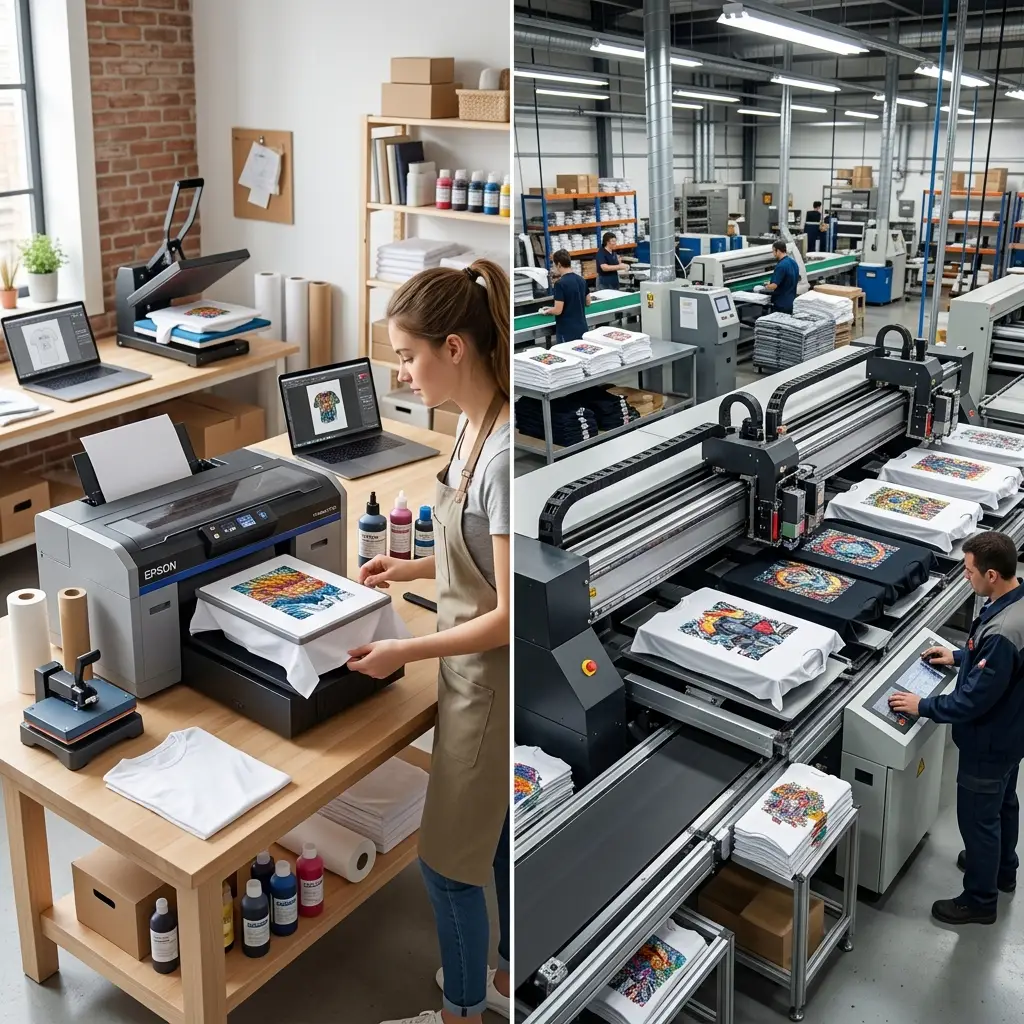
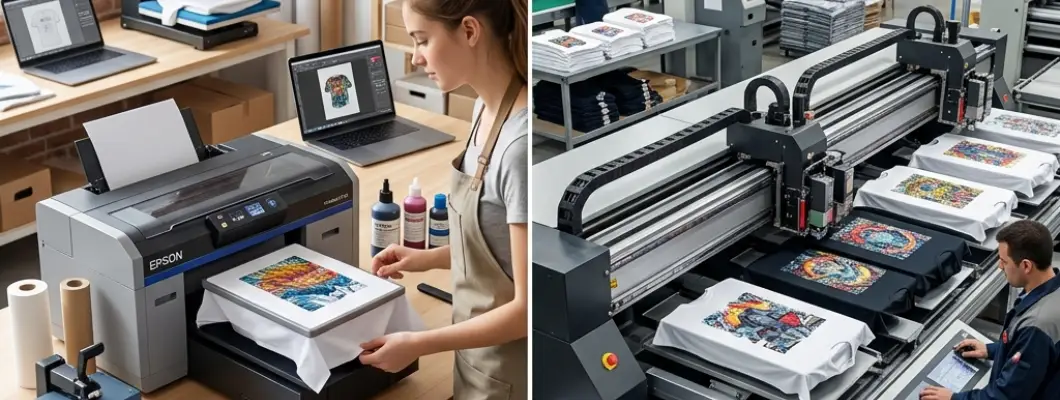
Entering the custom apparel market with Direct-to-Garment (DTG) printing requires making a critical capital decision: should you start with an entry-level desktop DTG printer, or invest in an industrial-grade production system? The price difference is staggering—ranging from under $2,000 for factory-direct desktop units to over $50,000 for multi-platen commercial setups.
This comprehensive guide breaks down the performance characteristics, printhead technology, and total cost of ownership (TCO) between these two tiers. We will analyze the return on investment (ROI) timelines to help your custom printing business select the most profitable hardware configuration.
1. Price and Performance Matrix
The gap between entry-level and industrial DTG hardware is defined by print volume capacity, printhead configurations, and initial capital requirements. For small businesses, buying an over-powered machine too early can drain vital cash reserves, while under-sizing your hardware can create production bottlenecks.
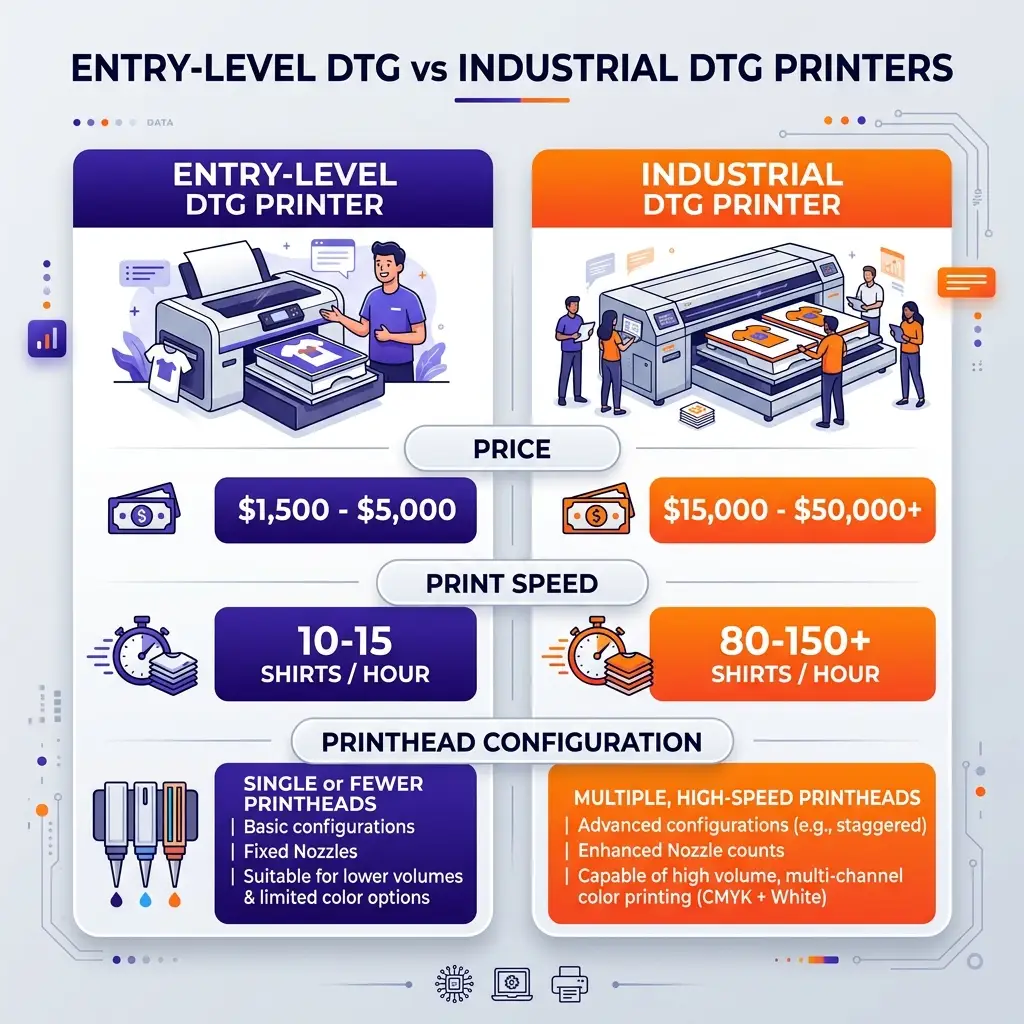
Figure 1: Price, speed, and printhead technology comparison of DTG tiers
| Feature | Entry-Level Desktop DTG | Industrial Production DTG |
|---|---|---|
| Typical Price Range | $1,500 – $5,000 | $15,000 – $50,000+ |
| Average Printing Speed | 10 – 15 T-shirts per hour | 80 – 150+ T-shirts per hour |
| Daily Duty Cycle | 30 – 100 prints per day | 500 – 2,000+ prints per day |
| Printhead Tech | Single multi-channel Epson micro-piezo | Multiple staggered industrial heads (Ricoh/Kyocera) |
| Facility Requirements | Standard household power, table space | 220V 3-phase power, climate control, ventilation |
2. Entry-Level Desktop DTG: Best for Custom Startups
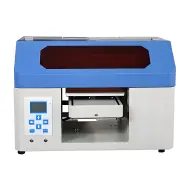
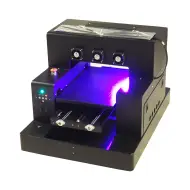
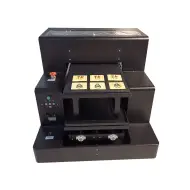
Entry-level desktop DTG printers (like the **GNFEI F85G3**) are designed to lower the barrier of entry for custom apparel brands, print-on-demand e-commerce shops, and custom boutiques. Utilizing precision Epson printheads combined with advanced white ink circulation systems, these desktop units print with the exact same resolution and wash durability as industrial systems, but at a fraction of the cost.
Operating at a speed of 10 to 15 prints per hour, they are optimized for custom one-offs, small batch orders, and print-on-demand fulfillment. Because they use standard electricity and require minimal maintenance, they can be operated out of a home workshop or small boutique retail space.
3. Industrial DTG Systems: Engineered for High-Volume Factories
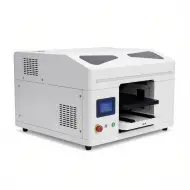
Industrial DTG printers are built for mass-production environments that run continuously for 16 to 24 hours a day. These systems are massive, weighing hundreds of kilograms, and utilize multiple staggered printheads. They feature dual or quad automatic loading platens, automatic height calibration, and integrated inline conveyor dryers.
While their print speeds (over 100 shirts per hour) are impressive, they come with substantial overheads. Beyond the $20,000+ purchase price, owners must invest in professional commercial ventilation, dedicated 3-phase power supply, climate control systems (to maintain 50% relative humidity), and high-output automated pretreatment machines.
4. Total Cost of Ownership (TCO) and ROI Analysis
To understand the true cost difference, businesses must look past the initial hardware price and analyze the return on investment timeline:
- Capital Outlay and Risk: An industrial system requires a massive upfront investment. If order volume is low, the machine stands idle, causing ink waste through automatic maintenance cycles. An entry-level machine under $2,000 poses almost zero financial risk.
- Payback Timeline: If you print 20 custom T-shirts per day with a profit margin of $10 per shirt, you generate $200 in profit daily. With a factory-direct desktop printer costing $1,800, you will **fully recover your hardware investment in 9 working days**. An industrial setup costing $25,000 would take over 125 working days just to break even on hardware.
- Maintenance Expenses: Industrial printheads are extremely expensive to replace (often costing $2,000+ per head). Desktop printheads are inexpensive and easy to replace, keeping long-term maintenance costs predictable.
5. Best Factory-Direct Solution: GNFEI F85G3 A3 DTG Printer
For startups and custom print shops looking to offer premium direct-to-garment apparel printing without taking on massive financial risk, the **GNFEI F85G3 A3 DTG Printer** is the ideal solution. It combines professional print results with an accessible factory-direct price under $2,000.
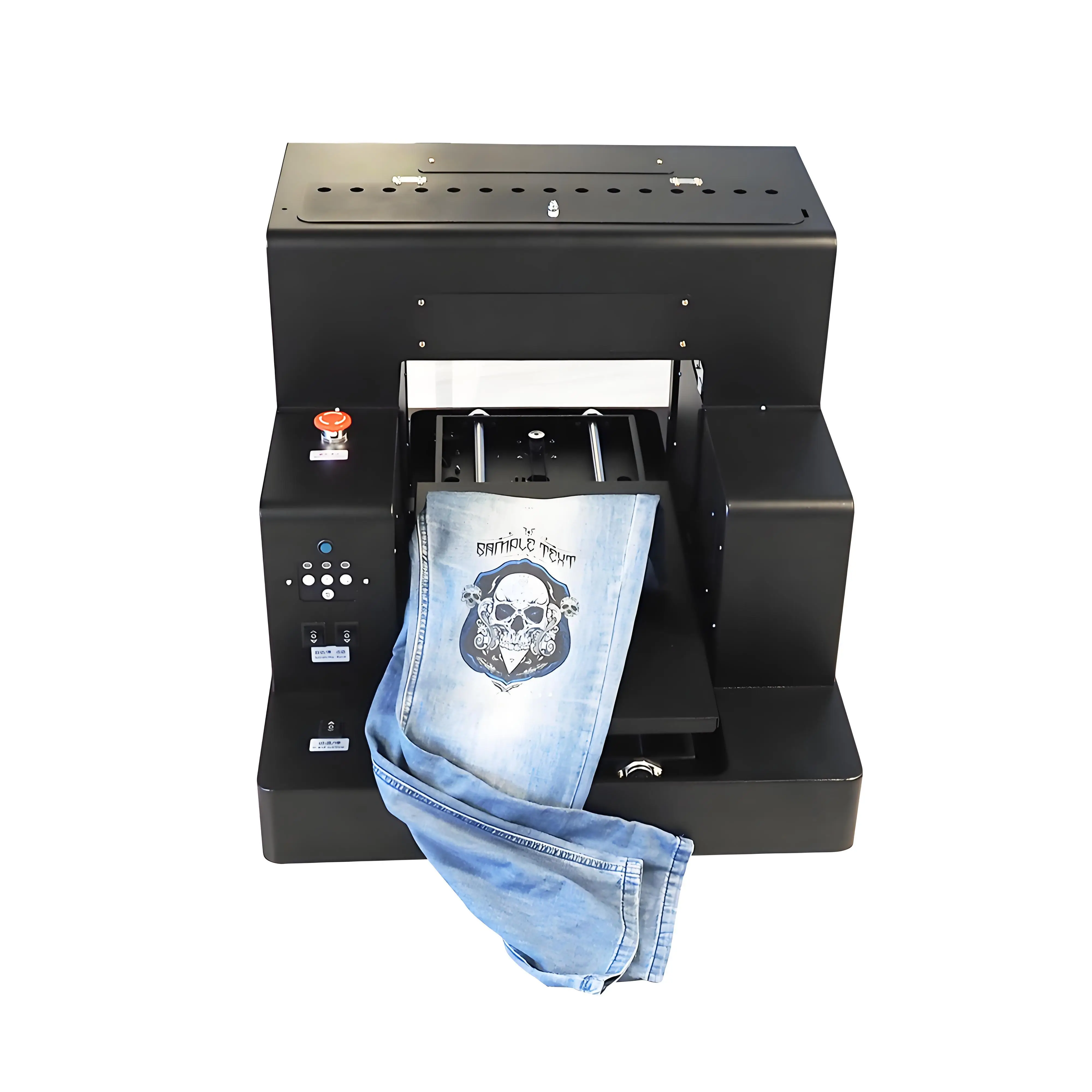
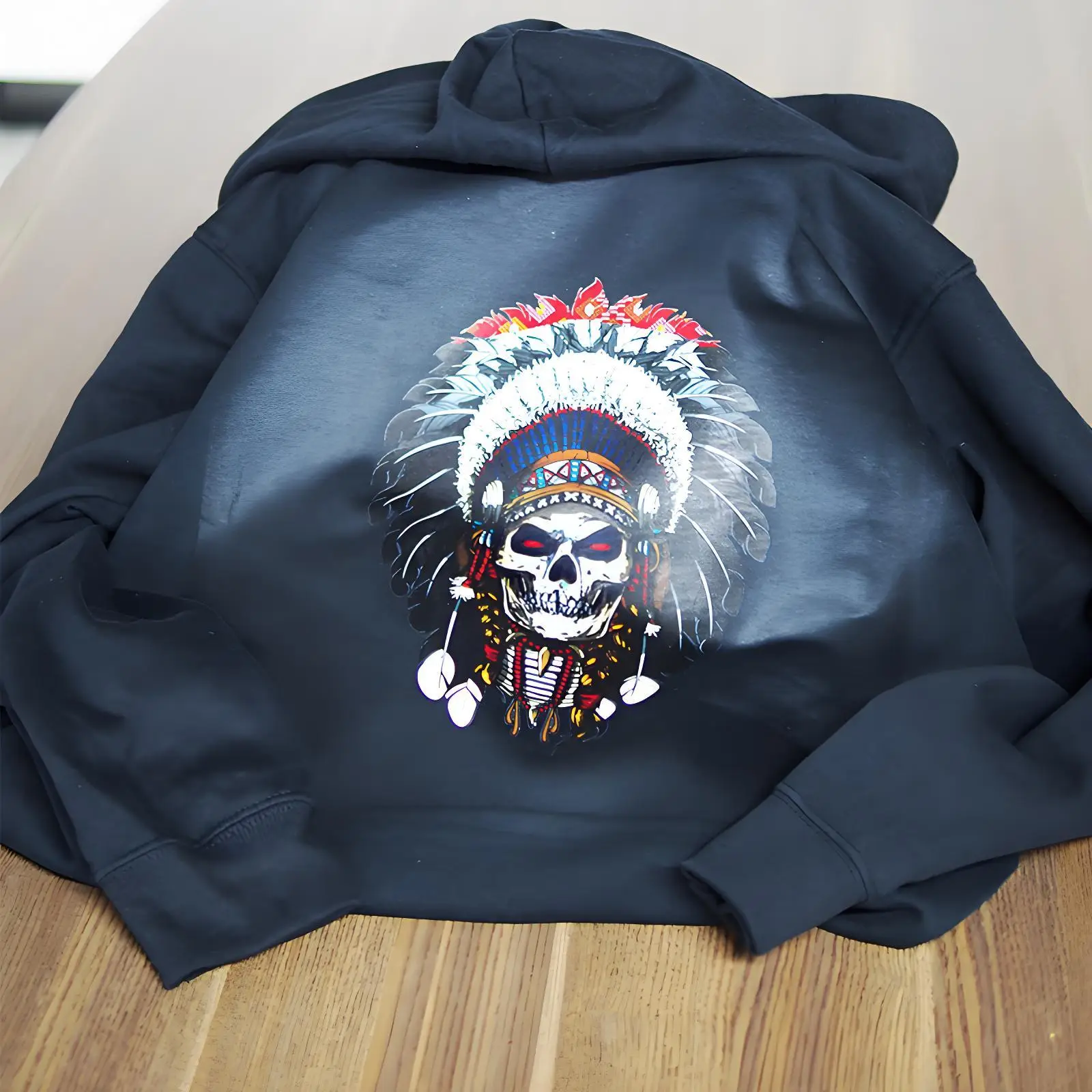
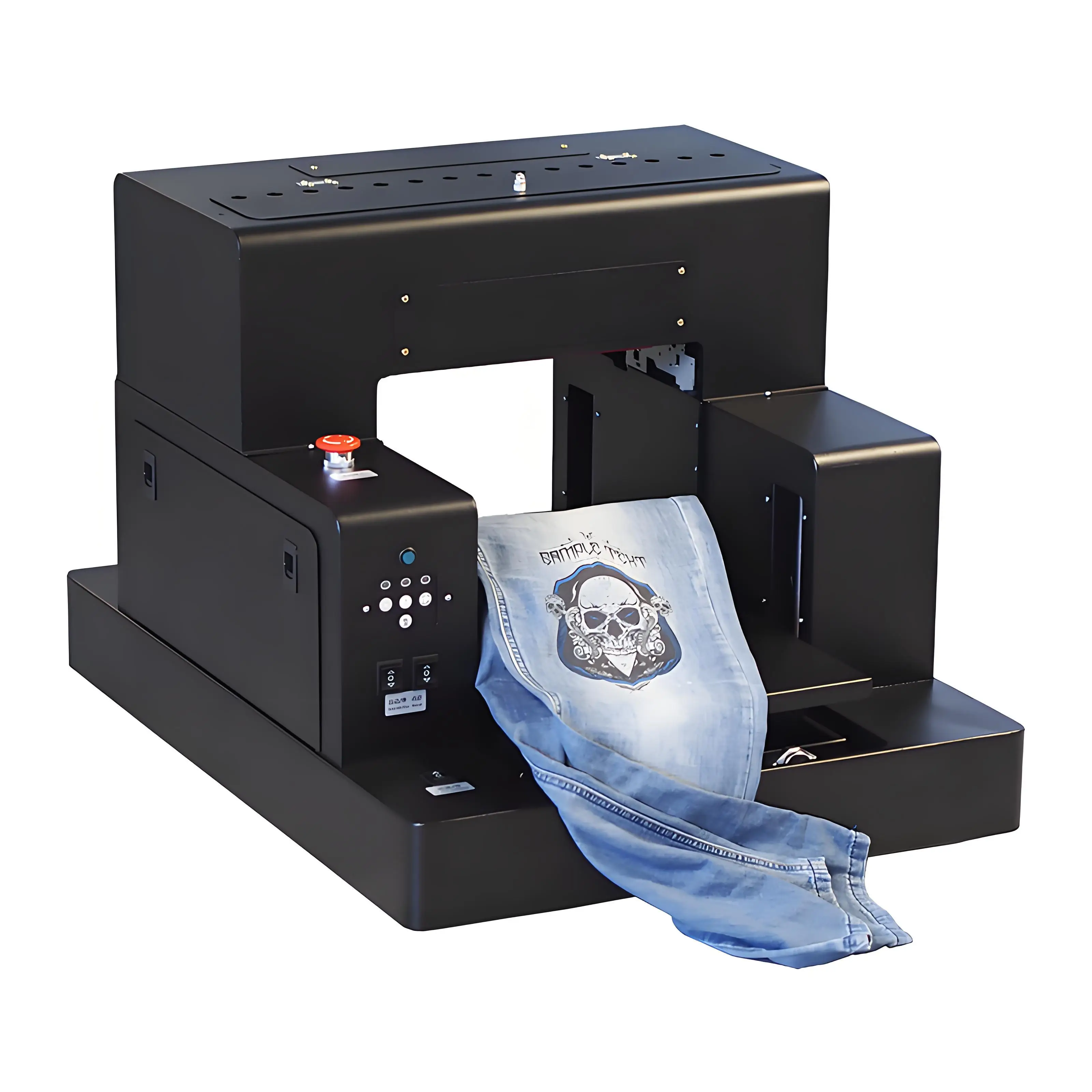
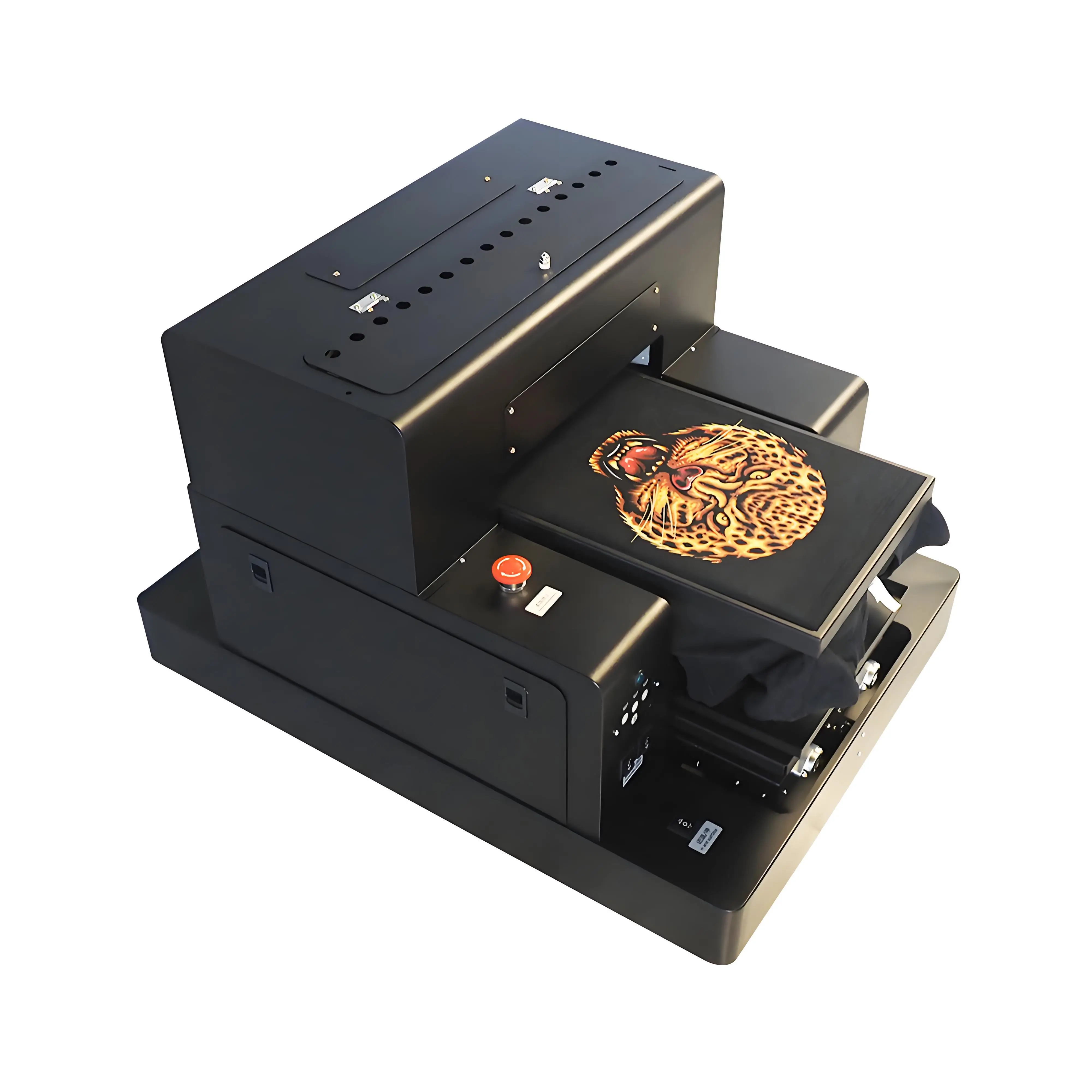
GNFEI A3 DTG Printer T-shirt Printing Machine
- High-resolution 1440 DPI printing directly on cotton fibers
- Smart infrared automatic printhead height sensor
- Active white ink circulation system preventing nozzle clogging
- Extremely low operating cost (~$1.50 ink cost per dark shirt)
6. Final Decision: Which Should You Choose?
If your shop has contract print orders of 500+ shirts daily and you run multi-shift operations, an industrial DTG printer is a necessity. However, if you are a custom startup, boutique shop, or e-commerce brand printing under 100 shirts daily, a factory-direct desktop DTG printer is by far the most profitable choice. It delivers identical high-resolution print quality with zero financial risk and a payback timeline measured in days, not years.
Frequently Asked Questions (FAQ)
What is the primary price difference between entry-level and industrial DTG printers?
Entry-level desktop DTG printers typically cost between $1,500 and $5,000, making them ideal for small businesses and custom startups. In contrast, industrial DTG printers range from $15,000 to over $50,000, designed for high-volume factories requiring continuous multi-shift operation.
How does printing speed compare between desktop and industrial DTG setups?
Entry-level desktop DTG printers produce about 10 to 15 custom T-shirts per hour, which is perfect for on-demand orders and custom boutique shops. Industrial models feature multiple large printheads and automatic platens, enabling speeds of 80 to over 150 prints per hour.
Which type of DTG printer offers a faster return on investment (ROI) for startups?
For custom print startups, factory-direct desktop DTG printers like the GNFEI F85G3 offer a significantly faster ROI. With an initial equipment cost under $2,000, a shop printing 15 to 20 shirts per day can recoup their entire investment in just 3 to 5 weeks, compared to several months or years for industrial systems.
Are there hidden installation costs for industrial DTG printers?
Yes. Industrial DTG systems require dedicated 220V electrical wiring, heavy-duty ventilation, industrial-grade climate control, large commercial heat presses, and automated pretreatment machines. Entry-level desktop models can operate on standard household power in small spaces.
How does printhead technology differ between desktop and industrial DTG machines?
Entry-level desktop models typically use a single multi-channel Epson micro-piezo printhead, which splits channels between CMYK and White ink. Industrial models use multiple staggered industrial printheads (like Ricoh or Kyocera) where separate heads are dedicated exclusively to white and color channels, allowing much higher speed and durability.
Can entry-level desktop DTG printers print on black or dark garments?
Yes. With active white ink circulation and RIP software control, entry-level desktop DTG printers can lay down a solid white ink underbase first, and then print the CMYK color layer on top. This produces vibrant, high-contrast results on black, navy, and dark garments.
What are the climate and humidity requirements for operating a DTG printer?
All DTG printers require strict environmental control to prevent ink drying inside nozzles. The ideal room temperature is between 20°C and 28°C (68°F to 82°F) and the relative humidity must be maintained between 50% and 70%. Using a humidifier in dry seasons is highly recommended.
How long do prints from desktop DTG printers last in the wash?
When printed with high-quality textile inks and cured correctly (using a heat press at 160°C/320°F for 90 seconds), prints from desktop DTG printers last 50+ washes. They maintain excellent elasticity, color vibrancy, and soft hand feel, matching industrial standards.
Is specialized RIP software required for entry-level DTG printers?
Yes. Specialized Raster Image Processor (RIP) software is required to generate the white ink underbase mask, control ink density, manage color profiles, and adjust printhead nozzle configurations. Desktop printers like the GNFEI F85G3 include professional RIP software.
What is the ink consumption cost per shirt on a desktop DTG printer?
On a standard desktop DTG printer, ink consumption cost ranges from $0.40 to $0.60 for light T-shirts (CMYK only), and $1.20 to $1.80 for dark T-shirts (requiring a white ink underbase). This low cost ensures high profit margins on custom garment pricing.