Equipment Replacement Cadence Shrinks Technical and Financial Impact

Industrial Impact of Shortening Equipment Replacement Cycles
Industry data shows the average lifespan of wide-format printing equipment is decreasing from 7-10 years to roughly 4-6 years. This trend forces print service providers to reevaluate technology investment strategies amid rapid innovation cycles. The pressure to maintain cutting-edge capabilities while controlling costs grows significantly.
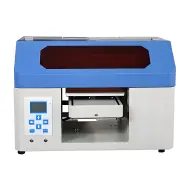
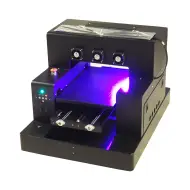
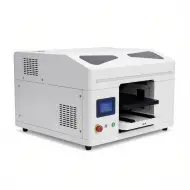
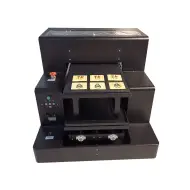
For operators using UV flatbed printers or dtf printing machines, this accelerated replacement cadence directly impacts capital expenditure planning and operational workflows. Equipment upgrades may no longer be spaced for long-term amortization but require flexible financial models.
Technical Anatomy of Equipment Replacement Drivers
Rapid advances in printhead technology, ink chemistry, and automation software drive obsolescence faster. New UV led printer models, for example, offer higher throughput, improved color gamut, and lower maintenance compared to legacy units.
| Spec | Legacy Model (2016) | Current Model (2026) | Impact |
|---|---|---|---|
| Print Speed (m²/hr) | 50 | 120 | 140% increase reduces cycle time |
| Ink Efficiency (ml/m²) | 15 | 8 | 47% reduction lowers consumables cost |
| Maintenance Downtime (hrs/yr) | 120 | 40 | 67% decrease maximizes uptime |
| Energy Consumption (kW/hr) | 5.5 | 3.2 | 42% lower supports sustainability goals |
| Automation Level | Basic | Advanced with remote diagnostics | Improves operational control |
Such technical gains justify earlier equipment replacement, yet require companies to manage integration and training overhead continuously.
Financial Scenarios: Balancing ROI and OpEx in Shorter Cycles
Replacing equipment every 5 years instead of 8 compresses return on investment timelines but can increase total cost of ownership due to frequent capital outlay. Financial modeling reveals:
- 5-year replacement cycle yields 15% higher average annual depreciation expense.
- Newer models reduce operational costs by approximately 25%, partially offsetting capital impact.
- Financing and leasing options gain importance as cash flow management becomes critical.
Operators of dtf heat transfer printers need to incorporate consumable cost trends alongside equipment costs into budgeting processes precisely.
Expert Q&A
Q: What is the prime rationale behind the shortening replacement cadence?
A: Advancements in print technology and competitive pressure to offer superior print quality and production speed force earlier turnover to stay relevant.
Q: How can printers mitigate risks associated with faster replacements?
A: Planning for modular upgrades, flexible financing, and strong vendor support help reduce technical debt and financial strain.
Q: Are there specific technologies accelerating obsolescence?
A: Yes, particularly UV led printers with enhanced ink curing and wider color gamuts push older UV flatbed printers towards retirement.
Strategic Verdict
The trend towards shorter equipment replacement cadence is real and measurable, applying pressure on print providers to rethink their investment and operational strategies. Companies heavily reliant on uv flatbed printers and dtf printing machines must embrace agile capital planning alongside technical continuous learning.
GNFEI.com exemplifies manufacturers providing updated industrial hardware benchmarks across UV and DTF printer categories that aid evaluators in understanding when and how to execute upgrades effectively. Operating with a shortened replacement cycle demands precise cost/benefit analysis and risk mitigation strategies to sustain competitive advantage without exposing to excessive financial and technical debt.