How Much Does a DTF Printer Cost?The Complete 2026 Buyer's Budget Guide
How Much Does a DTF Printer Cost?
The Complete 2026 Buyer's Budget Guide
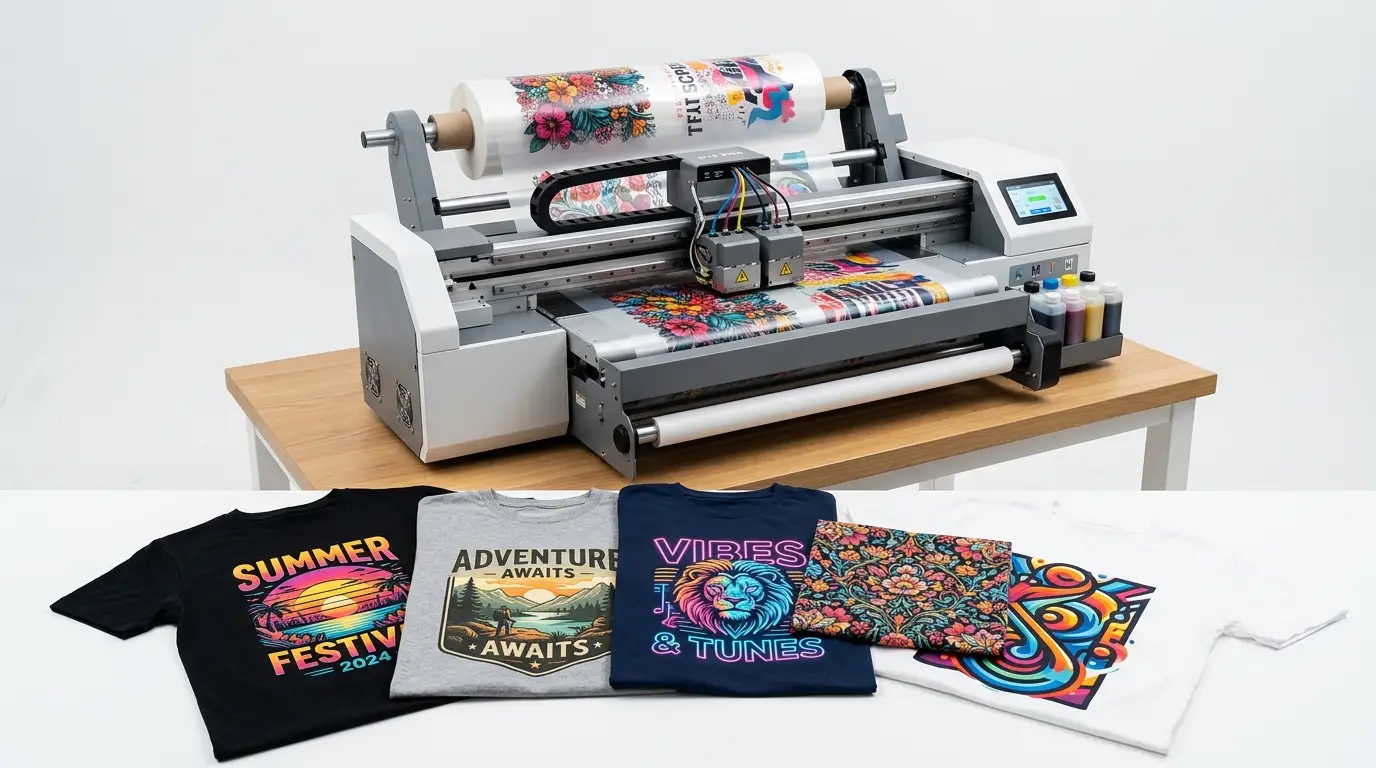
Direct-to-Film (DTF) printing has transformed custom apparel production. It works on virtually any fabric — cotton, polyester, nylon, denim, leather — with no pretreatment required and no minimum order. But with hundreds of models on the market ranging from $800 to $25,000+, figuring out how much a DTF printer actually costs and what fits your business needs is where most buyers get overwhelmed.
This guide cuts through the noise. We break down every price tier, uncover the hidden costs manufacturers never mention, and help you calculate your real return on investment — so you can walk into your purchase with complete confidence.
DTF Printer Price Tiers: What Each Budget Gets You
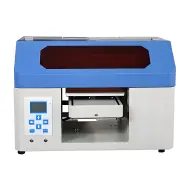
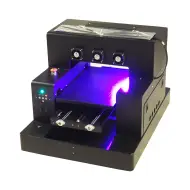
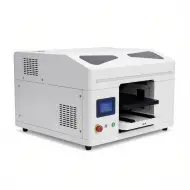
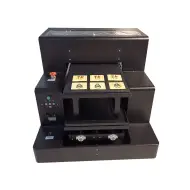
The DTF printer market is split into three clearly defined tiers. Your production volume, budget, and long-term business goals should determine which tier you belong in.
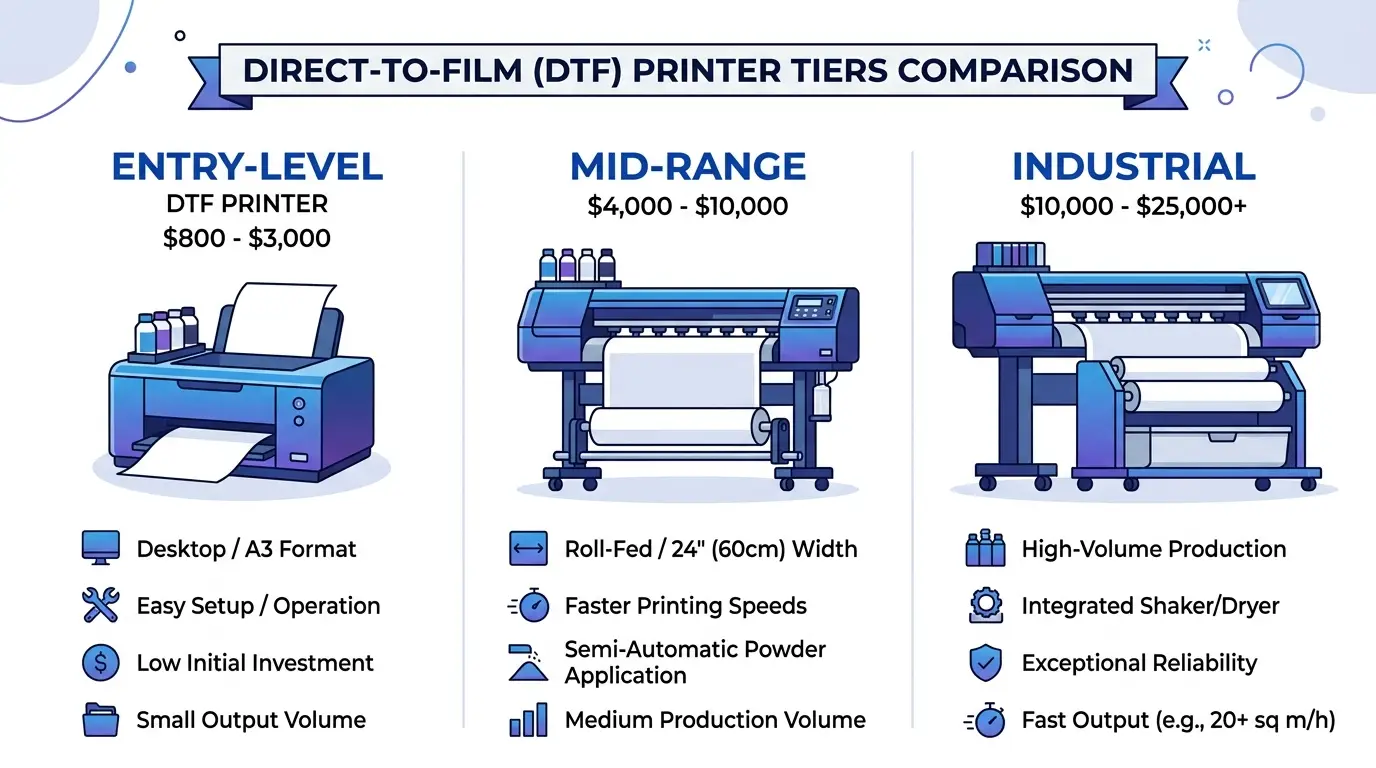
Figure 1: The three tiers of DTF printers and their key differentiating features (2026 market data)
- A3 print area (up to 33×48 cm)
- Epson L1800 or XP600 printhead
- Manual or semi-auto powder shake
- Best for: hobbyists, Etsy shops, low-volume startups
- Typical output: 5–20 transfers/hour
- Risk: more maintenance needed on white ink
- Roll-to-roll PET film (24–30 cm wide)
- Dual XP600 or i3200-A1 printhead
- Integrated white ink circulation system
- Best for: growing print shops, daily production
- Typical output: 20–60 sqm/hour
- Semi-automated powder shaking available
- 60cm–180cm print width; twin-roll capable
- Quad i3200 or Kyocera industrial printhead
- Fully auto shaker + infrared tunnel dryer
- Best for: transfer resellers, production facilities
- Typical output: 80–200+ sqm/hour
- Built for 24/7 continuous operation
Factory-Direct Tip: A commercial mid-range DTF printer from a factory-direct supplier like GNFEI typically costs 30–45% less than the same specification from a North American or European reseller — with the same CE-certified hardware and after-sale support included.
The Hidden Costs: What You Actually Need to Budget
The printer price is just the starting point. Most buyers are shocked by the total setup cost. Here is an honest breakdown of every additional investment you will need to start printing commercially.
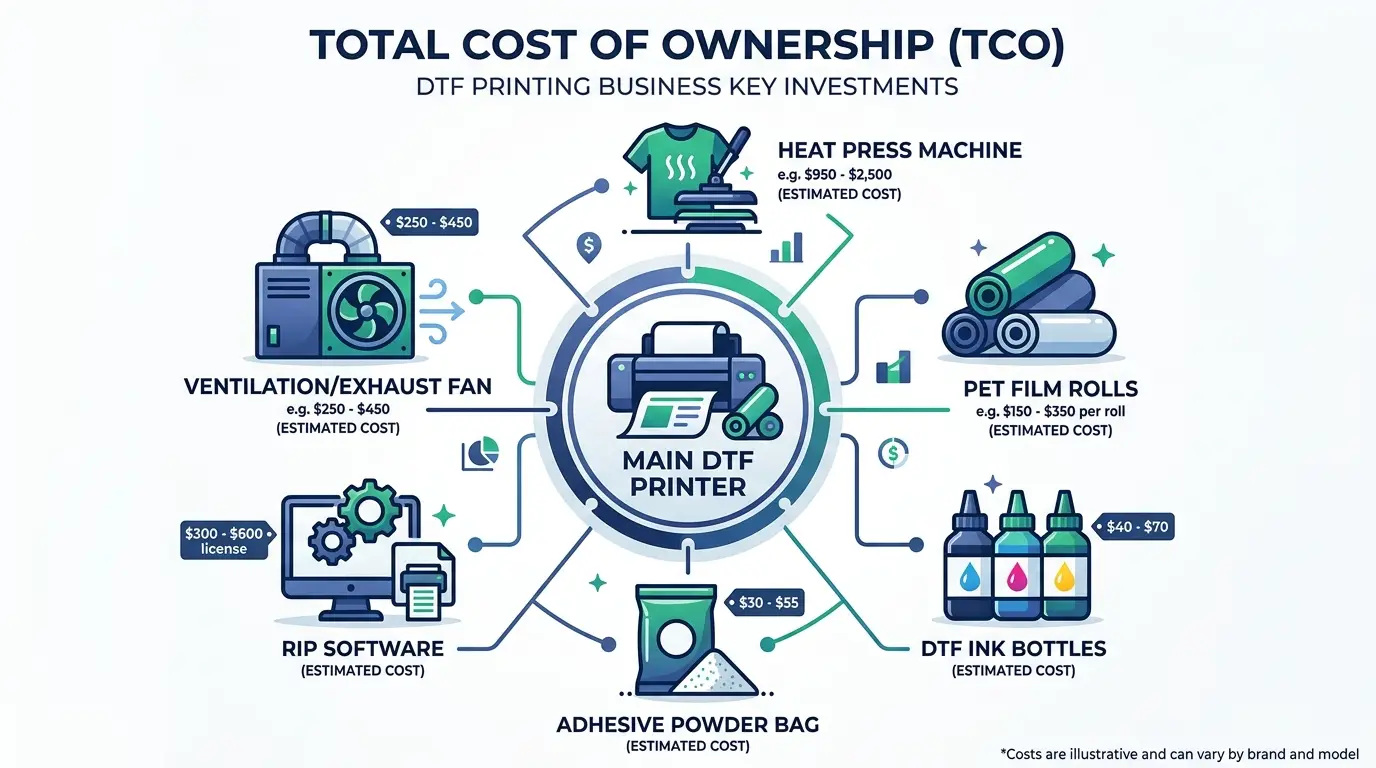
Figure 2: Total Cost of Ownership — every investment required to run a professional DTF printing operation
Heat Press Machine — $950 to $2,500
A quality clamshell or swing-away heat press is non-negotiable. Entry-level manual presses work fine for low volume; pneumatic auto-open presses are worth the investment at commercial scale. Never cheap out here — inconsistent pressure causes transfers to peel.
PET Film Rolls — $150 to $350 per roll
DTF printing uses specialized transparent PET film. A standard 30cm × 100m roll costs $150–$350 depending on quality tier. Cold-peel film is cheaper; hot-peel film (more popular for speed) costs slightly more. Budget 1–3 rolls per month at moderate volume.
DTF Ink Set (CMYK + White) — $200 to $500/month
DTF requires a dedicated 6-color ink set: Cyan, Magenta, Yellow, Black, and White (often in double volume). Factory-direct ink is significantly cheaper and ensures compatibility. White ink consumes fastest — typically 2× the rate of color channels.
Hot Melt Adhesive Powder — $30 to $55 per kg
TPU hot melt powder is shaken onto the wet ink immediately after printing, then cured in an oven or shaker unit. Standard usage is approximately 150–250g per sqm of film. Fine-grain powder ($45–$55/kg) produces softer hand-feel transfers favored for apparel.
RIP Software License — $300 to $600 (one-time)
Professional RIP software (such as AccuRIP, Wasatch, or Maintop) is essential for managing white ink density, color profiles, and gang sheet layouts. Without proper RIP software, white ink opacity suffers, and color accuracy degrades significantly.
Ventilation / Fume Extraction — $250 to $450
Curing adhesive powder releases fine particulates. An inline exhaust fan with HEPA filtration or a dedicated fume extractor is strongly recommended for workshop environments. This is often overlooked by first-time buyers and can create health and compliance issues.
DTF vs. Alternative Printing Methods: Cost Comparison
How does DTF printing compare to other technologies on total setup cost, per-print economics, and flexibility?
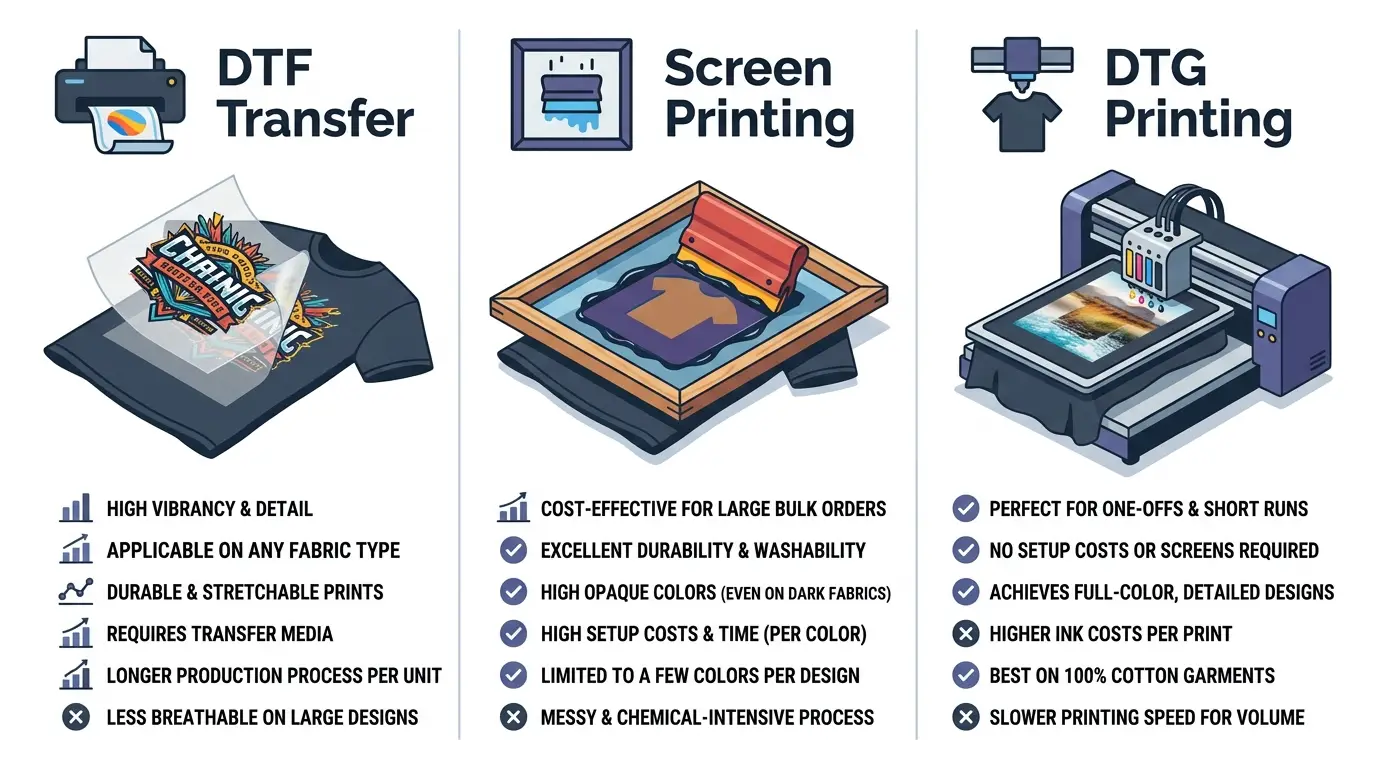
Figure 3: DTF Transfer vs. Screen Printing vs. DTG Printing — pros and cons for custom apparel production
| Factor | DTF Printing | DTG Printing | Screen Printing | Heat Transfer Vinyl (HTV) |
|---|---|---|---|---|
| Setup Cost | $1,500–$12,000 | $2,000–$20,000 | $5,000–$50,000+ | $500–$3,000 |
| Fabric Compatibility | All fabrics | Cotton / blends | Most fabrics | Most fabrics |
| Minimum Order Qty | 1 unit (on-demand) | 1 unit | 50–500+ units | 1 unit |
| Pretreatment Required | ✓ None needed | ✗ Yes (PTM solution) | ✗ Yes (screen setup) | ✓ None needed |
| White & Dark Fabrics | ✓ Excellent white ink | Moderate (white ink) | ✓ Excellent opacity | Limited (color layers) |
| Cost Per Print (small run) | $0.30–$1.20 | $1.00–$3.00 | $5.00–$15+ (setup) | $0.50–$2.00 |
| Wash Durability | Excellent (50+ washes) | Good (30–40 washes) | Excellent (50+ washes) | Moderate (20–30 washes) |
DTF Printer ROI: When Does It Pay for Itself?
Understanding your payback period before purchasing is critical. Here is a realistic ROI breakdown for a mid-range commercial DTF setup.
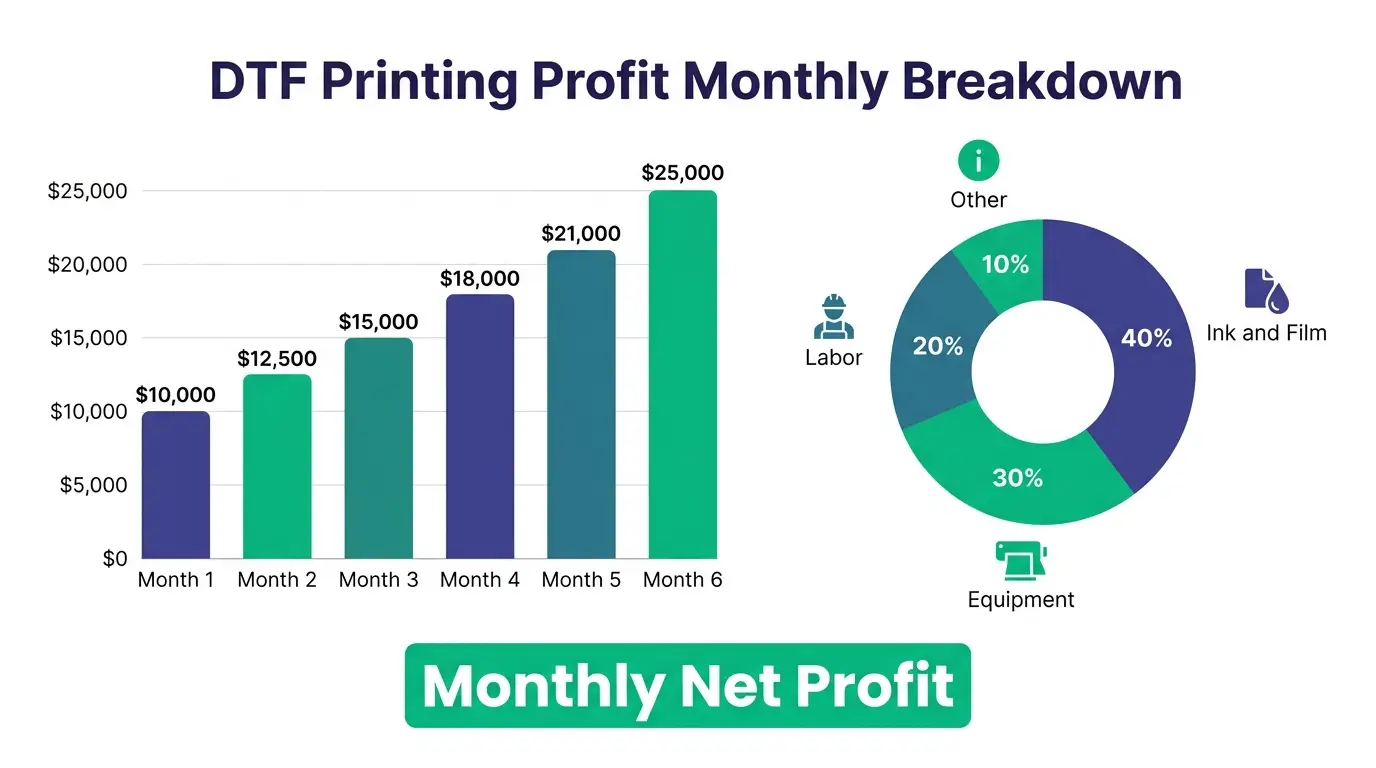
Figure 4: Illustrative monthly revenue and cost breakdown for a commercial DTF printing operation (figures are examples only)
Realistic Speed Warning: Manufacturer-stated print speeds are tested under ideal lab conditions. In real production, expect 40–60% of the stated speed due to ink drying time, film handling, and software processing. Always build this buffer into your ROI calculation.
| Scenario | Entry-Level Setup | Commercial Mid-Range | Industrial Setup |
|---|---|---|---|
| Total Investment | ~$3,500 | ~$9,000 | ~$22,000 |
| Daily Transfer Capacity | 50–100 sqm/day | 300–600 sqm/day | 800–2,000+ sqm/day |
| Avg. Revenue per sqm | $3.50–$5.00 | $3.00–$4.50 | $2.00–$3.50 |
| Monthly Consumable Cost | ~$400 | ~$1,200 | ~$4,000 |
| Est. Monthly Net Profit | $600–$1,200 | $2,500–$5,500 | $8,000–$20,000 |
| Estimated Payback Period | 3–5 months | 2–4 months | 2–3 months |
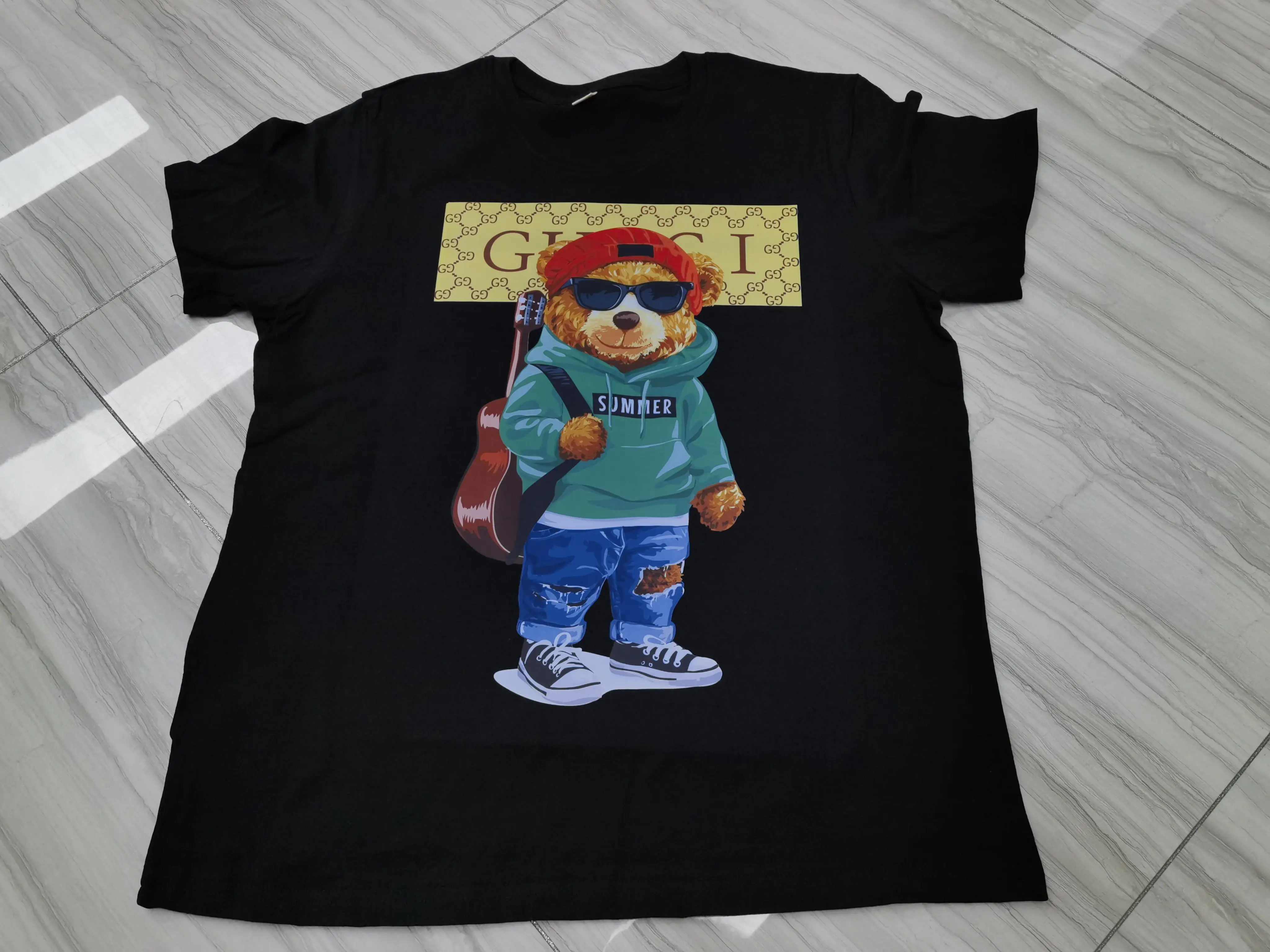
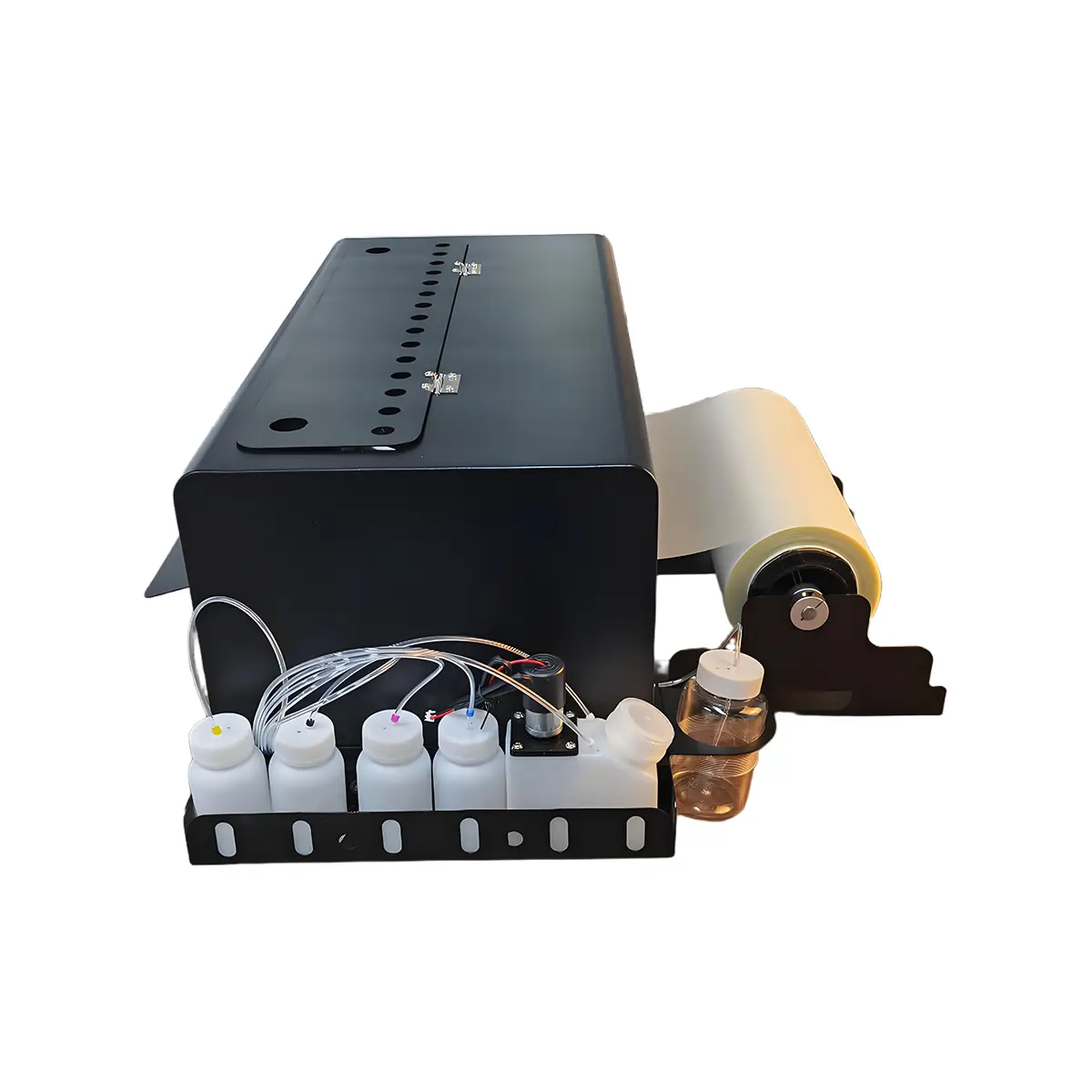
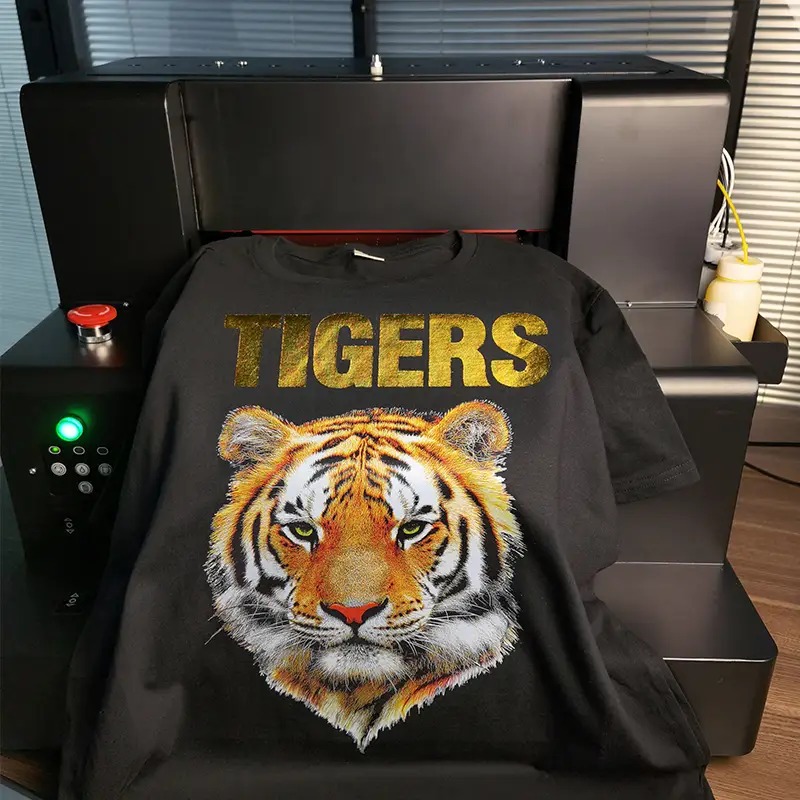
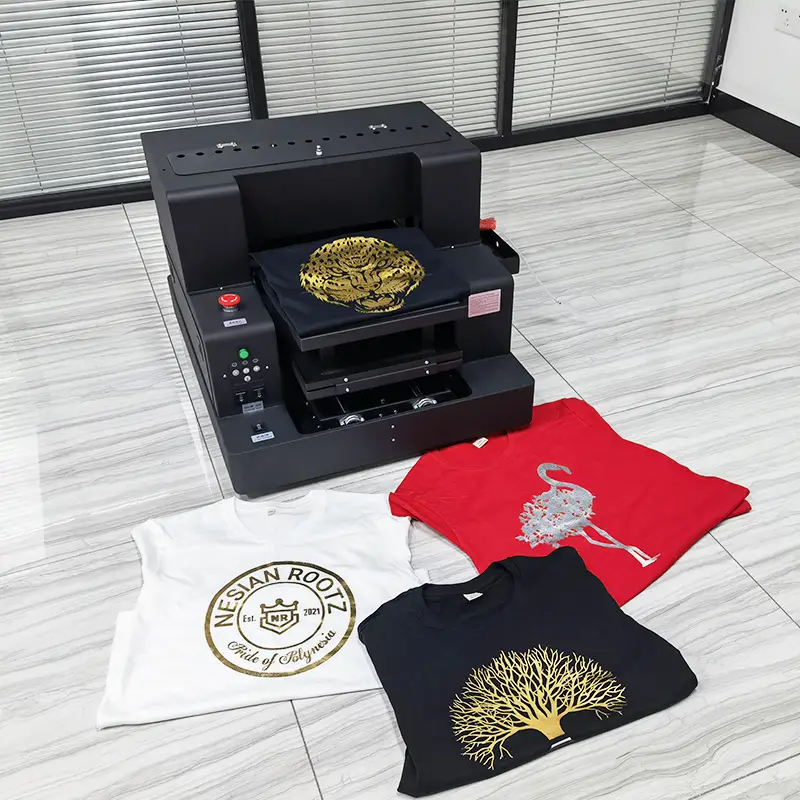
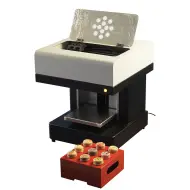
GNFEI A3 DTF & DTG Dual System Printer — F13G3
- A3 print area (33 × 48 cm) — no pretreatment on any fabric
- EPSON L805 / XP600 printhead · 5760 × 1440 dpi
- DTF + DTG dual system in one machine
- Water-cooled white ink recirculation — prevents clogs
- CMYK + White 6-channel ink system
- Ships worldwide with full technical support
5 Things to Check Before You Buy Any DTF Printer
Don't let a low price tag distract you from these critical evaluation criteria that separate a reliable machine from an expensive maintenance headache.
White Ink Recirculation System
White DTF ink settles and clogs if left idle. Premium machines include automatic recirculation that keeps white ink agitated and flowing — even when the printer is not actively printing. This single feature dramatically reduces printhead replacement costs.
Included RIP Software & Compatibility
Always confirm the printer ships with a licensed, compatible RIP software package. Aftermarket RIP licenses can cost $300–$600 and compatibility issues between printer firmware and RIP software are a major source of frustration for new buyers.
Manufacturer's Real Print Speed (Not Lab Speed)
Ask the supplier for real-world production speed at your target resolution (720×1200 or 1440×1440 dpi). Request video proof of production output. Stated speeds at 360×360 dpi mean nothing for commercial-quality transfers.
Warranty & Spare Parts Availability
A 1-year warranty is the minimum standard. More importantly, confirm that spare printheads, dampers, and ink lines are available for purchase directly from the supplier. A printer with no available spare parts becomes an expensive paperweight after any significant failure.
After-Sale Training & Remote Technical Support
DTF printing has a learning curve. Suppliers who provide setup video tutorials, remote desktop troubleshooting, and dedicated WhatsApp or email support are worth paying a premium for. This is especially critical for buyers in markets without local service centers.
Bottom Line: A $2,500 factory-direct DTF printer from GNFEI with proper recirculation, RIP software, and remote support will outperform a $1,200 bargain machine in both reliability and total cost of ownership within the first 3 months of operation.
Frequently Asked Questions About DTF Printer Costs
How much does an entry-level DTF printer cost in 2026?
What is the price range for a mid-range commercial DTF printer?
How much does an industrial DTF printer cost?
What hidden costs should I budget for besides the DTF printer?
Is a DTF printer a good investment for a small printing business?
What printheads are used in professional DTF printers?
Can I buy a DTF printer directly from the factory to save money?
How do I calculate ROI for my DTF printer?