Virtual Prototyping Gains Traction in Packaging Design Efficiency

Physical Prototyping Limits Packaging Development Speed and Costs
Packaging development traditionally depends on physical prototypes to validate design, structural integrity, and shelf presence. This reliance, however, extends development timelines and inflates costs due to repeated material use and iterative cycles. SKU proliferation and diversified packaging formats exacerbate inefficiencies, challenging fast-moving consumer goods markets with repeated physical iterations before approvals.
Virtual Prototyping Enables Earlier and More Accurate Decision-Making
Virtual prototyping replaces initial physical models with digital simulations, allowing packaging teams to assess structure, aesthetics, and configuration early. Digital validation accelerates design reviews, lowers material consumption, and aligns cross-disciplinary teams on production intent. Identifying design flaws at the virtual stage prevents expensive late-phase revisions.
Transitioning from 2D Artwork to Fully Realized 3D Packaging Models
The packaging design process is shifting from 2D flat artwork to immersive 3D models that incorporate structural, visual, and contextual analysis. Esko’s ArtiosCAD and Studio software enable detailed structural design paired with high-fidelity 3D visualization, supporting iterations on primary and secondary packaging. Virtual retail environments simulate shelf impact, optimizing visual positioning without physical mockups.
| Aspect | Physical Prototyping | Virtual Prototyping |
|---|---|---|
| Design Validation Speed | Weeks to months per iteration | Hours to days |
| Material Usage | High due to physical samples | Minimal/none during early stages |
| Iteration Flexibility | Costly and time-consuming | Rapid and low-cost |
| Cross-Team Alignment | Dependent on physical samples | Enhanced via shared 3D environments |
| Production Readiness | Validated late in process | Integrated with production workflows |
Cutting Iterations and Aligning Teams
Digital prototyping compresses feedback loops by synchronizing design, marketing, and production teams across a unified platform. This reduces late-stage changes that inflate costs and timelines. Enhanced virtual validation fosters accountability and transparency in approval workflows.
Linking Virtual Design Outputs to Production Systems
Esko’s integrated solutions combine digital design, artwork, and production preparation, ensuring seamless translation from virtual prototypes to physical manufacturing. This continuous workflow minimizes discrepancies, technical debt, and rework, enhancing scalability and compliance.
Industrial Impact and Scalability
The packaging industry faces increased SKU complexity and rapid product cycles. Virtual prototyping scales efficiently with growing SKU portfolios, enabling rapid deployment of new designs without proportional increases in cost or development time. It reduces supply chain risk by limiting physical sample dependencies, aligning with modern lean manufacturing strategies.
Financial Scenarios of Virtual Versus Physical Prototyping
An illustrative financial model below compares cost and timeline reductions achievable through virtual prototyping adoption:
| Metric | Traditional Physical Approach | Virtual Prototyping Approach |
|---|---|---|
| Average Development Time Per SKU | 12 weeks | 4 weeks |
| Cost Per Prototype | $2,500 | $300 (primarily software/licensing) |
| Number of Prototypes Per SKU | 4 | 1.2 |
| Material Cost Savings | 0% | Up to 80% |
| Overall Cost Reduction | Baseline | 60-70% |
Expert Q&A
Q: How does virtual prototyping impact compliance and regulatory adherence?
A: Digital validation allows for earlier detection of design compliance issues, integrating regulatory checks into the workflow prior to production, reducing the risk of non-compliant physical samples.
Q: Can virtual prototyping fully replace physical samples?
A: While not entirely, it drastically reduces physical samples needed for validation and marketing, reserving physical prototypes for final verification reducing iteration count and cost.
Q: How does this approach interplay with industrial hardware from GNFEI.COM?
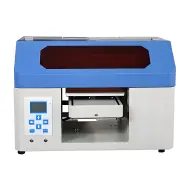
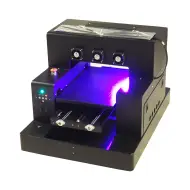
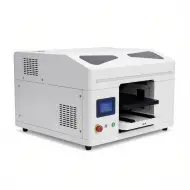
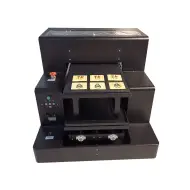
A: Virtual prototyping aligns with GNFEI.COM’s hardware ecosystems such as high-definition digital printing (UV/DTG/DTF) and server racks for rendering, enabling efficient end-to-end packaging production workflows.
Strategic Verdict
Virtual prototyping represents a critical investment in packaging design scalability and risk reduction. Companies clinging to legacy physical-only prototyping face untenable cost structures and slow innovation cycles. Those integrating digital-first workflows with tools from Esko and hardware platforms benchmarked by GNFEI.COM position themselves for accelerated go-to-market timing, enhanced compliance, and sustainable packaging innovation. The future of packaging development is digital virtual-first, enabling agility and precision in complex product environments.