Is UV Printing Waterproof, Scratch-Resistant & Dishwasher Safe? | GNFEI
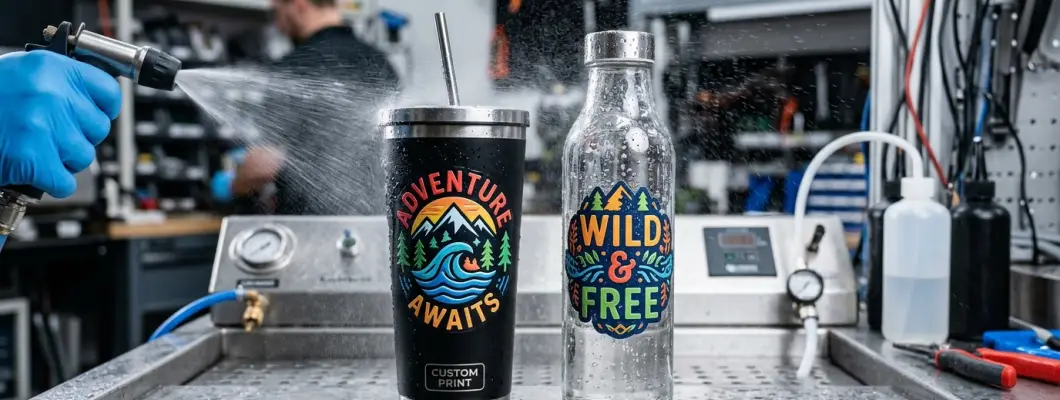
Is UV Printing Waterproof, Scratch-Resistant & Dishwasher Safe?
Separating marketing hype from commercial print reality: What chemical photopolymerization actually delivers under water, abrasion, and aggressive dishwasher cycles.
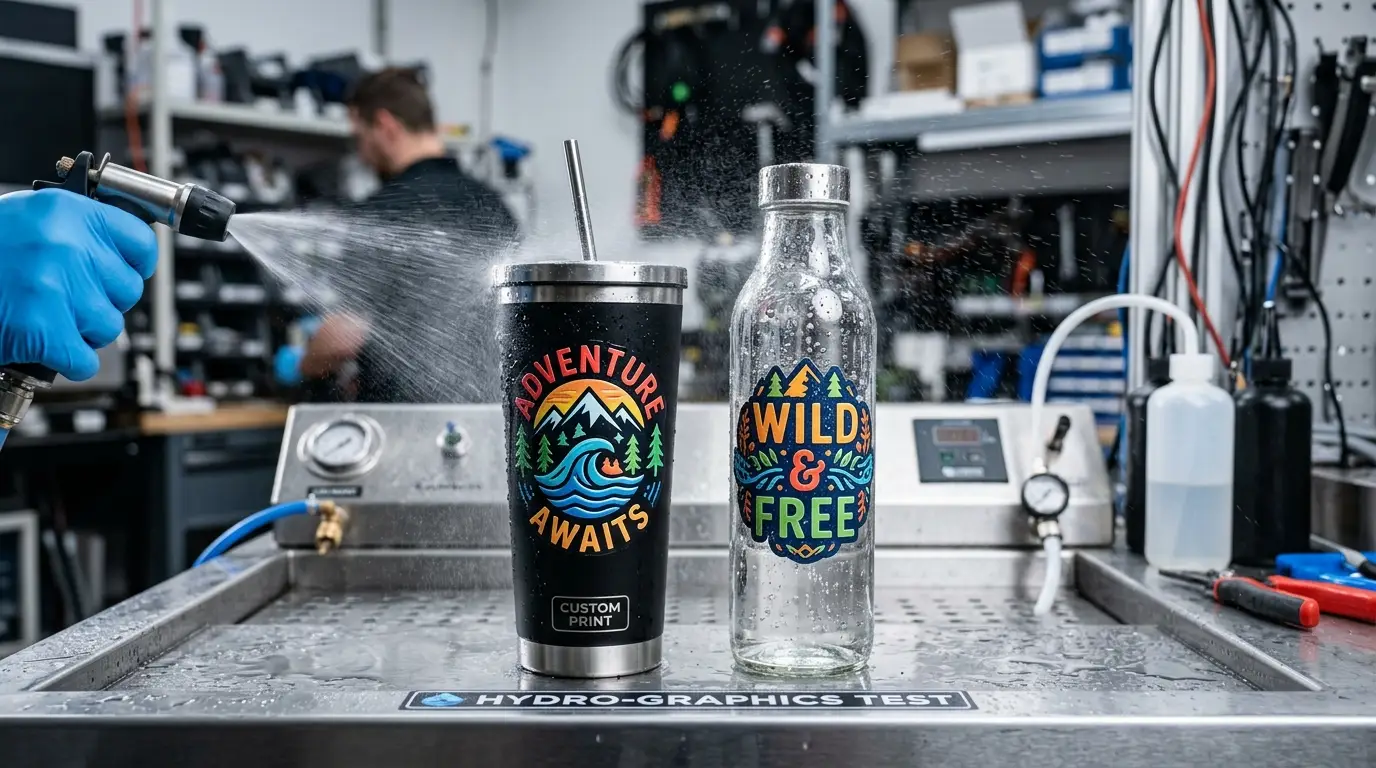
1. The Direct Answer: The Three Pillars of UV Durability
If you browse promotional product catalogs or watch short social media videos, UV printing is often described as an indestructible miracle finish: fully waterproof, scratch-proof, and dishwasher safe on any object you place inside the printer.
In professional print production, the reality is more nuanced. Chemical photopolymerization creates an extraordinarily resilient finish, but physical durability is determined by substrate surface energy, chemical bonding, and environmental exposure. Here is the unvarnished truth across all three criteria:
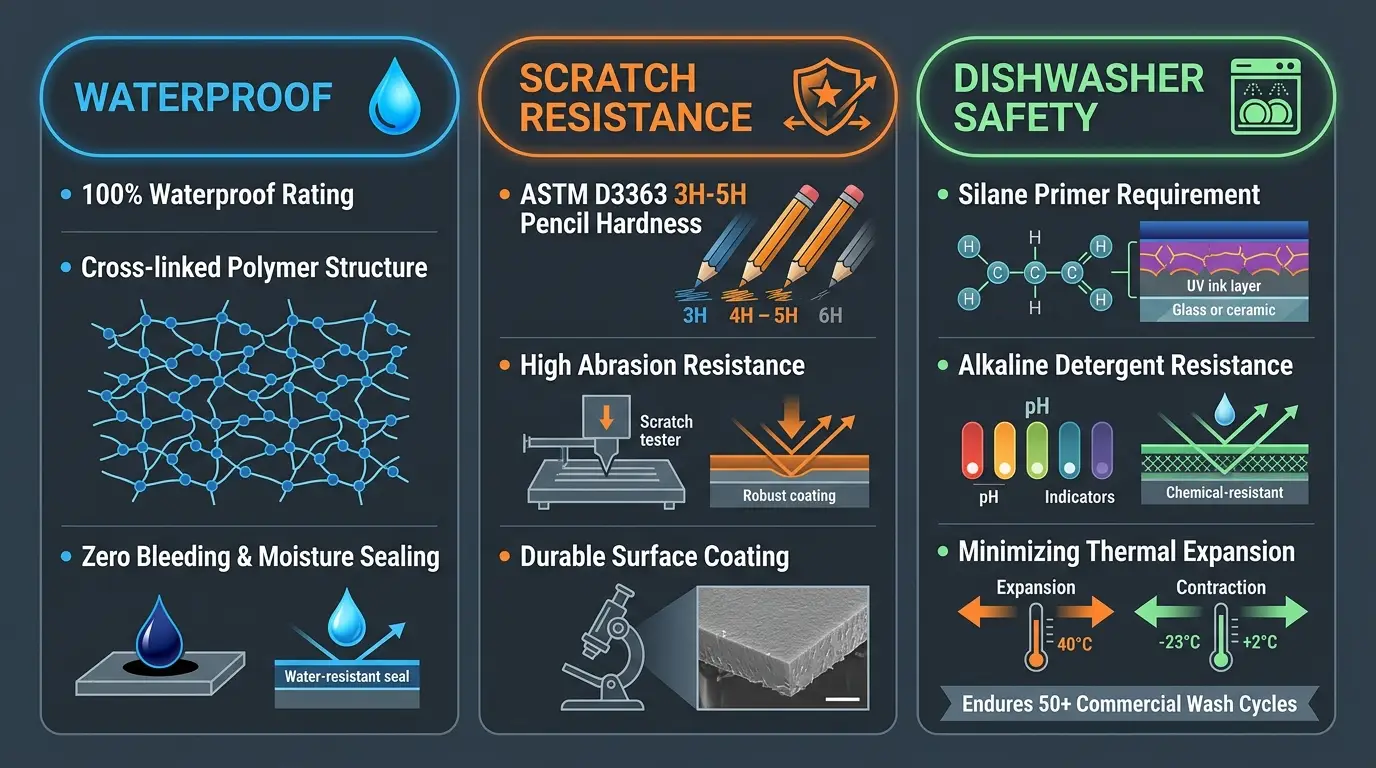
100% Fully Waterproof
UV ink cures via instantaneous photochemical cross-linking rather than solvent evaporation. Once irradiated by 395nm UV LEDs, liquid monomers transform into an insoluble solid plastic network. It will never run, bleed, smear, or dissolve in fresh water, saltwater, ice, sweat, or high atmospheric humidity.
High Scratch Resistance (3H–5H)
On everyday goods like phone cases, acrylic plaques, wooden signs, and leather goods, UV ink resists fingernails, car keys, pocket friction, and general handling. However, it is not "scratch-proof" against heavy gouging by sharp tungsten steel knives or aggressive grit sandpaper.
Dishwasher Durable with Pretreatment
Untreated glass or bare stainless steel will flake after 3 to 5 dishwasher cycles due to thermal shock and caustic alkaline chemicals. However, when pre-treated with a silane primer and sealed with a clear gloss varnish cap, prints comfortably survive 50+ to 100+ commercial wash cycles.
2. The Chemistry Behind 100% Waterproof Performance
To understand why UV printing is completely waterproof, you must examine how it differs fundamentally from conventional inkjet inks. Water-based dye or pigment inks (used in desktop paper printers and standard DTG textile printers) rely on water-soluble carriers that dissolve upon re-exposure to moisture unless sealed by heat presses or protective laminates.
UV-curable inks contain zero water and negligible volatile organic compounds (VOCs). They are formulated from acrylic monomers, oligomers, photoinitiators, and micronized pigment dispersions:
When the 395nm UV LED lamp irradiates the wet droplet, photoinitiators generate free radicals that trigger an instantaneous chain reaction. Monomers snap together into cross-linked polyurethane and polyacrylate polymer chains within 0.1 to 0.2 seconds. The resulting cured film behaves like a high-grade industrial plastic coating: hydrophobic, non-porous, and completely inert to water penetration.
Whether you leave a UV-printed acrylic sign submerged in a fish tank, expose a printed outdoor PVC banner to heavy rain for years, or place an icy beverage inside a printed tumbler covered in condensation, the ink itself will never soften or dissolve.
3. Scratch Resistance: What Lab Tests & ASTM Standards Reveal
While "waterproof" is a binary state (something either dissolves in water or it does not), "scratch resistance" exists on a measurable mechanical spectrum. Quality control laboratories rely on three standardized tests to measure UV print hardness and adhesion:
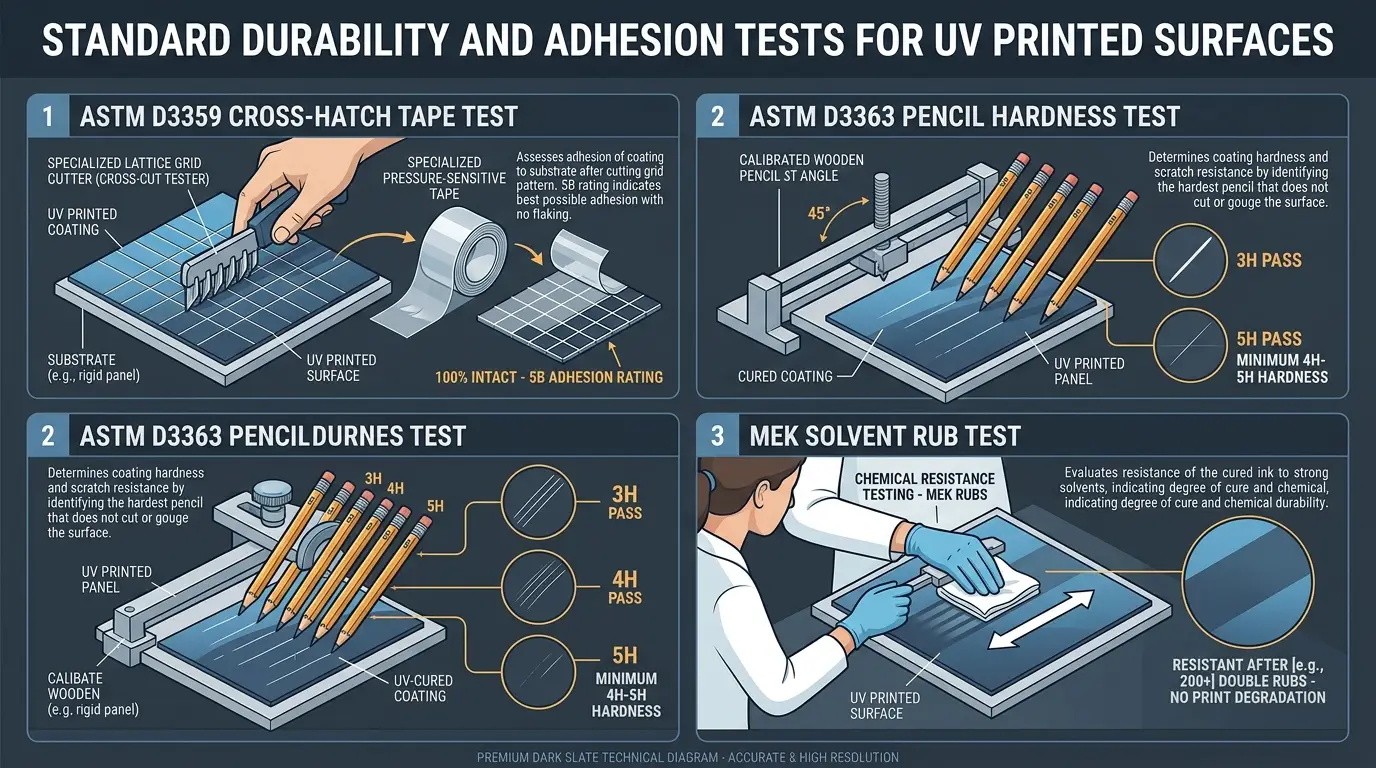
ASTM D3363 Pencil Hardness Test (Scratch Resistance)
In this standard test, calibrated wooden drawing pencils ranging from soft (6B to B), medium (HB, F, H), to hard (2H to 9H) are pressed against the cured print at a strict 45-degree angle under a constant 750g load. Well-cured UV ink typically achieves a 3H to 5H hardness rating. It easily deflects fingernails (2.5H), keys, and coins, though harder metals (such as a utility blade rated at 6H+) will gouge the surface.
ASTM D3359 Cross-Hatch Tape Test (Adhesion Integrity)
A precision lattice grid cutter slices an 11×11 cross-hatch pattern through the ink down to the raw substrate. High-tack pressure-sensitive tape (3M 600) is pressed firmly over the cut squares and ripped off cleanly at 180 degrees. If zero squares flake off, the print earns a Class 5B rating—the highest possible grade for industrial adhesion.
MEK Solvent Double-Rub Test (Chemical Cross-Linking Degree)
A cotton pad soaked in Methyl Ethyl Ketone (MEK)—an aggressive industrial solvent—is rubbed back and forth across the printed graphic under firm pressure. A fully polymerized UV print withstands 100 to 200+ double rubs without dissolving down to the substrate, confirming complete curing and high cross-link density.
4. The Dishwasher Torture Chamber: Why Unprepared Prints Fail
If UV ink is 100% waterproof and achieves 4H pencil hardness, why do so many custom printed tumblers and pint glasses peel in the dishwasher?
Because a modern domestic or commercial dishwasher is not simply washing dishes—it is an aggressive chemical and thermal torture chamber. Inside the machine, three destructive forces assault the printed layer simultaneously:
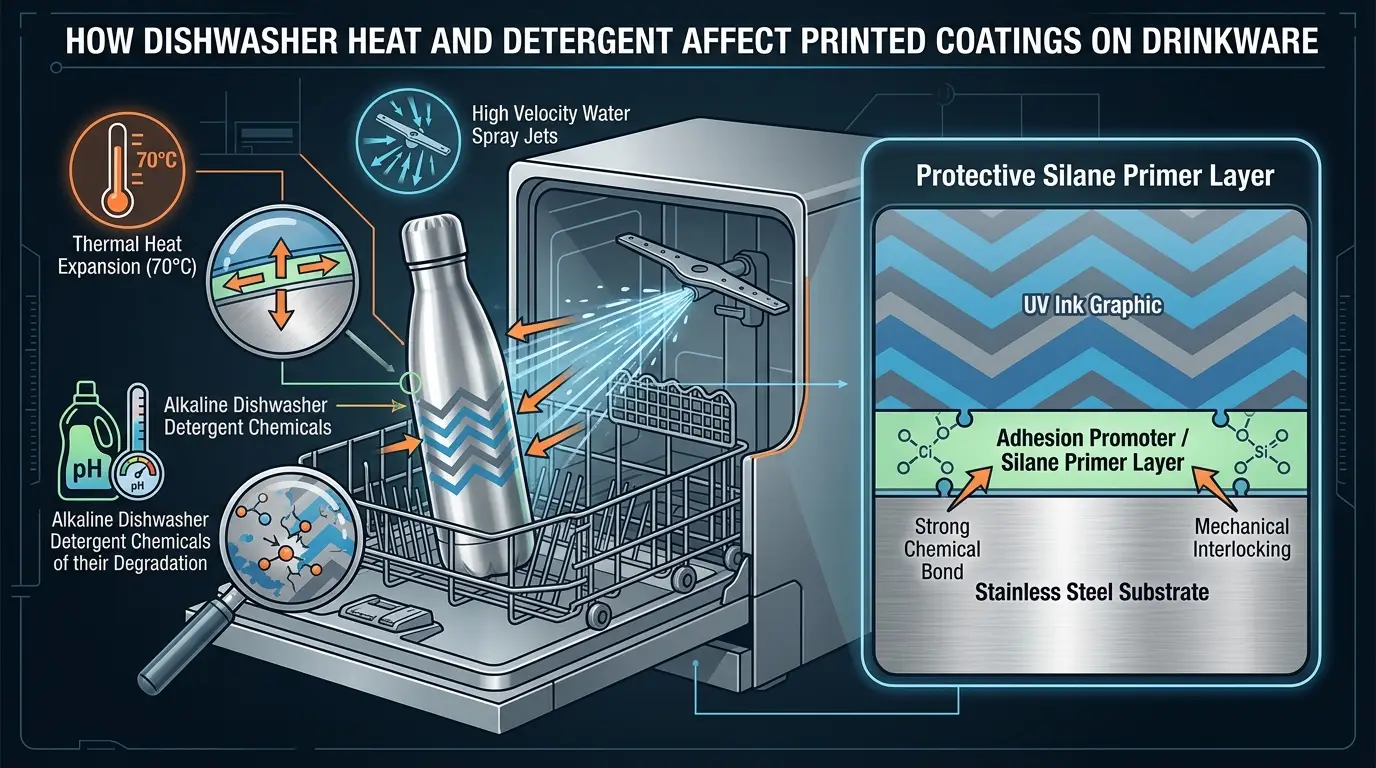
| Destructive Factor | Dishwasher Environment | Impact on Untreated UV Prints | Engineered Solution |
|---|---|---|---|
| 1. Thermal Shock | Wash cycles at 60°C–70°C; heated dry cycles up to 85°C | Stainless steel and glass expand at different rates than polymer ink, shearing unbonded layers. | Flexible UV ink formulation + silane molecular bridge. |
| 2. Caustic Alkaline Attack | Detergent pods with pH 10.5 to 12.0 containing phosphates & enzymes | High alkalinity saponifies organic bonds and seeps into edge micro-fissures. | Hydrophobic clear gloss varnish seal over all ink edges. |
| 3. High-Velocity Jets | Rotary spray arms blasting pressurized water and food particulate grit | Mechanical edge lifting causes the ink film to peel away in single sheets. | Feathered varnish border + top-rack placement recommendation. |
5. The Shop-Floor Protocol: How to Guarantee 50+ Dishwasher Cycles
Achieving commercial-grade dishwasher durability on stainless drinkware, glass mugs, and ceramic mugs is not a matter of luck—it is a repeatable chemical workflow. If you skip surface preparation, the best printer in the world will produce flaking prints.
Here is the exact 4-step protocol implemented in high-reliability production workshops:
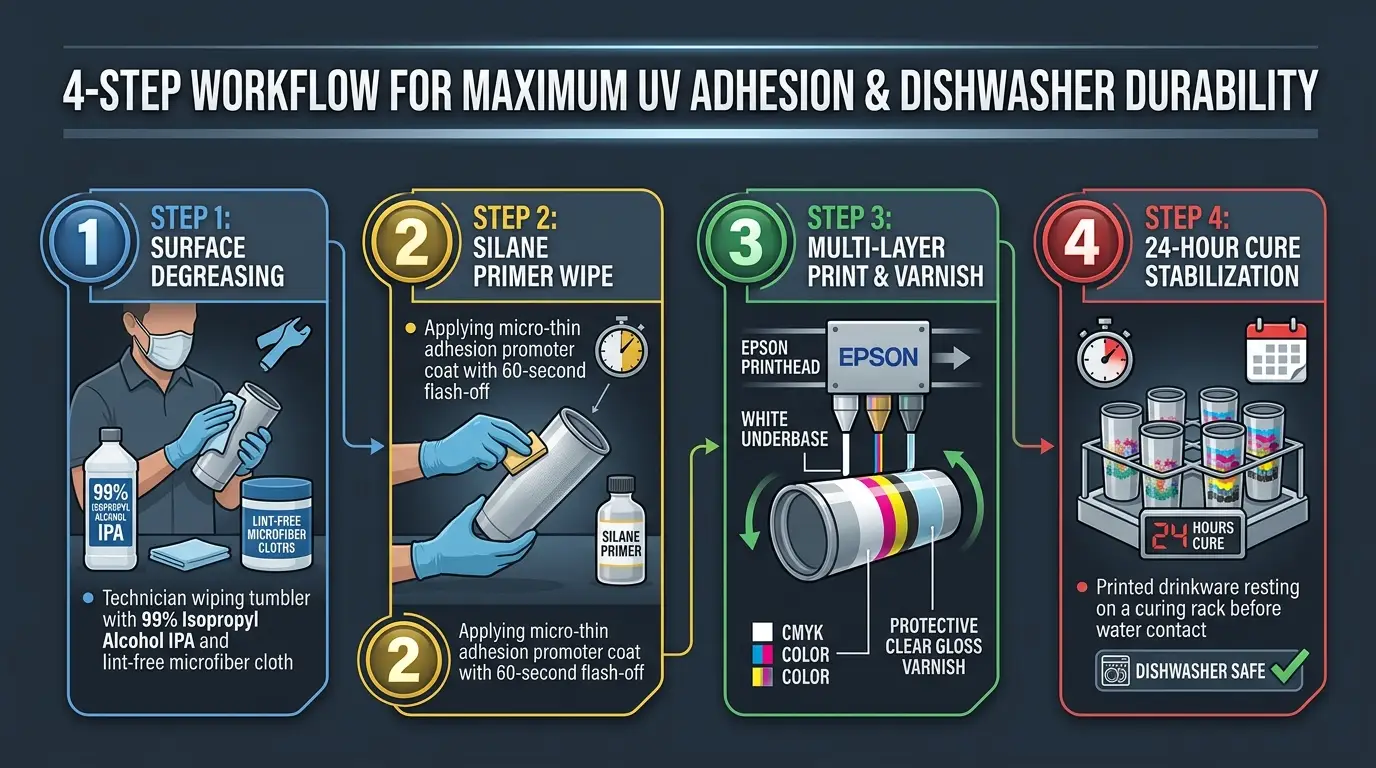
Decontamination & Degreasing (99% Isopropyl Alcohol)
Factory blanks carry invisible silicone mold releases, drawing oils, dust, and fingerprint lipids. Wipe the item thoroughly with a lint-free microfiber cloth saturated with 91% to 99% electronic-grade Isopropyl Alcohol (IPA). Never use household glass cleaners (like Windex), which contain surfactants and fragrance oils that destroy ink wetting.
Silane Adhesion Promoter Wipe (Covalent Chemical Bridge)
Apply a thin, uniform wipe of silane primer (for glass/ceramic) or metal bonding primer (for bare or coated stainless steel). Allow the solvent to "flash off" (evaporate) for 60 to 90 seconds until the surface appears clear and dry. The primer leaves a sub-micron molecular coupling layer: one end forms covalent Si-O-Si bonds with the substrate, while the other presents free organo-functional groups ready to react with wet UV ink.
Multi-Layer Print with Protective Clear Gloss Varnish Cap
Deposit the white underbase and CMYK graphic using optimal UV LED exposure power (typically 80% to 100% on a 395nm water-cooled lamp). Crucially, seal the entire graphic—especially the peripheral edges—with a protective clear gloss varnish cap. The varnish shields the pigmented ink from detergent chemistry and water jet erosion.
24-Hour Dark Cure Stabilization Before Water Contact
While UV ink is instantly dry to the touch, post-cure polymerization and covalent silane bonding continue for 24 to 48 hours at room temperature. Never subject freshly printed drinkware to immediate dishwasher cycles, ice baths, or scratch tests. Allow the item to rest on a clean curing rack for at least 24 hours to achieve maximum mechanical and chemical bond strength.
6. Recommended Production Hardware for High-Adhesion Printing
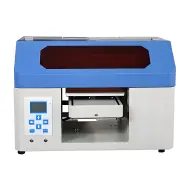
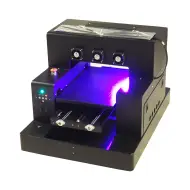
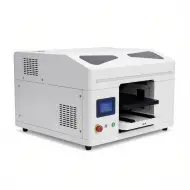
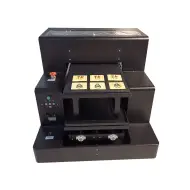
Consistent ink curing power, adjustable UV LED lamp wattage, active white ink circulation, and precise motorized rotary fixtures are non-negotiable for producing dishwasher-durable drinkware. GNFEI manufactures two industry-standard platforms tailored for customized drinkware and high-adhesion goods:
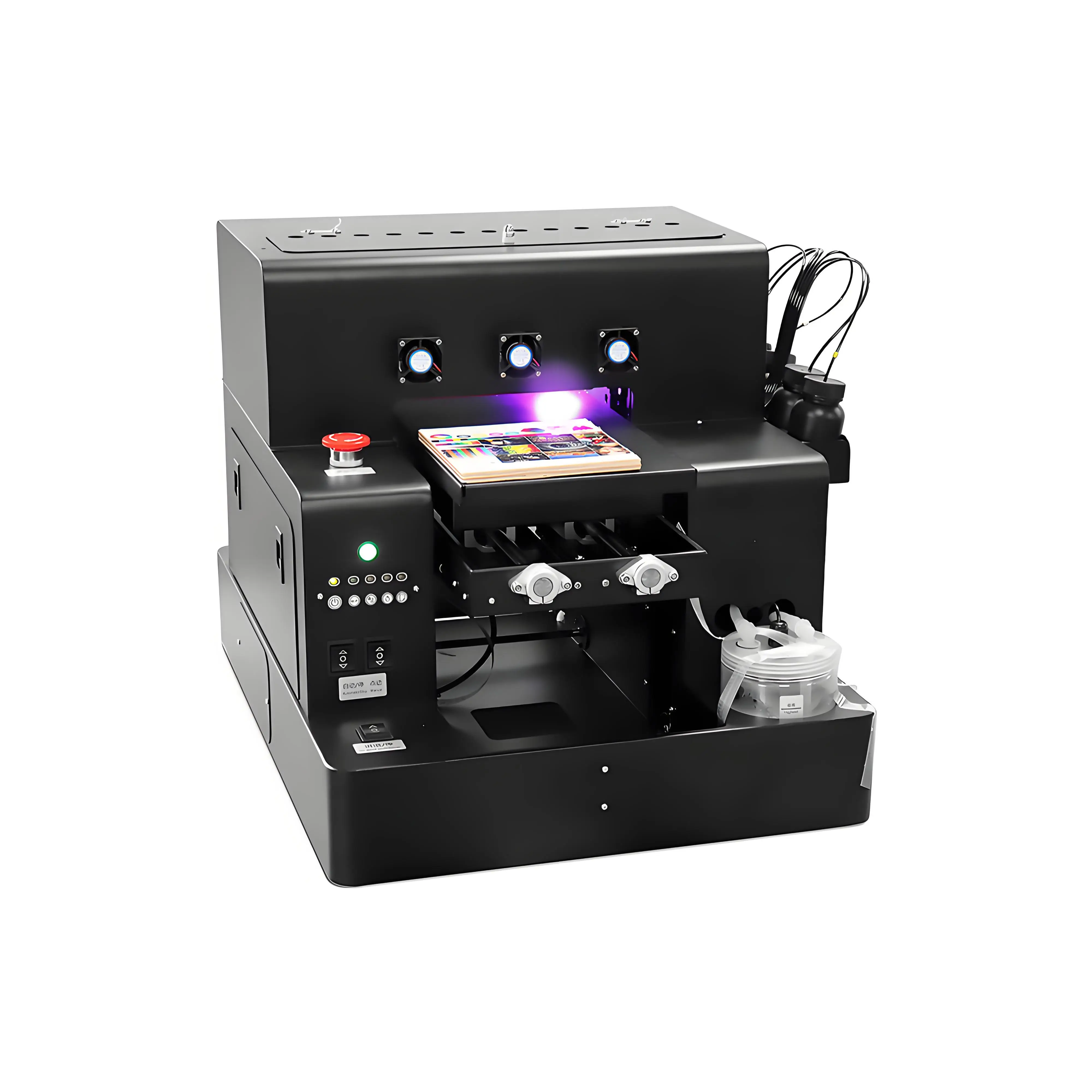
Spot A4 LED UV Printer Cylinder Printing Machine
- Dedicated rotary fixture for seamless 360-degree printing on tumblers and bottles
- High-power 395nm water-cooled UV LED lamp ensures deep through-cure for high adhesion
- 6-channel configuration (CMYK + White + Clear Gloss Varnish) for protective sealing caps
- Active white ink circulation pump prevents heavy titanium dioxide sedimentation clogs
- Infrared height-sensing platform eliminates accidental printhead strikes on curved drinkware
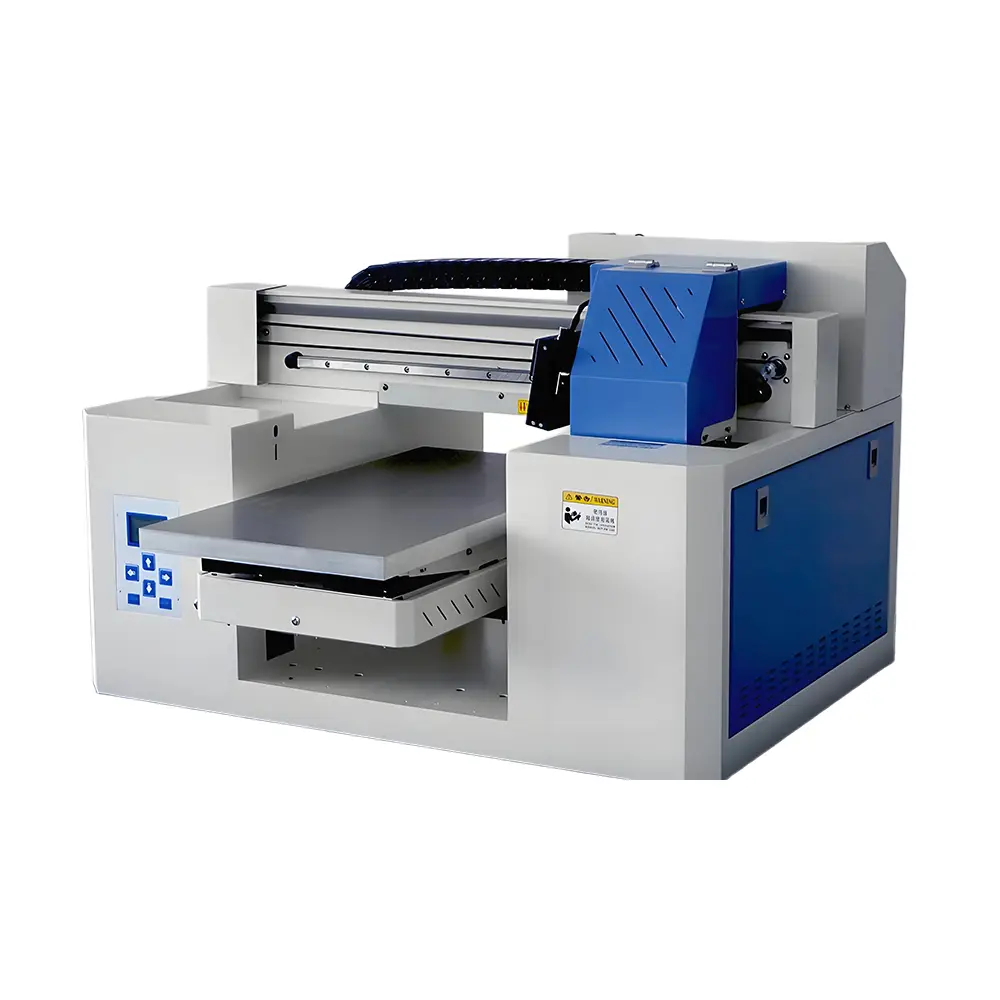
A3 Dual Head UV Printer (Rotary & UV DTF Support)
- Dual Epson printheads print White, CMYK, and Gloss Varnish simultaneously in a single pass
- Direct flatbed + precision rotary cylinder + peel-and-stick UV DTF transfer decal modes
- Heavy-duty vacuum suction bed ensures ultra-flat media stability and razor-sharp drop placement
- 15 cm (6 inch) motorized Z-axis clearance accommodates large vacuum growlers and gift boxes
- Industrial-grade linear guide rails and ball screws provide micron-level pass registration
Frequently Asked Questions (FAQ)
Q1. Is UV printing 100% waterproof?
Yes. Fully cured UV prints are 100% waterproof. The ink undergoes a photochemical cross-linking process under UV LED light that converts liquid monomers into an insoluble solid plastic network. UV prints will not run, bleed, smudge, or dissolve when exposed to rain, ice, sweat, condensation, or direct water submersion.
Q2. How scratch-resistant is UV printing on everyday items?
UV prints typically achieve a 3H to 5H pencil hardness rating under the ASTM D3363 standard. On porous or high-surface-energy substrates like phone cases (TPU/ABS), wood, and leather, the ink keys into microscopic surface pores and easily resists heavy fingernail scratches, car keys, and abrasive pocket friction. It is highly resistant to daily abrasion, though not scratch-proof against hard steel knives.
Q3. Can I put a UV printed tumbler in the dishwasher?
If printed directly onto bare metal or glass without surface preparation, no—the print will likely flake after 3 to 5 washes. However, if the blank was pre-treated with a silane adhesion primer, printed with UV ink, sealed with a clear gloss varnish cap, and cured for 24 hours, it can withstand 50 or more dishwasher cycles on the top rack using mild detergents.
Q4. Why does untreated glass or metal cause UV ink to flake in the dishwasher?
Glass and polished stainless steel have low surface energy and ultra-smooth, non-porous surfaces. Without chemical pretreatment, the cured UV ink forms a physical film resting on the surface. Dishwasher heat (70°C) causes differential thermal expansion between metal and ink, while high-pH alkaline detergents seep into edge micro-fissures and break the weak physical bond.
Q5. What is a silane primer and how does it work?
A silane primer is a bifunctional adhesion promoter. One molecular end forms strong covalent siloxane (Si-O-Si) chemical bonds with the silica or metal oxide molecules of the substrate, while the other end bonds permanently with the acrylic monomers in the UV ink as it cures. This creates a covalent chemical bridge that resists hot water and detergent hydrolysis.
Q6. What is the ASTM D3359 Cross-Hatch Tape Adhesion Test?
It is the industry-standard adhesion test. A cross-hatch cutter slices a grid of 6 or 11 cuts through the ink down to the substrate. Specialized high-tack tape (like 3M 600) is applied and pulled off at a 180-degree angle. If none of the lattice squares flake away, the print receives a Class 5B rating, indicating optimal industrial-grade adhesion.
Q7. Is UV DTF more dishwasher durable than direct UV printing?
UV DTF decals utilize a continuous layer of industrial-grade, water-resistant acrylic pressure-sensitive adhesive (PSA). On cylindrical drinkware, UV DTF transfers often demonstrate outstanding immediate wash resistance because the adhesive conforms tightly to curved contours and seals the graphic edges against water ingress.
Q8. Does adding a Clear Gloss Varnish topcoat improve dishwasher safety?
Yes. A clear gloss or matte varnish topcoat acts as a non-porous protective barrier. It seals the pigmented color ink layer beneath, shields delicate ink edges from pressurized water jet impingement, and prevents alkaline detergent chemistry from saponifying color pigments.
Q9. How should print shops instruct retail customers regarding care?
The best practice advice for retail drinkware customers is: 'Hand Wash Recommended for Maximum Lifespan; Top-Rack Dishwasher Safe with Mild Detergent; Avoid High-Heat Sanitizing Cycles and Abrasive Scrub Pads.' This transparent guidance sets realistic expectations and protects customer trust.
Q10. Why must I wait 24 hours before testing or washing a printed item?
Although UV LED lamps instantly solidify liquid ink into a touch-dry solid, microscopic polymer cross-linking and silane covalent chemical bonding continue at room temperature for 24 to 48 hours. Allowing decorated drinkware to rest for 24 hours before exposure to water ensures the bond achieves its peak mechanical and chemical durability.