The 6 Core UV Printer Trends Driving Business Growth in 2026 (A New Era of Automation and Customization)
Are you struggling to stay ahead in the UV printing game? Wondering what"s next for 2026 and beyond? You"re not alone. The printing industry is evolving fast, and businesses that adapt to the latest trends will stay competitive and grow. Today, I want to share the six core UV printer trends that are shaping the future of manufacturing and design—especially with automation and customization leading the way. Let"s dive into how these trends can help your business thrive.
1. Increased Automation Bringing Efficiency to New Heights
Automation isn"t just a buzzword anymore—it"s the backbone of modern UV printing. In 2026, expect to see more printers equipped with smarter automation features that reduce manual labor. This means faster setup times, fewer errors, and consistent quality.
Many companies are now integrating automated material handling, laser-guided calibration, and real-time monitoring systems. For instance, imagine a shop where a robot loads substrates, initiates printing, and verifies quality without human intervention—that"s the future. It allows for 24/7 production, huge productivity boosts, and lower costs.
???? **Tip:** Look for UV printers with embedded automation features or upgrade your current machines. Investing here can give you a competitive edge in delivery times and quality consistency.
2. Customization Is King in a Personalization-Driven Market
People want unique, personalized products—whether it"s custom packaging, tailored promotional items, or bespoke décor. UV printers are evolving to meet this demand with advanced digital capabilities that handle short runs at a reasonable cost.
In 2026, printers are more capable of producing intricate designs, variable data printing, and on-demand personalization. This trend enables small businesses to offer highly customized solutions without massive upfront investment.
For example, I chatted with a small gift shop owner who started offering personalized phone cases. With a UV printer, they quickly turn around customized designs, and customers love it. It"s all about adding value through customization.
3. Advanced Multi-Substrate Compatibility
Breaking the Boundaries of Old Printing Limits
Traditional printers could handle only specific materials, but today"s UV printers are evolving to print on a vast range of substrates—wood, glass, metal, plastic, leather, and even textiles. This is a game-changer for manufacturers and artists alike.
Future printers incorporate more versatile printing techniques, such as multi-layer printing and textured effects, opening up new creative and business possibilities. If you"re looking to diversify your product portfolio, this trend is your friend.
Example? A furniture maker I know started adding custom glass etching onto their tables seamlessly, expanding their product offerings without investing in multiple machines.
4. Integration of AI and Machine Learning for Quality Control
Artificial intelligence (AI) is making its mark in UV printing. AI-powered systems monitor print quality in real time, detect defects, and even adjust printing parameters automatically. This means fewer rejected products and higher precision.
In 2026, we"ll see more printers equipped with smart sensors that learn over time, optimizing output with minimal human input. This makes your production more reliable and scalable.
Think about a scenario where you"re running a batch of complex graphics on a large panel—AI detects inconsistencies instantaneously and corrects them. Less waste, faster turnaround. Pretty cool, right?
5. Eco-Friendly and Sustainable Printing Solutions
Meeting the Green Demand
Environmental concerns are influencing all industries, and UV printing is no exception. Future printers will incorporate more eco-friendly inks, energy-efficient LED UV lamps, and sustainable materials.
Businesses adopting these solutions can appeal to eco-conscious clients and reduce their carbon footprint. Many UV printers now promote low VOC emissions and recyclable substrates as part of their value proposition.
For instance, one client switched to a minimal waste, low-energy UV system and found new clients specifically seeking green printing options. Sustainability isn"t just a trend; it"s becoming a requirement.
6. Powerful Software and Interoperability Enhance Workflow
Smart software systems are critical for maximizing the potential of UV printers. In 2026, expect to see more integrated platforms that effortlessly connect with design software, inventory systems, and e-commerce platforms.
Features like cloud-based management, real-time job tracking, and advanced color management make workflows smoother and faster. This also means easier collaboration, remote monitoring, and quicker iterations.
Imagine sending a print job from your tablet while on the go, with instant status updates—efficient and effortless. Companies that adopt these integrated systems will see a significant boost in productivity.
Ready To Take Your UV Printing to the Next Level?
These six core UV printer trends show no signs of slowing down. Automation and customization are the front-runners, transforming how we produce, personalize, and deliver printed goods. If you"re serious about growth in 2026, investing in these technologies is a smart move.
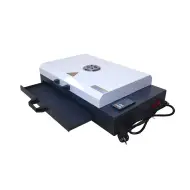
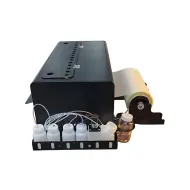
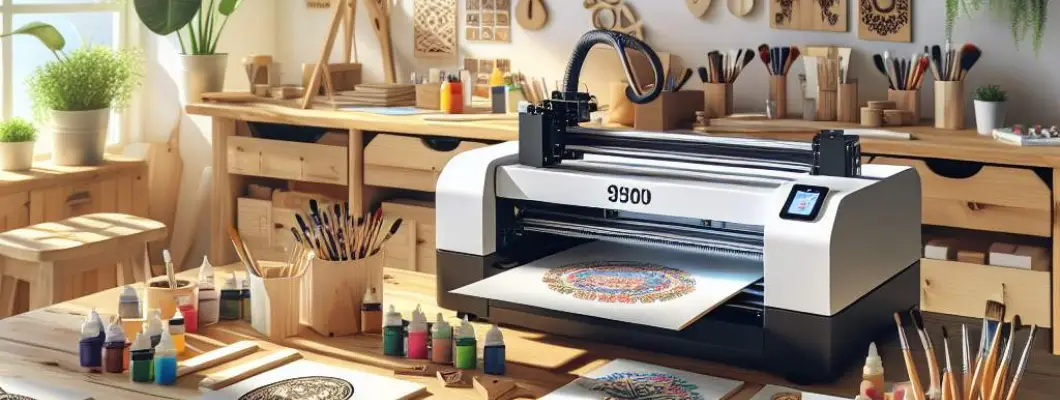
Want to see a machine in action? Check out this innovative UV printing machine that highlights many of these features.
Staying ahead means embracing change and upgrading your equipment. The world of UV printing is evolving fast, and your business should too.
FAQs to Keep You Moving Forward
- What is the most important UV printer trend for small businesses? Automation combined with customization capabilities offers significant advantages for small-scale operations.
- How does AI improve UV printing quality? AI monitors real-time output, detects errors, and automatically adjusts parameters, reducing waste and increasing consistency.
- Can UV printers print on flexible materials like textiles? Yes, advanced UV printers now handle various substrates, including textiles, rubber, and leather.
- Are eco-friendly UV printing solutions widely available? More manufacturers are offering low-VOC inks, energy-efficient LED UV lamps, and recyclable substrates, making sustainable printing accessible.
- What should I consider before upgrading to a new UV printer? Look at automation features, substrate compatibility, software integration, and eco-friendly options aligned with your business goals.
Keeping an eye on these trends will help you stay competitive and seize new opportunities in the UV printing industry. Don"t get left behind—embrace these innovations and watch your business grow in 2026 and beyond.