What Modern Businesses Expect from a Card Printer in Terms of Speed and Quality
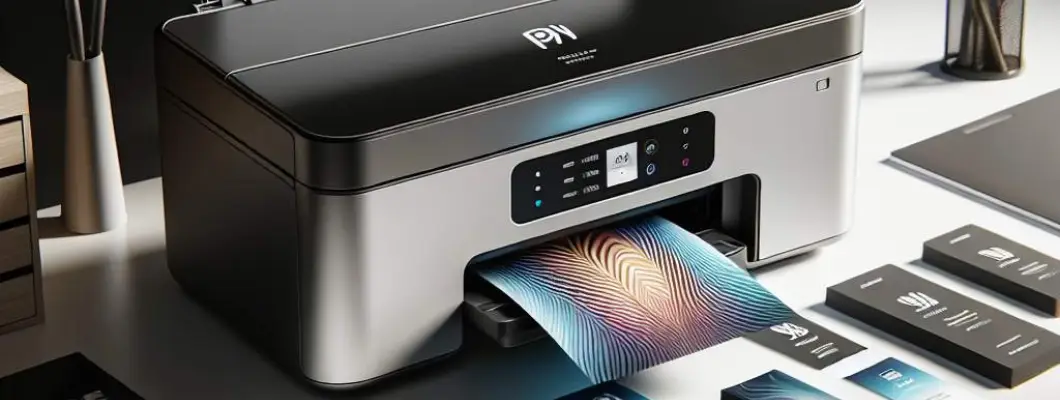
Struggling to meet your business's printing demands? Wondering what a modern card printer should offer? You're not alone. Today, speed and quality are no longer optional—they're expected. But how do you know if a card printer can keep up with your needs? Let"s dive into what modern businesses truly expect from a card printer in terms of speed and quality.
Why Speed Matters in Business Card Printing
Fast Turnaround for Satisfied Clients
In today"s fast-paced world, waiting days for printed cards isn"t an option. Whether it"s ID badges, membership cards, or promotional items, your clients expect quick delivery. A high-speed card printer helps you meet tight deadlines and keeps your workflow smooth. Imagine chatting with a friend who runs a busy event company—she swears by printers that can produce hundreds of cards in minutes. This allows her to serve clients on the same day, boosting her reputation.Efficiency to Scale Your Business
If your business is growing, your printer"s speed directly impacts your capacity. Slow printers mean bottlenecks, longer lead times, and unhappy customers. Modern card printers should easily handle large batches without compromise. Look for printers with advanced printing engines capable of full-color, single-pass printing—saving time and reducing operational costs. This kind of efficiency is a game-changer for expanding businesses.What Does Quality Really Mean in Card Printing?
Sharp, Vivid Colors That Last
Beyond just speed, quality is crucial. Customers and clients want cards that look professional and stand the test of time. High-resolution printing ensures your graphics are crisp, colors are vibrant, and text is clear. This is especially important if you"re printing IDs or membership cards where security features and branding matter. Think of your card as a mini billboard—poor quality quickly damages your brand image.Durability and Material Compatibility
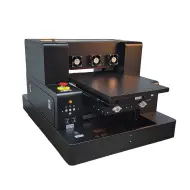
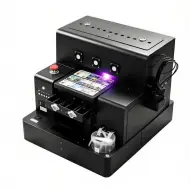
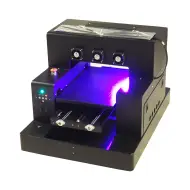
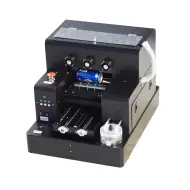
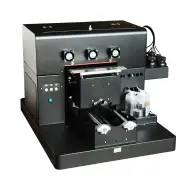
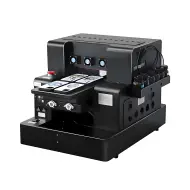
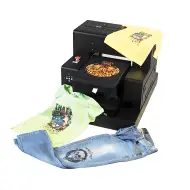
A top-tier card printer should produce cards that are scratch-resistant, water-proof, and suitable for various materials like PVC, PET, or composite cards. This ensures your cards are not only attractive but also durable enough to handle daily wear and tear. Combine that with cutting-edge printing technology, such as UV coating or lamination, and you'll have a product that maintains its appeal over time. Discover more about professional finishes at this UV coating printer.Key Features Modern Card Printers Must Have
High-Quality Print Engines
Look for printers with **thermal transfer or dye-sublimation technology**. These provide rich color reproduction and sharp images. They also ensure consistency across batches, which keeps your quality uniform.Fast Processing Speed
- Print speeds of at least **200 cards per hour** in color are ideal.- Support for **batch printing** without sacrificing quality.- **Single-pass printing** that applies color, text, and security features simultaneously.Ease of Use and Integration
Intuitive interfaces, touchscreen controls, and compatibility with your existing software streamline operations. Also, consider printers that support easy refill of consumables and minimal downtime.Security and Security Features
Modern business cards often include security elements like holograms, UV features, or micro-text. A good printer should support embedding these features seamlessly during printing, helping prevent counterfeiting or misuse.How Choosing the Right Card Printer Boosts Business
Getting the speed and quality right isn"t just about looks—it's a strategic move. Faster printers handle larger projects, reducing turnaround time. High-quality output enhances your brand"s professionalism, trustworthiness, and customer satisfaction. For example, imagine handing out RFID-enabled ID cards that are bright, durable, and secure—your clients will notice the difference immediately. It"s all about delivering excellence every time.FAQs About Modern Card Printers
1. How fast should a good card printer be for a small business?
Look for printers that can produce around 150–200 cards per hour for small- to mid-sized needs. Faster speeds become essential as you scale or handle larger events.
2. What"s the best technology for high-quality card printing?
Thermal transfer and dye-sublimation technologies are the most popular for vibrant, durable results. They provide crisp images and consistent colors.
3. Can I print security features like holograms or UV elements with modern printers?
Yes, many advanced printers now support embedding security features, making your cards hard to counterfeit. This is especially key for IDs and membership cards.
4. How important is UV coating or lamination in card printing?
Extremely important. UV coating and lamination improve scratch resistance, water-proofing, and overall durability. They also enhance the visual appeal of your cards.
5. Are there printers suitable for small-volume, high-quality custom work?
Absolutely. Compact, easy-to-use printers are perfect for custom projects, specialty cards, or small batches without sacrificing quality or speed.
Advanced Technical Insights & Application Analysis
Modern card printing technologies have reached a point where precision and scalability are not merely desirable but necessary. Among the most pivotal innovations is the integration of UV curing systems. This technology ensures that card surfaces achieve maximum ink adhesion while enhancing durability. The UV curing process works by instantly solidifying specially formulated inks, which not only prevents smudging but also extends the card’s lifespan even under adverse environmental conditions. Manufacturers like GNFEI specialize in creating card printing solutions that balance speed, quality, and cost-efficiency, making these systems ideal for high-volume commercial environments.
For businesses operating on a B2B model, one of the most critical metrics to consider is ROI (Return on Investment). High-speed card printers with batch processing capabilities can significantly reduce per-unit production costs. For example, a card printing factory manufacturer leveraging automated feeding systems and thermal transfer technologies can streamline operations while maintaining consistent output quality. Additionally, features like multi-layer security integration during single-pass printing directly minimize labor-intensive post-processing, resulting in improved operational efficiency and maximizing profitability.
Durability also remains a non-negotiable factor in professional printing environments. Advanced materials compatibility, such as support for PVC and PET substrates, ensures that the printers meet diverse customer requirements. Coupled with scalable software integration options, these systems enable seamless workflow optimization, making them a cornerstone for modern card printing enterprises.
Frequently Asked Questions
- What is the key advantage of UV curing in card printing?
- How can a card printing factory manufacturer reduce operational costs?
- Is thermal transfer technology suitable for large-scale production?
UV curing significantly improves ink adhesion and ensures instant drying, leading to smudge-free and durable results on various card surfaces.
By investing in high-speed printers equipped with automated feeding, single-pass printing, and advanced ink technologies, manufacturers can cut down wastage and labor costs while increasing throughput.
Yes, thermal transfer technology provides a balance of speed and quality, making it ideal for high-volume operations that demand consistency and precise detailing.